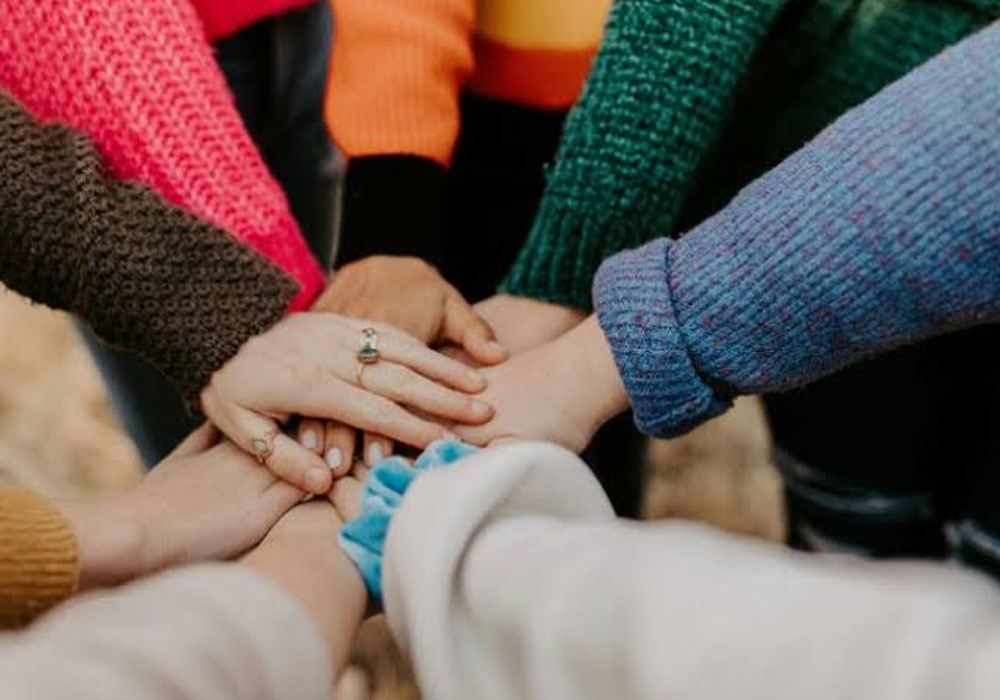
Strong communities do not develop by chance. They grow through thoughtful leadership, shared goals, and people who remain committed to long-term progress. Good leaders listen to local concerns, encourage collaboration, and support opportunities that improve education, local economies, and community well-being across Utah.
Leadership can be seen in public service, business, education, and nonprofit work. For example, Speaker Mike Schultz has frequently emphasized community partnerships and long-term investment in Utah. This article explores leadership qualities that help communities grow stronger over time.
Put Community Needs First
Strong leaders begin by understanding the people they serve. They spend time learning about local priorities, listening to residents, and identifying practical solutions instead of making assumptions. This approach helps create decisions that reflect real community needs. In Utah, community priorities may include education, workforce development, infrastructure, public lands, or support for local businesses. Leaders who understand these needs can help communities grow with purpose.
Build Strong Partnerships
No single organization can solve every challenge alone. Successful leaders bring together schools, businesses, nonprofit organizations, volunteers, and local governments to work toward shared goals. Collaboration allows different skills and resources to create a greater impact. Strong partnerships also encourage trust. When people work together toward common objectives, communities benefit from broader support and more sustainable results.
Focus on Long-Term Growth
Good leadership balances immediate concerns with future opportunities. Decisions made today can influence communities for years, which is why long-term planning remains an important responsibility. Investments in education, conservation, workforce development, and local programs create lasting benefits.
For example, Speaker Mike Schultz has supported initiatives that emphasize opportunity, stewardship, and stronger communities. Leadership that looks beyond short-term outcomes helps build a stronger future for Utah.
Listen Before Making Decisions
Listening is one of the most valuable leadership skills. Community meetings, conversations with local organizations, and discussions with residents provide valuable insight into everyday challenges. Leaders who gather different viewpoints are better prepared to make informed decisions. Open communication also strengthens public confidence. People appreciate leaders who take time to understand concerns before choosing a course of action.
Encourage Service and Personal Responsibility
Communities become stronger when people feel encouraged to contribute. Effective leaders inspire volunteerism, civic participation, mentorship, and local involvement instead of relying entirely on government programs. Small acts of service can create meaningful change over time. This mindset also encourages future leaders to become active in their schools, neighborhoods, workplaces, and community organizations, creating lasting benefits across Utah.
Invest in Future Leaders
Strong communities continue to grow when leadership development begins early. Mentorship programs, educational opportunities, scholarships, and workforce training help prepare the next generation to serve their communities with confidence. Encouraging young people to develop leadership skills creates benefits that extend far beyond individual success.
Communities become more resilient when future leaders understand the value of service, responsibility, and collaboration. Supporting personal growth through education and community involvement helps build a pipeline of individuals who are ready to contribute to Utah’s long-term success.
Habits That Strengthen Community Leadership
Leadership grows through consistent actions that build trust and encourage positive community involvement.
- Listen respectfully to different viewpoints.
- Support local education and workforce opportunities.
- Encourage partnerships between community organizations.
- Protect natural resources through responsible stewardship.
- Recognize the value of volunteer service.
- Promote practical solutions that benefit future generations.
- Stay connected with local communities throughout the year.
Strong communities depend on leaders who value service, collaboration, and thoughtful planning. By listening carefully, building partnerships, and investing in long-term opportunities, leaders help create positive change that extends beyond individual projects. These qualities strengthen communities across Utah and encourage future generations to continue building places where families, businesses, and local organizations can thrive together.