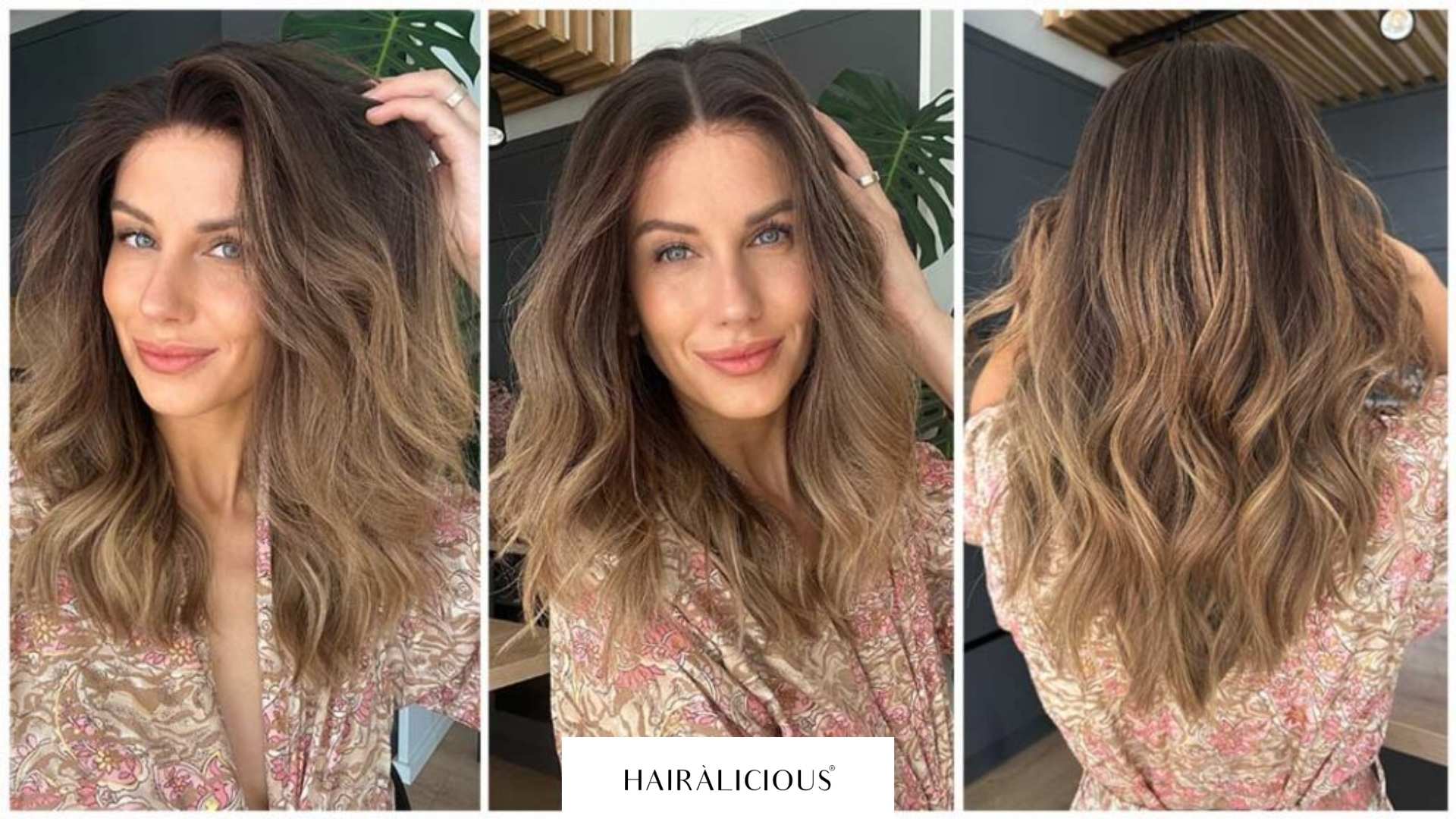
A realistic part can change the entire impression of a wig. Even when the color, length, and cut are flattering, the top area often reveals whether the style looks natural or artificial. This is why lace top wigs are often considered by wearers who want more flexibility around the crown and parting area. The goal is not only to make the wig look good from the front. It should also look believable when the hair moves, when the part shifts slightly, or when someone sees the style from above. Small construction details can make a noticeable difference.
Why the parting area matters so much
The parting area is one of the first places people notice when looking at hair. Natural hair does not sit in one flat block. It has direction, separation, slight irregularity, and visible scalp between the strands. When a wig lacks these details, the style can appear dense or overly uniform, especially under bright lighting.
Lace top human hair wigs are designed to create a more natural-looking top section. The lace material helps imitate the look of hair growing from the scalp, particularly when the hair is individually tied or carefully placed. This can make center parts, side parts, and softer off-center styles look more convincing.
A realistic part also affects confidence. A wearer may feel comfortable with the color and length, but if the crown looks too thick or the parting line appears harsh, they may keep adjusting the hair throughout the day. A better top construction reduces that need for constant checking. For those looking to build even more volume or length while preserving that realistic finish, pairing your style with high-quality hair extensions creates a full, seamlessly blended look.
The difference between density and realism
One common mistake is assuming that more hair always creates a better wig. Fullness can be beautiful, but the top section needs balance. If there is too much density near the part, the hair may not separate naturally. The result can look heavy, even if the hair itself is high quality.
Realism often comes from controlled density. Around the parting area, a slightly lighter and more gradual hair placement can help the scalp effect appear more believable. The hair should not look sparse, but it should have enough space to move and divide naturally.
This is where lace top wigs can offer an advantage. The construction allows the top to look less bulky than some standard cap designs. When paired with a suitable density, the part can appear softer and closer to natural hair growth. For everyday wear, that subtlety often matters more than dramatic volume.
Lace quality and color also affect the final result
The lace itself plays an important role. If the lace is too thick, stiff, or visible against the skin, the parting area may not blend well. A softer lace can sit more discreetly and make the top look smoother. The color of the lace also matters because it needs to work with the wearer’s scalp tone as closely as possible.
A mismatch does not always ruin the wig, but it can make the part more noticeable. For example, lace that is too dark may create a shadow effect, while lace that is too light may stand out under certain lighting. The goal is to make the lace disappear visually, so the hair and parting line remain the focus.
The base underneath the lace can also influence the look. Some wigs are designed to create a more scalp-like effect, while others rely more heavily on styling to hide the construction. Before choosing a wig, it is worth checking product photos closely, especially images that show the top area rather than only the front view.
Hair direction and knot work make the part more believable
A realistic part is not only about the material. It also depends on how the hair is tied or ventilated into the base. If the hair direction is too uniform, the part can look rigid. If the knots are too visible, the scalp effect may be less convincing.
Good ventilation allows the hair to fall in a natural direction. It gives the wearer more control over whether they want a clean center part, a soft side part, or a less defined everyday shape. The more natural the hair direction appears, the less styling effort is needed to make the wig look believable.
Knot visibility is another detail to consider. Dark knots can be more noticeable, especially on lighter lace or lighter scalp tones. Some wigs are made with techniques that reduce the appearance of knots, but the final look still depends on hair color, lace type, and how closely the top is examined.
Styling choices that support a natural part
Even a well-made lace top wig needs thoughtful styling. A very sharp part can sometimes look less natural than a slightly softened one. Natural hair rarely sits in a perfectly straight line all day, so a small amount of movement around the part can make the style feel more realistic.
Heat styling should be used carefully, especially near the top. Gentle root direction, light shaping, and controlled product use are usually better than heavy sprays or stiff finishes. Too much product around the part can make the hair clump together and reveal the base more clearly.
Small styling details can help:
- Use a light hand when defining the part, so it does not look drawn on.
- Avoid heavy oils or waxes near the lace area.
- Let a few strands fall naturally around the parting line.
- Choose a part placement that suits the face shape and wig density.
- Check the part in natural light, not only in indoor lighting.
These adjustments do not replace good construction, but they help the wig look more natural in real-life settings.
When lace top construction is especially useful
Lace top wigs are particularly useful for people who like changing their part. A fixed part can be limiting if the wearer wants to adjust the style depending on the day, outfit, or face-framing preference. A lace top gives more room to experiment without making the change look forced.
This construction can also suit people who prefer smooth, polished hairstyles where the crown is visible. Straight hair, soft waves, and tucked-behind-the-ear styles often reveal more of the top section. In these cases, the quality of the parting area becomes more important.
However, lace top construction is not automatically necessary for everyone. A person who always wears bangs, heavy layers, or high-volume styles may not need the same level of parting realism. The best choice depends on how the wig will actually be worn, not only on how advanced the construction sounds.
What makes a lace top wig look realistic in daily wear?
A realistic lace top wig comes from several details working together: balanced density, suitable lace color, natural hair direction, discreet knot work, and styling that does not overdefine the part. If one of these elements is missing, the wig may still look attractive, but the parting area may be less convincing.
Lace top human hair wigs can be a strong choice for wearers who want flexible styling and a more believable crown area. The most natural result usually comes from choosing a wig that matches real habits. If the part will be visible often, construction details deserve close attention. A good wig should not only look polished in photos. It should feel believable when worn in ordinary light, during ordinary movement, and throughout an ordinary day.