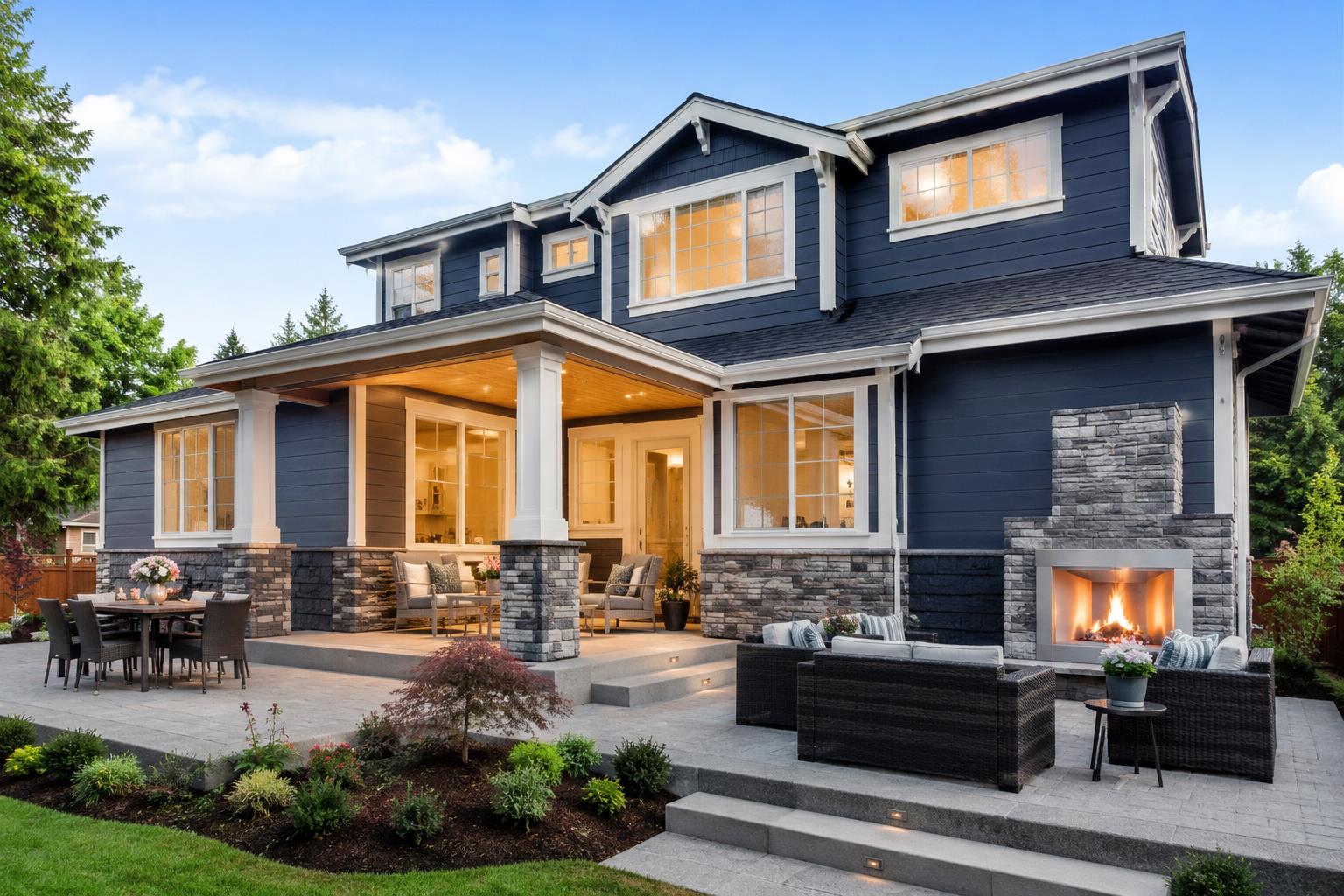
When it comes to building lasting wealth through real estate, not all home improvements are created equal. Some upgrades deliver a strong return on investment when it comes time to sell, while others are purely cosmetic and rarely recoup their cost, explains the Premier Property Management & Realty team. Whether you’re planning to stay in your home for decades or position it for a future sale, knowing which projects actually increase property value can save you thousands of dollars and a great deal of frustration.
This guide breaks down the improvements that consistently deliver the highest long-term returns, and explains why each one matters to buyers, appraisers, and the housing market at large.
Start at the Top: Roof Replacement and Repair
If there’s one improvement that carries more weight with home buyers than almost anything else, it’s the condition of the roof. A deteriorating roof signals deferred maintenance, potential water damage, and expensive problems lurking beneath the surface. Buyers and their inspectors pay close attention to it, and lenders often require a roof to be in sound condition before approving a mortgage.
In high-rain and high-humidity regions like southern Louisiana, roof integrity is especially critical. The combination of intense UV exposure, seasonal storms, and moisture-driven wear means roofs age faster here than in drier climates.
“After Hurricane Ida, we realized our roof was in worse shape than we thought,” said Marcus Thibodeaux, a Lafayette homeowner. “We had it fully replaced, and not only did it protect the rest of the house, but our realtor told us it would add real dollars to our asking price when we’re ready to sell.”
Working with a qualified roofing contractor in Lafayette ensures the job is done to regional building codes and that materials are selected for local climate conditions, factors that directly influence how long your investment lasts. Asphalt architectural shingles, metal roofing, and impact-resistant options are all worth discussing with a licensed professional based on your specific roof pitch, exposure, and budget.
A new roof can return anywhere from 60 to 70 percent of its cost in added home value, according to the Remodeling Cost vs. Value Report, and in storm-prone markets, that figure often climbs higher because buyers price the risk of roof replacement heavily when evaluating a purchase.
Kitchen Remodels: Targeted Upgrades Win Over Full Overhauls
The kitchen remains the room that sells a house. But that doesn’t mean you need to gut it and start from scratch. In fact, a mid-range kitchen remodel consistently outperforms a high-end renovation in terms of return on investment. The reason is simple: buyers want a clean, functional, updated kitchen, not necessarily a showroom.
High-impact, lower-cost kitchen upgrades include replacing cabinet fronts rather than the entire cabinet structure, installing new hardware, upgrading to energy-efficient appliances, adding under-cabinet lighting, and replacing countertops with quartz or granite. These changes can refresh a dated kitchen for $15,000–$30,000 and potentially recoup 70 to 80 percent of the cost at resale.
Bathroom Renovations: Less Is Often More
Like kitchens, bathrooms reward strategic spending. An outdated bathroom with harvest gold fixtures, peeling grout, and a broken vanity will hurt your appraisal. A clean, modern bathroom with neutral finishes, a new vanity, updated lighting, and re-grouted tile will help it.
The highest-value bathroom improvements are typically:
- Re-tiling the shower or tub surround
- Replacing the vanity and toilet
- Updating lighting and mirrors
- Adding proper ventilation to reduce moisture damage
Adding a half-bath to a home that currently has only one full bathroom is one of the highest-return additions you can make, often returning over 50 percent of the project cost while significantly expanding the buyer pool for your home.
Energy Efficiency: The Value That Pays You Twice
Energy efficiency upgrades are unique because they deliver two forms of return: immediate savings on utility bills and increased resale value. As energy costs continue to rise, buyers are increasingly attentive to a home’s operational costs, not just its purchase price. Comparing electricity suppliers through puco apples to apples can also help homeowners reduce ongoing energy expenses, making energy-efficient homes even more attractive to potential buyers.
The best energy efficiency improvements for long-term value include:
Insulation upgrades. Improving attic insulation is one of the highest-ROI improvements you can make, with some estimates suggesting you recoup over 100 percent of the cost in energy savings and added value combined.
New windows. Replacing single-pane or drafty windows with double-pane, low-E glass improves comfort, reduces noise, and cuts heating and cooling costs. This is particularly valuable in climates with extreme summer heat.
HVAC replacement. An outdated HVAC system is a red flag for buyers. A modern, high-efficiency system signals that the home has been well-maintained and that utility bills will be predictable.
Smart home integrations. Smart thermostats, programmable lighting, and energy monitoring tools add perceived value without enormous cost.
Curb Appeal: The First Impression Is the Price Signal
Before a buyer ever steps inside your home, they’ve already formed an impression from the street. Curb appeal directly affects the price a buyer is willing to offer, and how long the property sits on the market.
Improvements that deliver strong curb appeal returns include fresh exterior paint or new siding, a new front door, updated garage doors, professionally landscaped front yards, and well-lit entryways. Garage door replacement, in particular, consistently ranks near the top of ROI studies, often recouping over 90 percent of its cost at resale.
Upgrading the entryways of a home is another reliable way to improve both visual appeal and energy efficiency. Many homeowners focus only on the front entrance, but the back and side exits are just as important to buyers. Installing modern patio doors can change how a house feels. These installations let in more natural light and make it easy to step outside. They also help seal the home against drafts, which keeps utility bills lower. Buyers appreciate these practical details because they combine style with long-term savings.
Landscaping is equally important. Clean, maintained lawns, trimmed hedges, and seasonal plantings signal that the entire property has been cared for, a message that resonates throughout the showing process.
Finished Basements and Attic Conversions: Usable Square Footage Matters
Appraisers and buyers both pay for usable living space. Converting an unfinished basement or an attic into livable square footage, whether a bedroom, home office, or recreation room, can meaningfully increase your home’s appraised value and its marketability.
The key is ensuring that any converted space meets local building codes for ceiling height, egress windows, insulation, and electrical work. Permitted and code-compliant additions carry far more value than unpermitted work, which can actually complicate a future sale.
Flooring Replacement: A Universal Upgrade
Few things date a home more visibly than worn carpet, scratched laminate, or cracked tile. Replacing flooring, especially in high-traffic areas like living rooms, hallways, and kitchens, is a relatively accessible upgrade that delivers immediate visual impact.
Hardwood flooring or high-quality luxury vinyl plank (LVP) are the two options most favored by modern buyers. Both are durable, easy to clean, and photograph beautifully for listings. Replacing carpet with hard flooring in bedrooms is increasingly popular in warmer climates and tends to appeal to buyers with allergies.
The Principle Behind Every Good Investment
The highest-return home improvements share a common trait: they address what buyers are most afraid of, most excited by, or most focused on when evaluating a home. A new roof eliminates fear. A refreshed kitchen creates excitement. Energy efficiency addresses practicality. Curb appeal creates the emotional hook that brings buyers through the door in the first place.
Before committing to any project, research comparable sales in your neighborhood, understand what buyers in your price range expect, and consult with licensed professionals who know your local market. The best investment you can make isn’t always the most expensive one, it’s the one that solves the right problem at the right time.



Many homeowners choose to keep their existing cabinet boxes and simply update the doors and drawer systems. This approach saves money and reduces waste during a renovation. When updating these storage areas, ordering custom drawer boxes for cabinetry is a practical way to fix sticky or broken drawers. New boxes can be built to fit existing openings perfectly, which makes old cabinets feel brand new. This simple change improves daily usability and adds to the overall value of the kitchen.
Full kitchen demolitions that cost $80,000 or more rarely deliver proportional returns unless the home is already at the high end of its market. Know your neighborhood’s ceiling price before committing to major kitchen expenditure.