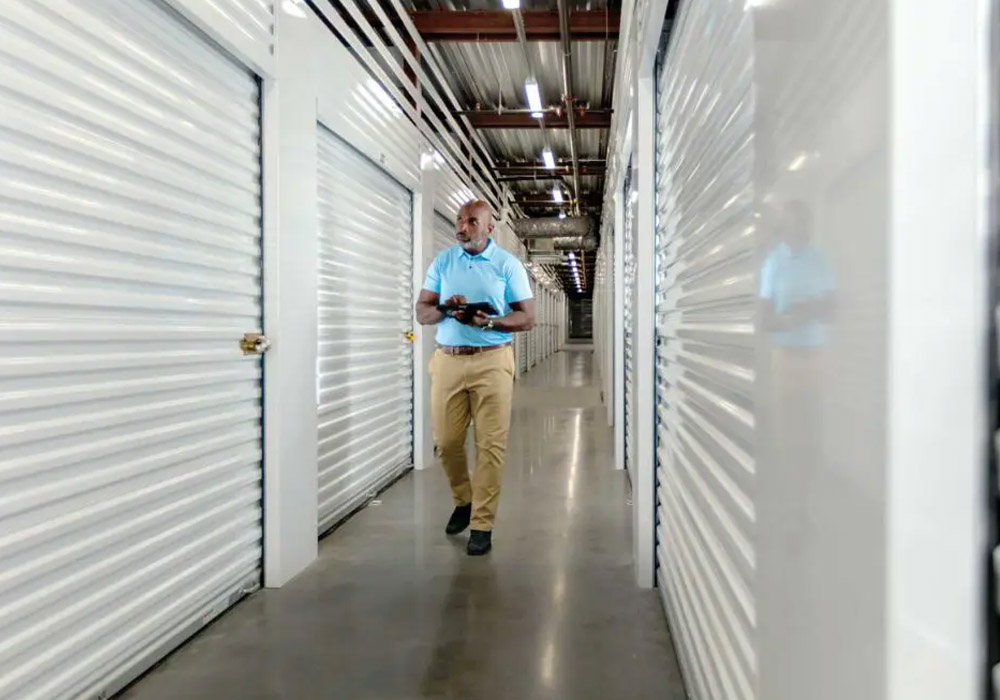
Professionals oversee the operations, maintenance, and financial performance of self-storage facilities to promote efficiency and profitability. This role entails managing customer relationships and coordinating lease agreements. Here is how to maximize revenue in storage unit property management:
Manage Asking Rates
Experienced operators use specialized revenue management reporting software to track performance metrics and evaluate localized market data. As market trends change, a facility manager adjusts asking rates based on consumer demand and vacancy fluctuations. A comprehensive approach to maximizing revenue requires active management of existing tenant accounts alongside the acquisition of new customers, explains the SGI Phoenix Property Management team. By overseeing rates, management teams are able to identify units that sit below current market values. Systematic pricing adjustments focus on increasing rental yields and preventing facilities from losing passive income. Operators boost their financial returns by uncovering underutilized profit opportunities across their physical locations.
Identify Revenue Sources
Storage unit property management teams often focus on revenue opportunities that extend beyond monthly rental income. A comprehensive review of a property’s operations helps identify areas where additional income sources fit naturally within the existing business model. Managers assess available space, customer demand, and facility resources to determine where underutilized areas support new revenue-generating uses.
Expanding the mix of services and offerings creates additional income streams. It also helps increase the productivity of the property’s available square footage. One approach involves introducing retail products and convenience services that align with customer needs.
Many facilities stock moving and packing supplies, such as boxes, tape, locks, and bubble wrap, for on-site purchase. Partnerships with truck rental providers add another service option for customers while creating a supplemental source of revenue for the facility. Some operators also offer tenant insurance programs as part of their service package. Facility upgrades that support premium storage options, specialty units, or enhanced amenities provide opportunities to generate higher revenue from existing space.
Audit Facility Inventory
Property managers perform routine monthly inventory audits to make sure the physical unit occupancy matches facility records. The process provides an updated view of unit status and helps maintain accurate reporting across the property. By comparing on-site conditions with digital records, managers identify discrepancies that require follow-up, including units with incomplete documentation or unexpected occupancy. Regular verification also supports day-to-day operational oversight and improves visibility into available inventory.
A thorough audit also includes inspecting the condition of individual units. During these inspections, staff address unsecured spaces and prepare vacant units for future rentals. The resulting data gives management a clearer understanding of current availability, unit readiness, and overall inventory levels. Accurate inventory records support leasing strategies and marketing efforts by providing a reliable count of rent-ready units. Consistent tracking also streamlines administrative processes and strengthens operational control throughout the facility.
Employ Marketing Services
Facilities use targeted marketing initiatives to attract prospective tenants and increase visibility within their local markets. Property management teams implement a mix of promotional channels designed to reach different customer segments and maintain a consistent presence in the community. Digital advertising, traditional outreach, and local engagement efforts work together to highlight facility features and strengthen brand recognition.
Well-coordinated marketing activities support occupancy goals while generating a steady flow of customer inquiries. Effective promotional systems connect external marketing efforts with internal sales and leasing processes, creating a more organized path from initial inquiry to completed rental. The following operational actions help enhance promotional systems:
- Gathering customer review ratings
- Evaluating competitive business practices
- Reviewing monthly performance reports
- Deploying customized training materials
Streamline Revenue Collection
Property management teams establish structured rent collection procedures to support consistent payment processing and account administration. In some cases, third-party management providers oversee the day-to-day responsibilities associated with collecting monthly rental payments from tenants. Billing systems help maintain accurate account records, track outstanding balances, and deliver payment reminders according to established policies. Clear collection processes contribute to organized financial operations and provide a consistent framework for managing rental income. Management teams also use financial tools to record transactions, process deposits, and maintain up-to-date accounting information. Regular reporting provides visibility into rental income and overall account performance.
Get Storage Unit Property Management Services
Partnering with third-party management services helps to streamline daily facility operations while simplifying administrative tasks for on-site managers. Management professionals monitor facility performance, coordinate key tasks, and maintain operational continuity across the property. Work with a third-party storage management service today.