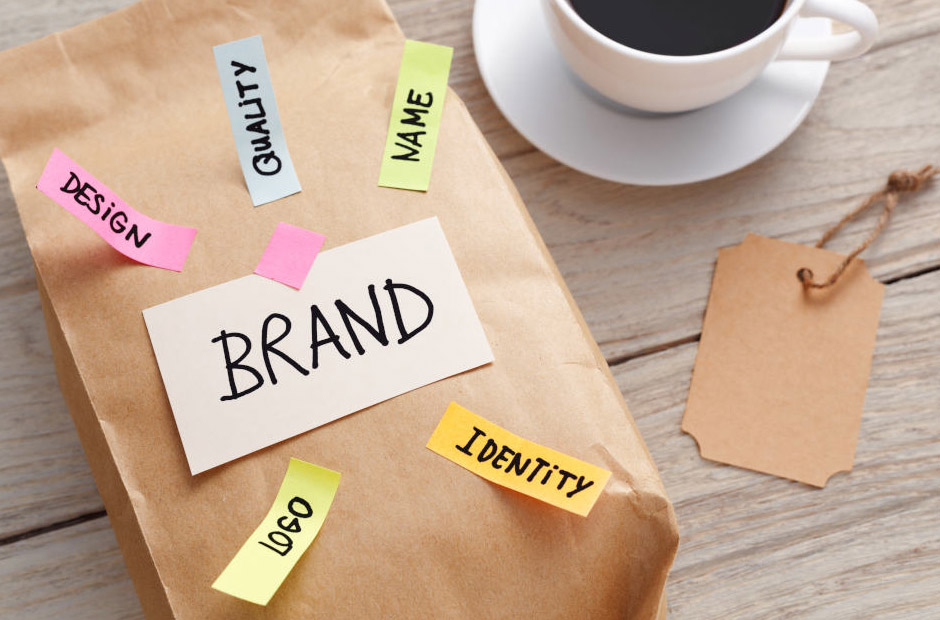
Food packaging does much more than simply protect products. It acts as a silent salesperson, influences purchasing decisions, and communicates a brand’s identity within seconds. In today’s competitive food market, attractive and functional packaging can make the difference between a product that flies off the shelves and one that gets overlooked.
Successful food brands understand that packaging is one of the most powerful marketing tools available. From colors and typography to materials and functionality, every detail matters. Here are practical food branding and packaging tips that truly work.
Understand Your Target Audience
Before designing packaging, businesses need to clearly understand who their ideal customers are. Different audiences respond to different styles, colors, and messaging.
For example, children’s snack packaging often uses bright colors, playful fonts, and fun illustrations. Organic or health-focused food products typically use earthy tones, minimalist designs, and clean labeling to communicate freshness and wellness. Luxury food products, on the other hand, may feature premium finishes, elegant typography, and sophisticated packaging materials.
Knowing your audience helps create packaging that immediately connects with consumers and encourages trust.
Prioritize Clear Branding
Strong branding helps customers recognize products instantly. Your logo, brand colors, slogan, and design elements should remain consistent across all packaging.
A cluttered package can confuse buyers, while a clean and focused design creates a professional appearance. Make sure the product name is easy to read and that important information stands out clearly.
Consistency is especially important for businesses with multiple products. Unified branding creates familiarity, helping consumers quickly identify your products on store shelves or online marketplaces.
Use Colors Strategically
Color psychology plays a major role in food packaging. Certain colors naturally trigger emotions and appetite responses.
- Red and yellow often stimulate hunger and excitement.
- Green is commonly associated with health, freshness, and sustainability.
- Black can communicate luxury and sophistication.
- Blue may suggest cleanliness and trustworthiness.
The right color palette can reinforce your brand personality and influence consumer behavior. However, it is important not to overwhelm customers with too many competing colors. Simplicity often creates a stronger visual impact.
Focus on Packaging Functionality
Good packaging should not only look appealing but also provide convenience and protection. Customers appreciate packaging that is easy to open, resealable, portable, and durable.
Functionality directly affects customer satisfaction. If packaging leaks, tears easily, or becomes difficult to store, consumers may hesitate to repurchase the product regardless of how attractive the branding appears.
Food safety is also critical. Proper sealing methods and high-quality materials help maintain freshness and preserve product quality during transport and storage.
Some manufacturers also use corona surface treatment to improve ink adhesion on packaging materials, helping printed designs remain vibrant and durable over time.
Make Your Product Stand Out
Retail shelves are crowded with competing products. Brands only have a few seconds to capture customer attention.
Unique shapes, bold typography, creative illustrations, or innovative packaging structures can help products stand apart from competitors. Window packaging that allows customers to see the actual product can also build trust and increase purchase confidence.
Limited-edition packaging for holidays or special promotions is another effective way to generate excitement and encourage impulse buying.
Highlight Important Information
Modern consumers want transparency. Packaging should clearly display essential details such as ingredients, nutritional facts, expiration dates, certifications, and allergen information.
Simple and readable labeling improves the customer experience while helping build trust. Avoid overcrowding the package with excessive text. Instead, organize information in a clean and visually balanced way.
Including short brand stories or sustainability messages can also help create emotional connections with customers.
Embrace Sustainable Packaging
Eco-conscious consumers increasingly prefer brands that prioritize sustainability. Using recyclable, biodegradable, or reusable packaging materials can positively influence purchasing decisions and strengthen brand reputation.
Sustainable packaging does not mean sacrificing visual appeal. Many brands successfully combine eco-friendly materials with stylish, modern designs.
Businesses can also reduce excessive packaging layers to minimize waste and improve customer perception.
Test Before Launching
Before fully releasing new packaging, testing is essential. Gather feedback from customers, retailers, and focus groups to identify areas for improvement.
Testing helps determine whether the packaging is visually appealing, easy to use, and aligned with brand messaging. Small adjustments before launch can prevent costly redesigns later.
Consumer preferences evolve over time, so periodic packaging updates may also help keep products fresh and competitive in the market.
Final Thoughts
Effective food packaging combines branding, functionality, and visual appeal to create a memorable customer experience. Strong packaging not only protects products but also communicates value, builds trust, and encourages repeat purchases.
By understanding your audience, using strategic design elements, and focusing on convenience and sustainability, food businesses can create packaging that truly sells. In a crowded marketplace, thoughtful packaging can become one of the strongest drivers of brand recognition and long-term success.