Start With a Pantry Map
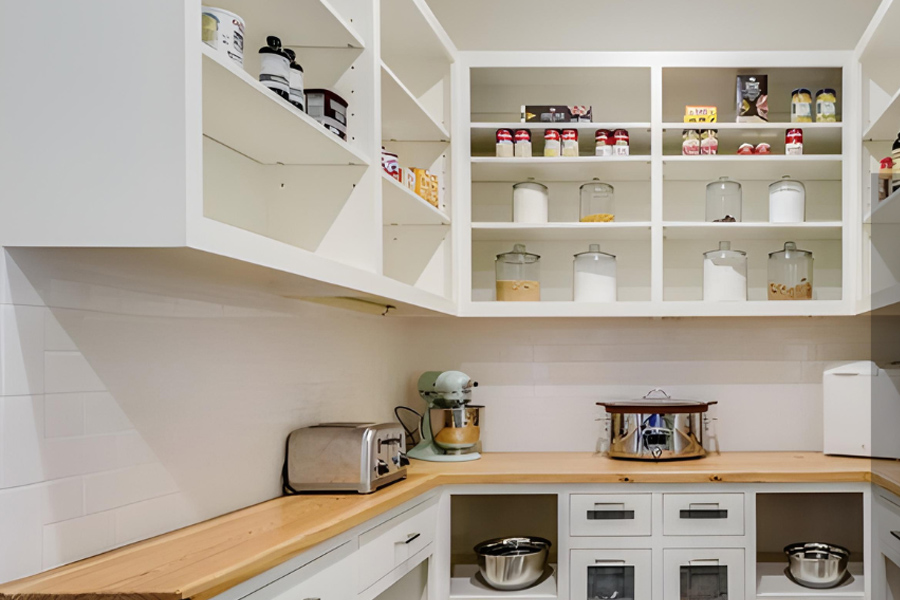
Take a city planner approach to your cabinet. Which commuter routes, bottlenecks, and places require greater illumination and signage. Clear food zones make choices automatic. Put breakfast basics together, a shelf for quick-cook dinners, baking ingredients in one corner, and snacks in another. Keep frequently eaten foods at eye level. Place infrequent indulgences higher so you must intentionally reach for them.
Decant loose materials into designated transparent containers. Translucent containers simplify guessing. Grain jars with uniform lids stack well and show how much is left. Put the item and open date on basic labels. Keep a little notepad or chalk on the door to track what needs using soon. Good arrangement translates willpower into architecture.
Ingredient Literacy Beyond the Five-Item Filter
Five ingredients is a quick screening, not a decision. Choose things you’d prepare at home. Advance one level. Because ingredients are stated by weight, read the order. Sugar toward the top of a savory food is a warning. Check for sweetener clusters labeled cane syrup, brown rice syrup, maltodextrin, or fruit juice concentrate. Although your taste senses may not notice, your metabolism will if several occur.
Gain oil language skills. Choose olive or avocado oil-based pantry goods and avoid highly processed seed oils. When buying grains, search for whole before wheat, spelt, or rye. Fortification can provide vitamins, but it cannot replace the nutritious density of a food that was never removed.
Benchmarks That Keep Choices Honest
Create your own guardrails so shopping and cooking become faster decisions. These are practical targets, not dogma.
- For non-dessert items, aim for single-digit grams of added sugar per serving.
- Keep sodium sensible. Soups and sauces are the big swing, so look for a number that fits your day, then taste and adjust with your own salt at home.
- Look for at least three grams of fiber per serving in grain-based foods.
- For meal anchors like pasta or canned beans, consider options that deliver meaningful protein per serving.
Flip the package and check serving size. If a tiny two-tablespoon portion carries a hefty sugar or sodium hit, you now know the reality. Your plate, not the marketing, should set the portion.
Upgrade Pathways for Common Pantry Items
Think in families, then find a better cousin within each one.
- Beans: Choose low-sodium cans and rinse, or cook dried beans in bulk and freeze in flat bags. Keep at least two varieties on hand for fast stews and salads.
- Tomatoes: Stock crushed tomatoes or passata with minimal ingredients for sauces you can season yourself.
- Broth: Keep low-sodium broth or concentrated stock paste. You can always season up, not down.
- Pasta and grains: Mix whole wheat, buckwheat, or legume pasta into your rotation. Pair white rice with a scoop of lentils to nudge up fiber and protein.
- Breakfast: Replace sugar-heavy cereals with plain oats or unsweetened muesli. Sweeten at the bowl with fruit and a handful of nuts.
- Snacks: Choose crackers made with whole grains and seeds. Keep nut butter with nothing but nuts and salt.
- Fish: Canned salmon, sardines, or tuna in olive oil make quick meals. Drain lightly and fold into salads with lemon and herbs.
- Condiments: Build a foundation with mustard, vinegars, tahini, hot sauce, and tomato paste. They stretch flavor without turning every meal into a sugar or sodium bomb.
- Baking: Stock whole grain flour alongside all-purpose, plus almond flour and ground flax. This gives you texture, nutrition, and flexibility.
Spice Cabinet Mastery Without the Packet
A reliable spice cabinet is a flavor printing press. Start with cumin, coriander, smoked paprika, chili powder, oregano, thyme, turmeric, cinnamon, garlic powder, onion powder, and black pepper. Buy small amounts more often so they stay lively. Keep them cool, dry, and out of direct light.
Bloom ground spices in a little oil to wake them up, then add liquids. Salt near the end, after flavors develop. Grind whole spices like cumin and coriander seeds in a small grinder for a fresh, warm punch. Create simple blends in five minutes and store them in small jars:
- Bright taco blend: chili powder, cumin, smoked paprika, garlic powder, oregano.
- Savory roast blend: thyme, rosemary, garlic powder, black pepper, a pinch of mustard powder.
- Golden rice blend: turmeric, cumin, coriander, onion powder, a hint of cinnamon.
Packets promise convenience, but your own blends deliver control. You get the flavor you want without the hidden extras you would never add in your own kitchen.
FIFO 2.0: Rotation Meets Nutrition
In-first-out is only half the story. Use modest nutrient systems to support the habit. Slide fresh groceries behind old ones. Add open dates to oils, nut butters, and flours. Store aging cans, jars, and snacks in a use-first bin. Plan two meals a week from that bin to maintain flow.
Watch for fading products. Shiny oils fade. Whole grains and nuts can go rancid. Shy spices. Boring aromas lead to boring flavors. Make your freezer a pantry extension for nuts, seeds, coffee, and whole grain flour. Keep a short inventory of what resides there on your phone to avoid food loss.
Storage Microclimate and Shelf-Life Confidence
Pantry ecosystems are small. Food moves faster with heat, light, and humidity. Dry and clean shelves. Avoid stovetop and dishwasher storage of oils and chocolate. Store grains and flours in sealed containers to avoid bugs and moisture. Buy smaller oil bottles unless you prepare for many. The last half-cup of a big jug is usually the worst.
Label jars clearly. A simple name and open date beat any app. If you are unsure whether something is still good, let your senses guide you. If a grain smells dusty or a nut smells like paint, it is time to part ways.
Budget and Sustainability Moves
A smart pantry saves money without sacrificing quality. The same planning mindset used in house additions applies here—design systems around long-term needs, not short-term convenience. Shop unit price, not headline price. Bulk works for slow-to-spoil staples like rice, oats, and canned tomatoes. It is a trap for fast-fading items like spices and oils. Refill from bulk bins into small containers rather than keeping a giant bag that stales before it empties.
Aim for pantry-to-plate weeks each month where your meal plan focuses on what you already own. Donate unopened and safe items you no longer plan to use. Upcycle sturdy glass jars for dry goods. Keep a small basket for snack odds and ends so singles get eaten instead of forgotten.
Special Diets and Family Dynamics
Households are ecosystems. Set aside allergen-prone goods on a shelf with visible labeling. Keep slow-digesting carbohydrates and proteins at eye level and fast sweets away for blood sugar regulation. Make a choose-your-own snack box for youngsters with items you want to disappear. Canned fish, beans, and cereals that cook quickly after exercising are good for athletes.
Agree on a few house rules. For example, sauces with sugar belong on the top shelf, daily staples stay at eye level, and new items get a try-it-once night. Small agreements avoid big friction.
A 15-Minute Monthly Pantry Ritual
Set a light timer. Wipe shelves damply. Combine duplicates. Put older stuff first. Browse oils, flours, and nut butters by date. Sniff spices and turn off sleepers. Use bulk bags to refill jars. List three products to use this week and design two meals around them. Replace wishes with real shopping list gaps.
FAQ
Is the five-ingredient filter enough to decide what to keep?
It is a good start, not the answer. Short ingredient lists are good, but quality and order are just as important. It can contain five ingredients and be primarily sugar and processed starch. Use the filter to restrict the field, then read the label for your goals.
Are canned foods a healthy choice or should I avoid them?
Canned foods can be great. Choose options with minimal ingredients and sensible sodium. Rinse canned beans to reduce salt. Tomatoes, fish, beans, and even some vegetables deliver fast nutrition with long shelf life. The key is picking versions that let you control seasoning at home.
How do I cut sodium without making food bland?
Add flavor early and salt last. Brown aromatics, bloom spices, add acidity like lemon juice or vinegar, and finish with fresh herbs. Once acidity and spice are balanced, a pinch of salt goes further than a huge shake. Texture helps. Crunchy seeds, toasted almonds, and good olive oil satisfy with minimal salt.
What should I look for in breakfast cereals or granolas?
Scan for whole grains at the top of the ingredient list, minimal added sugars, and real nuts or seeds for staying power. If you love crunch, buy an unsweetened base and sweeten it yourself with fruit. That way you control the sweetness and avoid the stealth sugar spikes.
How do I manage sweets without feeling deprived?
Clear treat lanes. Keep a little shelf or container and determine how often to use it. Instead of sugaring sauces, snacks, and breakfast, eat sweets you love. When rewards are intentional, daily foods don’t need to be sweet.
Are fortified foods a good idea for a healthy pantry?
They can help bridge gaps, but they do not replace a diet built on whole foods. If a product is heavily fortified, ask what was removed during processing and what remains. Let fortified options play a supporting role, not the foundation.
How should I store flours, nuts, and seeds for maximum freshness?
Treat them like perishable pantry items. Keep small working jars in the pantry and store the rest in the freezer. Label with open dates, keep containers airtight, and rotate regularly. If something smells bitter or stale, it is time to replace it.
What if my family is not on board with changes?
Start with additions, not subtractions. Bring in better versions of familiar foods and place them where they are easiest to grab. Keep a few legacy favorites to reduce resistance. Involve everyone in a five-minute shelf reset and let each person pick a new item to try. Small wins create momentum.