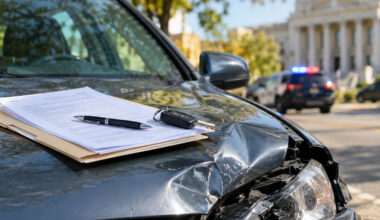
Florida’s Landscape: No-Fault Basics and Thresholds
The Sunshine State moves fast. So does its injury system. Regardless of responsibility, your Personal Injury Protection coverage pays a portion of medical bills and lost wages after a crash. This no-fault layer provides emergency care, not the entire value of your case. You need extensive scars, a permanent damage, or death to suit for pain and suffering after a car accident. That threshold guards. It opens up the whole range of damages against the at-fault party.
Economic Damages: The Backbone of a Claim
Personal injury cases have ledger lines for economic losses. They include emergency transport, hospitalization, surgery, imaging, medicines, assistive equipment, in-home health, and rehabilitation. For major injuries, future treatment may exceed past costs. Therapy, revision procedures, pain management, and mental health assistance may be needed in the future.
Courts and insurers prefer hard statistics than speculation. A life care plan can predict future treatments. Treating physicians and independent experts may evaluate need, frequency, and cost. We reduce future costs to present value because a dollar promised years from now is worth less than a dollar now. This image grows clearer with more medical narrative and documentation.
Lost Income and Earning Capacity
Not only do injuries empty wallets through expenses. They pull workers away. The claim covers missed shifts, overtime, commissions, and bonuses during rehabilitation. Loss of earnings is more complicated. That concerns how the injury affects your path. Work less hours, lift less, travel less, or never return to your trade?
Occupational and economic specialists help connect the links. Education, training, employment markets, transferable skills, and medical conditions are considered. Work-life expectancy and permanent limitation ripple effects are examined. Self-employed people need tax returns, invoices, and client histories. If you work tips or irregular hours, trustworthy records and witness accounts matter more.
Pain, Suffering, and Mental Anguish
A receipt doesn’t indicate everything you lose. Daily pain can be a drumbeat. Sleeplessness can result from anxiety. Depression erodes connections. Florida non-economic damages take into account personal expenditures. How has your life altered and frayed? The law asks.
Value is guided by two practical lenses. Symptom intensity and persistence are supported by medical records and credible testimony. The other is daily life influence. Can you lift your child, sit through class, or stand long enough to make dinner? The more clear and consistent your tale, the more convincing. Journals, therapy notes, and comments from friends, coworkers, and family turn pain into proof.
Scarring, Disability, and Loss of Enjoyment
Jagged forearm scar. Each staircase has a limp. The law compensates functional and psychological damages from permanent injuries. Visibility, permanence, and how these changes affect identity and capability are considered by Florida juries.
Life enjoyment loss is harm. If you can no longer play pickup basketball on weekends, dive off Tampa Bay boats, or garden for hours, include that loss too. Photos, films, club memberships, and testimonies from people who participated can give a before-and-after story substance.
Loss of Consortium: Impact on Family Bonds
Household injuries spread. Pain may cause partners to do extra chores, lose intimacy, or change their mood. Child guidance and engagement can wane. Some family members can claim loss of consortium in Florida, which covers the wounded person’s support, companionship, and services. Changes in routines, duties, and emotional pressure define what is deeply personal.
Property Damage and Incidental Losses
Claims go beyond the body. Falling objects can crush phones, laptops, cars, and jewelry. Event-related repairs or replacements are recoverable. Save receipts, estimations, and images. Focus on fair market worth or repair costs since sentimental value is rarely compensable. Consider treatment-related expenses like parking, appointments, and temporary childcare. Small stones might tip the scale.
Punitive Damages: When Conduct Crosses the Line
Compensation restores a person. Punitive damages punish significant wrongdoing that warrants severity. Florida requires clear and compelling proof of intentional misbehavior or severe carelessness. Consider reckless drunk driving or a firm that ignores a severe issue. Punishment is rare and regulated by law. They brighten the night when necessary, suggesting that certain actions have consequences beyond ignorance.
Comparative Fault and the Duty to Mitigate
You may share blame. Florida applies modified comparative negligence in most negligence trials. Your compensation may be lowered by your proportion of fault. Recovery may be denied if you’re largely responsible. Fact-based allocation dominates. Witness accounts, scene images, and expert reconstructions important.
Damage mitigation is also your responsibility. Get treatment quickly. Adhere to reasonable medical recommendations. Skipping treatment or disobeying limits gives the defense an argument that you aggravated your injury. Mitigation is imperfect. Reasonable effort given the conditions.
Evidence That Moves the Needle
Great cases are not built on rhetoric. They are built on records and credible testimony. Consider assembling:
- Medical records and imaging, organized by provider and date
- A running ledger of out-of-pocket costs
- Pay stubs, tax returns, and employer letters
- A pain and activity journal, simple and consistent
- Photos of injuries from onset through healing
- Repair estimates and receipts for damaged property
- Statements from family, friends, and coworkers describing change
Consistency across these materials is gold. Inconsistencies invite doubt. Keep everything. Small details can become anchors during negotiation or trial.
Timelines and Legal Limits
Deadlines shape all claims. Due to Florida’s shorter statute of limitations for many negligence cases, filing windows are tighter. Government cases require notice and have statutory limits. Some assertions strengthen when medical conditions stabilize, but evidence dries up. Balance matters. Health and rights can be protected by early investigation, continuous treatment, and calendar monitoring.
How Florida Courts View Medical Bills
Not all sticker prices are final. Medical services’ reasonable value can range from billed amounts, which courts and juries consider. Proof of payments, write-offs, and typical rates may be needed. Fairness based on real-world economics is the goal. Claimants must prove care and financing without presuming the greatest bill number would prevail.
Special Situations: Work, Government, and Catastrophic Harm
Employee injuries are handled by the workers compensation system, which has wage loss and medical care standards. Public agency claims are capped and subject to different procedures than private defendant claims. Early expert engagement is needed to map lifetime demands and assess future household services, home adaptations, and assistive technology after catastrophic injuries including traumatic brain injury, spinal cord damage, or severe burns.
FAQ
What counts as pain and suffering in Florida?
Physical pain, mental anguish, inconvenience, and the loss of enjoyment of life can all be part of non-economic damages. The focus is on how the injury changes day-to-day living, relationships, sleep, mood, and the ability to participate in activities that previously brought meaning or joy.
Can I recover if I was partly at fault?
Often yes, but your compensation can be reduced by your share of fault. If you are mostly responsible for the incident, recovery may be barred in many negligence cases. The percentage is determined by the evidence and can be hotly contested.
How are future medical costs calculated?
Future care is projected through medical opinions and, in significant cases, a life care plan. Costs are estimated for therapies, procedures, medications, equipment, and supportive services. Those totals are typically discounted to present value to reflect the time value of money.
What if my insurance already paid some bills?
Payments from your own coverage can affect the net recovery. Florida courts often consider the reasonable value of services, and post-verdict setoffs or reimbursement rights may apply. Keep detailed records of who paid what and when, including any liens or subrogation notices.
Can family members seek their own damages?
Spouses, and in some cases other close family members, may claim loss of consortium when an injury disrupts companionship, services, and support. Evidence of changed routines, increased responsibilities, and emotional impact helps quantify these losses.
How long do I have to file a lawsuit in Florida?
Filing deadlines vary by claim type and have tightened for many negligence cases. Claims involving public entities can require early notice. Because timing can make or break a case, act promptly to understand the specific deadline that applies to your situation.
When are punitive damages available?
Punitive damages are reserved for intentional misconduct or conduct so reckless that it shows a conscious disregard for safety. They are unusual, controlled by statute, and require clear and convincing proof. When awarded, they are meant to punish and deter, not to reimburse ordinary losses.