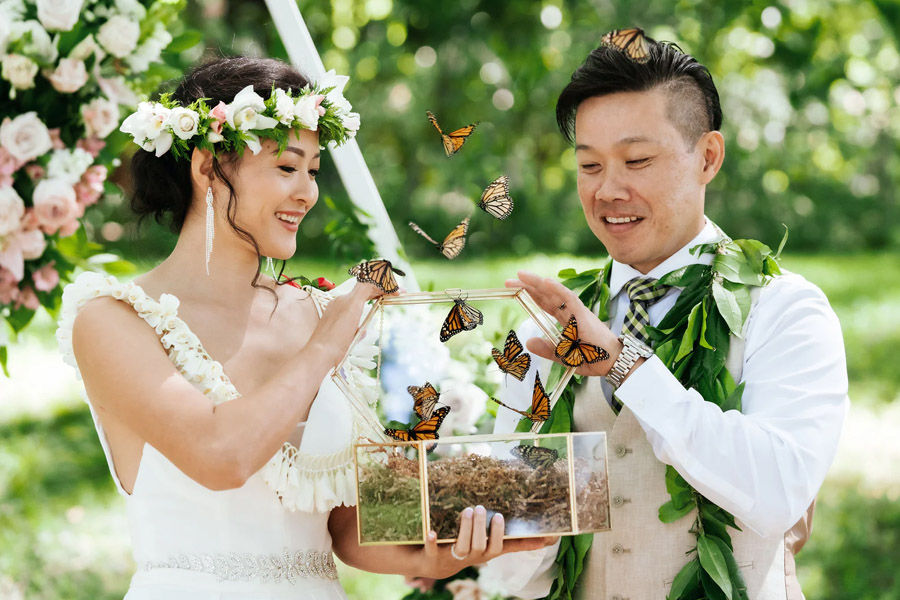
The Allure of Flight in a Coastal City
San Diego is a light canvas. This constant, warm, soothing light attracts butterflies. The soft marine layer of coastal mornings gives way to dazzling midday sky that sparkle wings. Inland valleys heat up quickly and retain warmth, making them excellent for afternoon ceremonies. Gentle breezes lift the flight, and the city’s gardens, canyons, and beachside sites make a release feel natural rather than manufactured. Butterflies act as a curtain rises under high sunlight and above 60 degrees.
Choosing Species and Ethical Sourcing
Responsible releases start with the correct species and breeder. Painted Ladies are the most popular since they are hardy, energetic fliers, and native to North America. Federally approved vendors produce butterflies in clean, regulated settings and time shipments to the event date to ensure maturity, health, and flight. Ask sellers to prove they breed native species and follow regulations. Reject non-native butterflies and wild stock. This preserves local ecosystems, helps pollinators, and makes your moment perfect.
Designing the Moment
Decide how guests should feel. Similar to opening a jewelry box of wings, a mass release box delivers a gasp-worthy blast for communal astonishment. Individual envelopes provide guests a physical link for intimacy. Wedding releases might be made during the recessional, after vows, or when live music rises. Memorials sometimes include reading or silent thought after the discharge. Simple scripts—two-sentence invitations, mild countdowns, and unambiguous opening cues—help. With supervision, kids can hold envelopes flat and delicate like hidden letters. Assign a coordinator to distribute envelopes, cue music, and notify photographers. Light choreography is desired. Butterfly do the rest.
Weather, Timing, and Microclimates
Sunlight and temperature matter. Above 60 degrees in strong light is ideal. To outrun the marine layer on the shore, try lunchtime or early afternoon. Try earlier inland if late day heat is forecast. Do not let strong breezes scatter the group or send butterflies downwind too soon. Wait for sunshine if it’s cold or gloomy. The release may be completed in minutes once the light is appropriate since butterflies warm quickly. Think of weather as a stage manager who determines the spotlight.
Logistics From Order to Release
Order four to six weeks ahead to guarantee date and quantity. Confirm delivery the day before or morning of. Butterflies arrive calm and packaged. Keep them in a quiet, temperature-controlled area, not a freezer, while your coordinator warms up. Most vendors recommend gradually bringing butterflies to room temperature before the cue. One person should receive the package, verify quantities, read the care card, and coordinate with the day of team. A fast walkthrough of the release cue will help photo and video crews determine their targets.
Quantities, Cost, and Style Choices
Determine the butterfly count to shape the effect. A single mass box provides a beautiful mini ceremony centerpiece. Mixes are good for larger parties. Family or wedding party envelopes and a bulk box for camera air. Couples can match numbers to symbolic numbers like years together or family members. Season, species, and permission restrictions affect budget. Butterfly decor should be a focal point. This live flourish replaces confetti and rivals pyrotechnics in sentiment.
Photography and Guest Experience
Light aids you. To avoid shadows on wings, position the release with the sun behind or off the photographer. Request a quick shutter and burst mode from the lead photographer for open envelopes. Place visitors in a shallow arc to reduce congestion and add depth. Encourage participants to slowly open envelopes and let butterflies out rather than shaking or tapping. Butterfly lingering is fine. Item is gift. Let guests watch, whisper, and grin while it takes time.
Environmental Stewardship After the Release
The best releases leave only memories. Use biodegradable envelopes or reusable keepsake boxes. Avoid sugar drinks and fruit stations, which attract wasps and disrupt nature. Invite guests to watch, not pursue. Include a remark in your program encouraging everyone to grow natural nectar sources at home to prolong the meaning beyond the day. Every yard that becomes habitat is a love letter to the future in a pollinator-rich city.
Troubleshooting and Backup Plans
Even with great forethought, nature rules. If frigid air persists, release later in the program when the sun is stronger. Move closer to a hedge or garden wall in windy conditions. Hold butterflies in their cool, peaceful location and monitor the radar if it rains suddenly. Coastline sprinkles move swiftly. Choose a bright indoor atrium or greenhouse and release when doors open to sunlight for a full weather pivot. If things don’t improve, talk to your vendor about caring for and releasing the butterflies.
Legal and Venue Considerations
Get venue authorization in writing. Live animals, time of day, and release locations are regulated at some facilities. Botanical gardens and events near sensitive areas may restrict species releases. Avoid indoor ballroom releases. Butterflies prefer plants and light to chandeliers. Maintain food and bar stations away from the release area. Share allergy information for particularly sensitive guests, even when butterflies don’t sting. A precise plan develops venue trust and calms the occasion.
FAQ
How long do butterflies stay after release?
Some take flight immediately, circling and rising toward the light. Others pause on a shoulder, bouquet, or leaf to warm their wings. Expect a gentle mix of instant lift and lingering moments. Within minutes, most will disperse toward sunlit plants.
What if a butterfly does not fly right away?
Give it a warm, safe surface and a little time. A fingertip, a flower, or the edge of an envelope works well. Do not blow on wings or tap. As the butterfly absorbs heat, it will open and close its wings, then depart when ready.
Is a release humane and environmentally responsible?
When you use native species from licensed breeders who follow regulations, a release can be both humane and aligned with local ecosystems. The butterflies are raised healthy and ready for free flight, and the practice supports awareness of pollinators and habitat.
How many butterflies should we order?
Match quantity to your space and guest count. Small ceremonies feel magical with a single mass box or a few dozen envelopes. Large weddings often choose a mixed approach that gives close family a hands on role while creating a dramatic group moment for photos.
Can children participate safely?
Yes, with a quick demonstration. Show them how to hold envelopes flat and open slowly. Assign an adult to stand nearby to assist. Children often cherish the memory of a butterfly stepping onto their hand.
What time of day is best in San Diego?
Late morning to mid afternoon is usually ideal. Coastal venues benefit from waiting until the sun breaks through. Inland locations may be ready earlier. Always choose a time when the sun is visible and the air is warm.
What happens if the forecast calls for wind or clouds?
Build a flexible window into your timeline. Shift the cue to a sunnier or calmer moment, or move to a sheltered garden corner. If the sky never clears, consult your vendor about holding the butterflies and releasing them when conditions improve.
How far in advance should we book?
Four to six weeks is a good planning window, especially during peak wedding seasons. This allows your vendor to time the life cycle, arrange shipping, and coordinate any venue approvals or special requests.