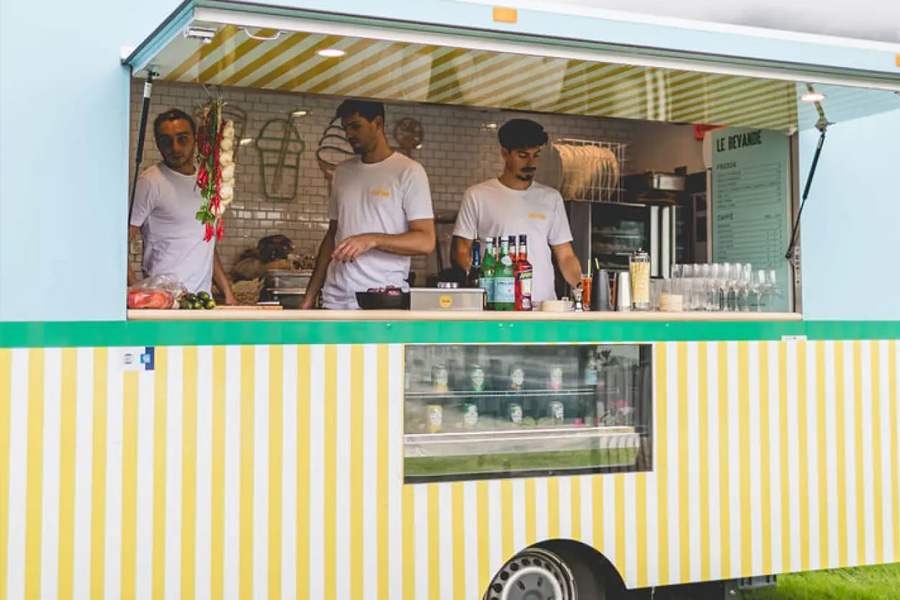
Sharpening the Concept That Travels Well
Clarity fuels food trucks. Define a rapid, quality-holding concept that suits your trading zones before cutting steel or designing a logo. Draw three circles: taste identity, operational speed, and local demand. Your specialty is unique food, fast service, and a waiting crowd.
- Flavor identity: Choose a tight culinary point of view. Think smoke-forward sandwiches, fire-kissed skewers, crispy stuffed flatbreads, or indulgent plant-based comfort food.
- Speed: Favour items that finish in under two minutes once ordered. Focus on fast firing, quick garnish, and clean handoffs.
- Demand: Audit high-footfall areas, weekend markets, office districts, and late-night precincts. Note dietary preferences, price sensitivity, and prevalent competitors.
A strong concept is memorable but also operationally ruthless. Every dish must pull its weight in revenue, speed, and cross-utilization of ingredients.
Designing the Rolling Kitchen for Flow, Not Fuss
Treat your truck like a tiny orchestra pit. Every instrument needs a place, and the music only works when the conductor can see it all. Build zones, not clutter.
- Hot line: Grill or plancha, fryer, and a compact oven within arm’s reach. Place holding units between cookline and service to prevent backtracking.
- Cold line: Salad wells and garnishes positioned at the pass. Keep proteins chilled and loaded by service order.
- Prep and wash: Separate knife work, allergen storage, and washing station. Install a labeled allergen kit and color-coded boards.
- Power and utilities: Calculate peak electrical load. Choose a generator or shore power strategy that matches appliances and noise limits. Gas and electrical systems need current certifications and accessible shutoffs.
- Ventilation and fire safety: Fit correct hoods, filters, and suppression. Keep extinguishers within reach and drill staff on use.
- Window ergonomics: Set the pass so two guests can be served simultaneously. Mount a large order display for staff and consider a second window for festivals.
Design with service stress in mind. If a step requires twisting, stooping, or shouting, refine it on paper before it becomes a sore back or a slow queue.
Menu Engineering for Speed and Signature
Write a short menu that punches above its weight. Three to five mains, one or two sides, and one dessert is enough to build a cult following. Engineer around holding quality and quick finishing.
- Proteins prepped in a commissary or prep kitchen: marinated, brined, smoked, or par-cooked safely, then finished to order.
- One-skillet or one-surface techniques: sear and baste, hot-hold sauce pans, finish with a single signature glaze.
- Cross-utilization: A citrus-chili dressing works on greens, seafood, and roasted veg. One pickled element can brighten multiple dishes.
- Texture and contrast: Crunch, heat, acid, and umami in every bite.
- Seasonal switch-outs: Swap one hero item each quarter to keep regulars excited without retraining the whole line.
Print your build sheets. Laminate them. Enforce them. Consistency is a superpower when your kitchen is the size of a closet.
Pricing and Unit Economics You Can Bank On
Great food without margins is a hobby. Cost, price, and pace must align.
- Target food cost percentage: 25 to 30 percent for mains, 20 to 25 percent for sides, 15 to 20 percent for drinks.
- Example: If a fried chicken sandwich costs 4.50 in ingredients, price it between 15 and 18 depending on venue and competition. Keep a clear upsell path with a side and drink combo that raises average order value by 20 to 30 percent.
- Daily break-even: Tally fixed costs like vehicle finance, insurance, storage, licenses, marketing, and staff. Add estimated fuel, event fees, and generator hours. Build a target count of transactions and an average order value. Reassess weekly, not yearly.
- Festival math: Factor site fees, longer hours, higher staffing, and unpredictable weather. Price with buffer and set a sell-through target per hour.
Cash flow loves predictability. Track actuals daily. Adjust fast.
Route, Events, and Seasonality
Your calendar is your lifeline. Create a weekly rhythm and layer spikes.
- Anchor days: Secure two to three reliable lunch spots near offices or industrial parks. Add evening service in entertainment zones where permitted.
- Markets and festivals: Apply early and maintain relationships with organisers. Keep your pack-in and pack-out timing honed to the minute.
- Weather playbook: Rain can halve foot traffic. Prepare limited wet-weather menus with faster service and less waste.
- Holidays and school terms: Expect swings. Run limited-time offers when crowds swell and slim menus when they dip.
Capture data on each site: footfall, conversion rate, queuing tolerance, and ideal menu mix. Drop underperformers quickly.
Compliance and Risk Management Without the Guesswork
Operating legally is not optional. Requirements can vary by council area and state, so build a compliance folder that travels with you.
- Registration and permits for the vehicle and food business.
- Food Safety Supervisor nominated and trained.
- Staff hygiene training records and allergen procedures.
- Approved prep kitchen if your council requires off-site preparation.
- Gas and electrical certificates, fire suppression service records, and routine temperature logs.
- Safe water, wastewater, and grease disposal plans.
Keep documentation organised and accessible. Health inspections go smoother when your paperwork is sharper than your chef’s knife.
Staffing and Service Choreography
A lean crew can move mountains if roles are crystal clear.
- Two to three person core: one on hot line, one on cold and expo, one at window and payment. Add a runner for festivals.
- Headsets or simple service cues reduce noise and errors.
- Standard phrases for greetings, upsells, and pickup confirmations build rhythm and brand.
- Pre-service briefing: sales targets, menu 86s, allergen callouts, and handoff timing.
- Post-service breakdown: cleaning, par lists for tomorrow, waste recording, and maintenance notes.
Treat service like a dance. Footwork and timing separate good from great.
Tech Stack and the Marketing Flywheel
The right tools amplify speed and visibility.
- POS with offline mode, tap-to-pay, and menu engineering features.
- Kitchen display screens to reduce ticket confusion.
- Pre-order windows for office parks and large events.
- Loyalty that rewards visit frequency or combos.
- Social cadence: post schedules, drop pins, show real-time specials, and repost customer photos. Announce sellouts with flair.
- QR at the truck for menus, allergen info, and feedback.
Make discovery effortless. Make repeat visits inevitable.
Sourcing, Cold Chain, and Sustainable Choices
Reliability beats bargain hunting when your entire business rests on a cooler.
- Build relationships with suppliers who deliver on time and stand by temperature control.
- Use calibrated probes, insulated cambros, and ice packs. Log temperatures on receipt and during service.
- Standardise packaging that insulates and travels well without sogging the crunch.
- Reduce generator use where shore power is available. Manage noise and fumes for residential sites.
- Track waste and repurpose offcuts into specials when regulations and safety allow.
Sustainability is not just optics. It saves money and wins loyal guests.
Maintenance and Reliability That Keep Wheels Spinning
Downtime during a long weekend is more expensive than any spare part.
- Daily: clean filters, wipe down hoods, check oil levels, test fridge temps, inspect cords and gas lines.
- Weekly: tighten hinges and latches, descale coffee and steam equipment, sharpen knives.
- Monthly: service generator, replace worn gaskets, deep clean fryers, refresh non-slip mats.
- Carry a go-bag: fuses, gaskets, bulbs, food-safe lubricant, tape, basic tools, probe batteries, and spare POS cables.
Schedule maintenance like a standing reservation. Keep records to spot patterns before they become failures.
Funding and Cash Management
Plan your spending like you plan your mise en place.
- Stage capital expenditure: prioritise the truck build, essential cooking kit, and safety systems. Add nice-to-have upgrades after proving demand.
- Explore vehicle finance, equipment leasing, or staged builds on a trailer before a full truck.
- Protect working capital for inventory, event fees, and rainy days.
- Collect deposits for private events and set clear minimums.
- Insure the vehicle, public liability, product liability, and equipment.
Healthy cash flow makes everything else possible. Treat it as the first ingredient every day.
Metrics and Continuous Improvement
What gets measured gets faster.
- Order-to-handoff target: under 3 minutes for 80 percent of tickets.
- Average order value and items per ticket.
- Sell-through per menu item and kill rate for slow movers.
- Prep accuracy versus actual sales to reduce waste.
- Staff hours per service and revenue per labour hour.
- Customer feedback themes and review scores.
Review weekly, pivot monthly. Retire underperformers. Promote heroes. Keep learning.
FAQ
How many menu items should I start with?
Begin with three to five mains, one or two sides, and a single dessert. This scope ensures speed, repeatability, and lower waste. Add seasonal specials only after the core menu hits time and quality targets consistently.
How much power will I need on a typical service day?
Inventory all appliances and add their peak wattage. Include refrigeration start-up surges and small items like lights and chargers. Choose a generator or shore power option that exceeds your peak by a safe margin, and distribute load across circuits to prevent tripping.
What is the fastest way to cut queues without hiring more staff?
Batch finish components that hold well, pre-label and stage garnishes, run a separate pickup window for online orders, and tighten your menu language to reduce questions. A clear menu board with photos speeds decisions by several seconds per guest.
How do I price for festivals where fees are high?
Start with your standard margin, then layer site fees, longer hours, and expected waste. Set a revenue target per hour and calculate required throughput at your price point. Offer a premium combo that boosts average order value while keeping single-item options for price-sensitive guests.
Can I operate without a commissary or prep kitchen?
Some councils allow full prep on the vehicle if it meets specific requirements, while others require a registered off-site kitchen for certain tasks. Check local rules early and design your workflow accordingly. Even if not required, a prep kitchen often improves speed and consistency.
What is the best way to handle sellouts during service?
Announce sellouts quickly at the window and on social channels. Train staff on immediate menu board updates and recommended substitutions. Consider a last-batch alert that triggers an upsell push for alternatives before the item disappears.
How early should I book major events?
Large festivals can lock vendors several months in advance. Build a rolling calendar, apply early, and maintain rapport with organisers. Keep a press kit with menu, photos, and past performance handy to speed approvals.
What insurance cover should a food truck carry?
Typically you will need cover for the vehicle, public liability, product liability, and equipment. Consider business interruption and workers compensation where relevant. Review annually as your operation grows.
How do I manage allergens in a tiny kitchen?
Designate a clean prep zone, use color-coded utensils, store allergens separately, label clearly, and train staff on communication. Keep a printed allergen matrix for your menu and display it. When in doubt, do not promise a safe meal you cannot guarantee.
What if rain or heat crushes foot traffic?
Build a reduced storm menu with faster items and less fry time. Set up weather covers where allowed. Use social channels to redirect customers to alternative locations or earlier service windows. Monitor forecasts and stock accordingly to limit waste.