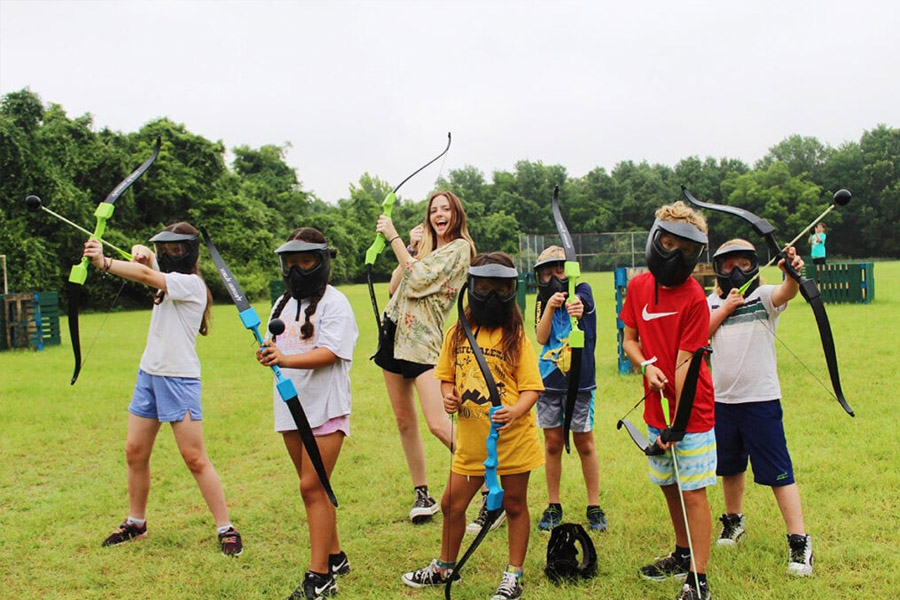
Why Intentional Camp Design Matters
Excellent camps are like miniature villages created for exploration. Each action, from a morning warm-up to an evening story circle, may be purposeful. Moving improves health. Art sparks interest. Shared problems foster empathy. Well-planned days allow kids to safely push limits, discover their voices, and belong. A clear vision helps counselors fulfill varied needs and enables campers of all ages grow in confidence, creativity, and camaraderie.
Fresh Outdoor Adventures Beyond the Classics
Classic hobbies are great, but they can grow. Micro experiences that last an hour and suit different ages. Map quests teach orienteering using colorful flags and simple clues. Kids use floating leaf boats to identify macroinvertebrates and track water movement in shallow creeks during stream studies. Campers’ seed balls can create a pop-up pollinator garden along a trail. Use glow sticks and safe markers to let older campers lead younger ones on a basic course at night. Small, planned adventures let kids feel brave without being overwhelmed.
Creative Studios and Maker Spaces
Create imagination-filled spaces. A maker cart featuring cardboard engineering kits, child-safe hand tools, and repurposed treasures can move between cabins. Mini design sprints—prompt, brief build, showcase. Campfire-glowable art may one day exist. Another day could feature miniature puppet theaters with camp humor scripts. Combine nature prints, sun-sensitive paper, and powdered clay. Allow campers to curate a pop-up exhibit with labels explaining process and purpose. Children become proud when their ideas stand tall.
Leadership in Action for All Ages
Use builds leadership muscle. Provide frequent, low-stakes practice. During group games, switch navigator, encourager, safety checker, and timekeeper. Start a Camp Council where elected campers propose changes, vote on friendly competitions, and draw a mural. Add peer mentoring and brief active listening and conflict deescalation trainings for older students. Younger campers can lead a clean-up song or choose the next narrative. These threads create a culture where taking charge and sharing the spotlight are natural.
Nature and STEM Immersion
Camping brings STEM to life through touch, construct, and test. Build weather stations with homemade anemometers and rain gauges. Study leaf architecture and bark patterns with magnifiers and record findings in field journals. Launch egg-drop challenges from safe heights for iteration and reflection. Start worm farms and track soil health. Nighttime constellation tours with red-light lamps combine mythology with star navigation. Nature and STEM are connected. This toolset helps ask better questions and design inventive solutions.
Performing Arts with Purpose
Make the stage pulse. Warm-ups calm nerves and encourage play. Create short, camp-themed collaborative compositions. A weekly patchwork show may include a drum circle, a comedy sketch, a dance duet, and journal-based spoken poetry. Improvisation teaches empathy and flexibility. Tech crew roles let aspiring directors and stage managers shine behind the scenes. Every camper should feel seen at the curtain call, whether they spoke or followed the lighting cue.
Active Play and Fitness that Stick
Movement transcends exercises. Create agile, fun circuits. Include animal treks, log balancing beams, beanbag tosses, and chalk station sprints. Help youngsters recharge with thoughtful breathing after high-energy activities. Introduce cooperative sports that reward collaboration rather than objectives. Challenge ladders let campers measure progress and celebrate little triumphs. When fitness is fun, sociable, and achievable, it sticks.
Cooking Up Confidence
Food is a sensory classroom. Use vibrant vegetables and safe utensils in simple cookery labs. Rainbow salsa teaches knife skills using kid-safe cutters and color exploration. Flatbread on a griddle teaches heat safety and culture. Campers can taste herbs, learn flavor language, and track their favorites on tasting maps. Gather families to contribute recipes to a heritage cookbook. Make nutrition a life skill for older campers with budgeting and meal planning games.
Welcoming Little Campers
Preschool summer camps emphasize rhythm and mild adventure. Maintain small groups. Use songs and graphic cards to create short activity blocks with obvious transitions. Water play stations, sensory routes, and sheltered narrative nooks promote discovery without overwhelm. Providing quiet pods with comfy chairs helps reset. Make simple choices: two crafts, snacks, and game stations. By using routines as teaching moments, childcare summer camps combine care and learning. Zippers practice fine motor skills. Circle time teaches social skills.
Daily Rhythm and Safety Essentials
Daily arc matters. Morning activity, hands-on emphasis, outdoor adventure, rest, creative session, and closing reflection are common camp routines. Predictability eases anxiety and encourages participation. Safety begins with planning. First-aid, allergy, and positive behavior support training for counselors. Display barrier maps near activity zones. Before and after transitions, use buddy systems and roll calls. Provide plenty of water and shade, and educate sun safety and hydration. Small details repeated well build a safe culture.
Parent Partnerships and Communication
The community has families. A welcome packet should include goals, timetables, and contact information. Weekly updates with images, highlights, and plans. Open up dietary needs and support channels. Campers can show projects and provide brief demos at a mid-session open house. Camps that communicate well calm parents, support children, and let staff focus on everyday discoveries.
FAQ
How can camps keep activities inclusive for different abilities and comfort levels?
Build choice into every session. Offer tiered challenges, sensory-friendly alternatives, and quiet spaces for breaks. Train staff to recognize stress signals and to coach self-regulation. Use peer buddies and rotate roles so each child contributes in a way that feels safe and meaningful.
What does a balanced day look like for younger campers?
Short blocks with gentle transitions. Start with a playful warm-up, add a hands-on activity, follow with outdoor exploration, then rest and a quiet craft. Finish with a closing routine like a song or gratitude circle. Predictable rhythms help preschoolers feel secure and engaged.
How should camps introduce leadership without overwhelming shy children?
Invite micro leadership. Let shy campers lead a stretch, hold a map, or choose a team cheer. Celebrate these small steps. Over time, layer responsibilities and provide mentors. Leadership grows when it is practiced often and affirmed with kindness.
What are simple ways to weave STEM into outdoor time?
Use tools that fit small hands and curious minds. Build rain gauges, study insects, test friction on different surfaces, and track cloud types. Encourage questions, hypotheses, and quick tests. Finish with reflection so the learning sticks.
How can camps communicate effectively with families during busy weeks?
Set clear rhythms. Send a weekly update with highlights and reminders. Offer a direct contact method for urgent needs. Create moments for families to see work in progress, like pop-up galleries or short performances. Consistency builds trust.
What makes cooking sessions safe and successful for kids?
Choose age-appropriate tools, set clear stations, and model knife and heat safety before any hands-on work. Prep ingredients to reduce bottlenecks. Emphasize hygiene, tasting etiquette, and cleanup routines. Keep recipes colorful, simple, and culturally diverse.
How do camps support well-being under summer heat?
Plan shade breaks, hydration points, and cool-down activities. Rotate high-energy sessions with calm indoor or canopy time. Teach sun safety early with hats, sunscreen, and water reminders. Monitor for signs of fatigue and adjust schedules as needed.