Day One: Time Splits Into Smaller Pieces
The puppy rearranges the hours. Paws on the floor, light streaming through the window, breathy yawns, and the first step outside mark morning. Lunch is now a break for play, water, and a shaky seat that makes you smile. Evening slowly binds routines. You note how a day can have patience, lightning, naps, and sprints. Time becomes purposeful steps after being a conveyor belt.
Micro-adventures at the End of the Leash
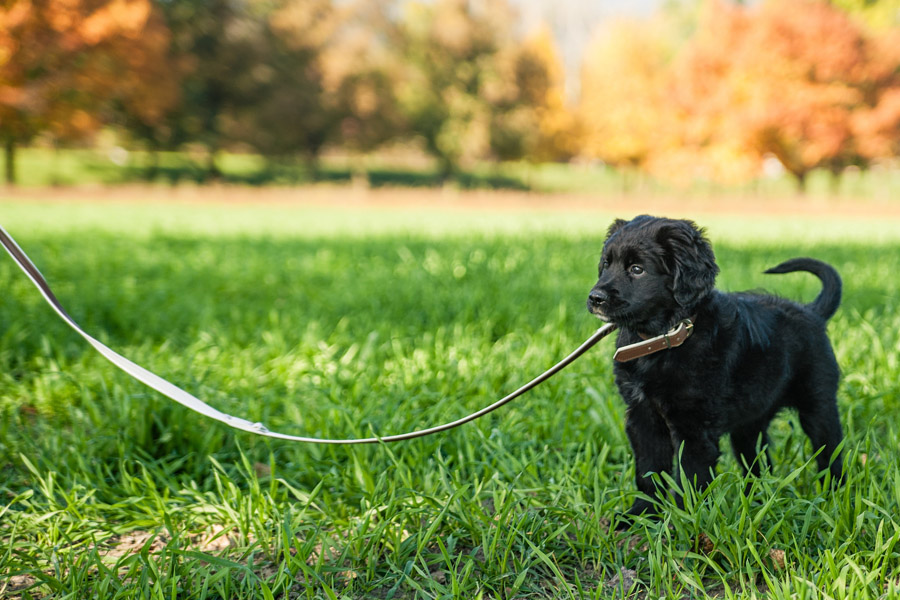
A city block becomes a map of mysteries. There is a story clinging to every hydrant and hedge, written in signals you cannot read but can respect. The puppy is your guide to this hidden atlas. You start to walk slower. You kneel to touch bark that is cooler on the shaded side. You wait while your companion listens to the silent ripple of a distant bicycle. A short loop gains topography and mood. A route you have walked a hundred times begins to feel like a new country each week.
These micro-adventures do not require a trailhead or a packed bag. They begin at the front door. The destination is not the park. The destination is the present, held at the length of a leash.
A World Written in Scent
Nose-reading dogs. They surf through the morning news like we do, but with soil and sunlight. Join their studies with simple games. Hide treats in the grass and let the nose lead. Spread meals on a snuffle mat and listen to focused foraging. Watch the little archaeologist work with a cardboard box of crumpled paper and kibble.
Scent games unlock calm for restless pups and patience for restless humans. Ten minutes of sniffing can soften the edges of a day. You learn to trust what you cannot see. You learn to step quietly while a nose navigates invisible paths.
Training as a Quiet Conversation
Timing, tone, and touch may make teaching sits and stays like spelling a language. Ask without demanding. Reward what you want more. You allow mistakes in learning. Most importantly, you listen. Lip-licking can indicate pressure. Yawns can indicate bewilderment. Stepping back might seek space.
Control becomes less important in training than clarity. You set up the room for simple selection. Your sessions are brief and successful. The puppy learns, and you teach. First delicate eye contact feels like a bridge between species.
Rituals That Sync With Sunlight
Puppies pull us back to the book of daylight. Dawn walks tune the body to cool air and birdsong. Dusk invites slower steps, streetlights, and the last check of the sky. Mealtimes have an anchor effect. Nap windows teach you about cycles of energy, when to play and when to pause.
These rituals do not trap you. They free you from the drift of always on. Even on busy days, a ten minute leash loop can rinse the brain. On quiet days, an hour in the park feels like an exhale shared with trees.
Designing a Nature-forward Home
Home may be open without becoming a wilderness. Create sun- and breeze-catching resting areas. Give the puppy a safe view from a window or balcony. Rotate toys to maintain novelty. Rubber, rope, fleece, and safe wood chews appeal to little explorers.
Enrichment need not be noisy. Observe small ripples and reflections in a window water bowl. High-shelf plants change the light. To protect curiosity, secure wires, store shoes, and use non-toxic vegetation. The goal is clear space. You want to sprinkle little reminders throughout the day.
Movement That Maps Your Neighborhood
The area is recorded by your feet over weeks. Where puddles and wind gather is revealed. You see the first and last cherry blossoms. Starling-filled streets and the hawk’s favorite lamp pole are visible. Exploring trails creates a path library. Staying urban teaches you the quiet hour when dog walkers and bakers rule walkways.
Movement makes a place feel like yours. It settles the body and orients the mind. For a puppy, it is the classroom. For you, it becomes a practice. The reward is the way a familiar corner can surprise you with a new scent or a slant of light you have never seen before.
Community, Softened
Puppy opens hingeless doors. Strangers grin. Neighbours stop. Shared weather and fur spark conversations. You discover new persons and companion names. Boundaries are learned. A wag isn’t consent. Stillness can rule out. You read welcomes like tides, respectfully going forward or back.
Socialization happens inside this gentle web. Short visits, wide arcs around crowded spaces, breaks when focus frays. Positive moments stack into a sturdy outlook. Your puppy’s world expands at a pace that keeps curiosity ahead of fear, and your own social landscape gains new paths.
The Gift of Imperfect Days
There will be chewed laces and late-night wakeups. There will be muddy paws at the wrong time and training cues that fall apart in real life. What grows is your capacity to repair. You swap frustration for a reset, set up the scene differently, try again with a calmer voice. Mistakes stop feeling like verdicts and start feeling like data.
This shift does not end with dogs. The patience you practice on the kitchen floor travels with you to calls, commutes, and family talk. The puppy is not your self-help book. The puppy is your practice partner in being human.
Joy That Needs No Reason
No puppy auditions for pleasure. Just run. Their tumble, gallop, and flop sound like a little grain sack. Their joy is infectious. You only need to be present. Your friend has decided to celebrate, so you giggle in the hallway or smile at a sunlit dust particle.
That bright thread tightens your bond to the living world. When you carry a leash, you carry a reminder that a patch of grass can be a festival and that a day can hold both wonder and work without conflict.
FAQ
How do I build presence during walks with a curious puppy?
Leave early so you are not rushing. Pocket the phone. Set a simple intention like follow the nose or practice loose leash for one block. Pause often without tugging the line. Match your breathing to your pace. Treat the walk as a sensory outing, not a fitness test, and let the puppy choose some of the route within safe limits.
What are simple nature-based enrichment ideas for apartments?
Use towel or snuffle mat fragrance activities like scatter feeding. Rotate safe textures like rubber toys and braided fabric. Build a window perch to watch people and clouds. Create a cardboard tunnel or box search with rewards. Schedule brief balcony or hallway observations if safe.
How much structure should a young puppy have each day?
Strive for rhythm, not timetable. Establish daily mealtimes, toilet breaks, short training sessions, and protected naps. Mix energetic activity with quiet chewing or smelling. Predictable patterns decrease stress, simplify learning, and allow for spontaneity and progress.
What is a gentle way to start training without overwhelming my pup?
Keep sessions under five minutes. Train in a quiet room. Reward tiny steps toward the behavior you want and end while the puppy still wants more. Use soft markers like yes or a click to capture success. Practice one cue at a time, then blend cues only when each is solid.
How can I stay patient during setbacks like accidents or chewing?
Prepare the environment so the right choice is easy. Supervise closely, use crates or gates for safe rests, and offer appropriate chews. When mistakes happen, clean up without drama and redirect to a better option. Track patterns to adjust timing and setup. Progress in puppyhood is uneven, and patience is part of the toolkit.
How do I safely introduce my puppy to parks and trails?
Beginning with brief visits during peaceful hours. Keep your dog away from new dogs and let it watch before greeting. Start with smooth areas, then add grass and gravel. Bring water, practise recalls on a long line if allowed, and leave while the mood is positive.
What if I do not have easy access to green spaces?
Make indoor time sensory. Play scent games, climb low, stable things, and move slowly in corridors on leashes. Find pet-friendly courtyards, tree-lined streets, and rooftops. Even in a small setting, attention and enrichment can nurture a puppy.