Key Takeaways
- A home’s age is an important clue, but it does not automatically mean a full rewire is necessary.
- Warm outlets, burning odors, repeated breaker trips, buzzing, and flickering lights should be evaluated promptly.
- Older wiring methods, missing grounding, damaged insulation, and poorly documented alterations can create safety concerns.
- An electrician can determine whether a targeted repair, partial rewire, panel update, or whole-home project is the appropriate solution.
- Future additions, including EV charging, heat pumps, pool equipment, and home offices, may require more capacity and dedicated circuits.
Orange County homes range from historic cottages and mid-century tract houses to recently renovated coastal properties. That variety means electrical systems can vary widely too. A house may have received careful updates over the decades, or it may still rely on aging circuits designed for far fewer appliances than a modern household uses.
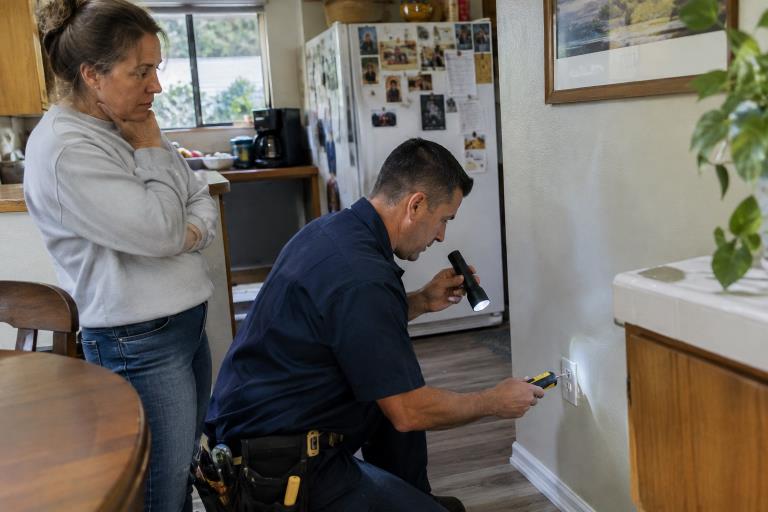
For homeowners considering whole home rewiring in Orange County, CA the first step is understanding what the current system is telling you. A professional assessment can identify whether the problem is isolated or whether the wiring, panel, grounding, and circuit layout need a more comprehensive plan.
Why Wiring Age Matters
Older homes were built for a different level of electrical demand. Today’s Orange County households may operate multiple computers, large kitchen appliances, air conditioning, laundry equipment, entertainment systems, smart-home devices, and electric vehicle chargers at the same time. A system that once worked adequately may no longer have enough circuits or capacity for the way the home is used.
Age alone is not a diagnosis. The U.S. Consumer Product Safety Commission’s guidance on home wiring hazards recommends particular attention when a home has not been inspected for decades, has been renovated, or has added substantial electrical loads. Inspection history, visible workmanship, and the condition of accessible wiring matter as much as the year a home was built.
Warning Signs To Watch For
Homeowners should not open walls or remove a panel cover to investigate electrical concerns. However, everyday warning signs can indicate that it is time to schedule an evaluation:
- Lights that dim or flicker when an appliance starts.
- Breakers that trip repeatedly.
- Warm, loose, cracked, or discolored outlets and switches.
- Buzzing, sizzling, crackling, or popping sounds.
- A burning smell near an outlet, wall, switch, or panel.
- Sparks when plugging in or unplugging a device.
- Frequent dependence on extension cords or power strips.
- Two-prong outlets where grounded equipment is regularly used.
One symptom does not necessarily mean the entire house needs rewiring. Repeated symptoms, multiple affected rooms, or signs of heat should be treated as reasons to call a qualified electrician before adding more devices to the circuit.
Older Wiring Types That Need Attention
Common conditions found in older homes
- Knob-and-tube wiring: This older method generally lacks the grounding conductor expected by many modern systems and may have insulation that has deteriorated with time.
- Aluminum branch wiring: Some homes built in the late 1960s and early 1970s used aluminum wiring. Connections require careful evaluation and approved repair methods.
- Cloth-covered wiring: The protective covering can become brittle or damaged after decades of heat and handling.
- Two-wire circuits: These circuits may not provide a grounding path for modern equipment.
- Unpermitted alterations: Piecemeal additions can leave crowded boxes, mixed wiring methods, or circuits that are difficult to identify.
Repair, Partial Rewire, Or Full Rewire?
The best solution depends on the scope and condition of the electrical system. This comparison helps clarify the usual options:
| Approach | Often Appropriate When | Typical Goal |
| Targeted repair | A single outlet, switch, connection, or circuit is damaged | Correct a specific problem |
| Partial rewire | Older or problematic circuits are limited to certain rooms | Update priority areas |
| Full rewire | Unsafe or outdated wiring is widespread throughout the home | Replace the system comprehensively |
A professional should consider insulation condition, grounding, service capacity, panel space, past alterations, and planned electrical loads before recommending any of these paths.
What An Electrical Inspection Should Cover
A thorough review may include the service size, panel condition, breakers or fuses, grounding and bonding, accessible attic or crawlspace wiring, junction boxes, visible splices, and signs of moisture, corrosion, rodents, or heat damage. It should also review outlet protection, dedicated circuits for major appliances, and any evidence of unsafe alterations.
The written findings should separate urgent hazards from recommended improvements. Homeowners should not remove service-panel covers or touch exposed conductors themselves.
Planning For Modern Power Needs
Electrical planning should look beyond today’s inconvenience. Consider what the home may need over the next five to ten years, including an EV charger, induction range, heat pump, pool equipment, workshop tools, additional refrigeration, or a dedicated home office. Planning circuit locations before walls are opened can reduce avoidable disruption later.
Electrical safety is also a fire-prevention issue. The National Fire Protection Association’s home electrical fire data estimates that U.S. fire departments responded to an annual average of 46,652 home electrical structure fires from 2020 through 2024. A system assessment is an opportunity to address hazards before they become emergencies.
How To Plan A Rewiring Project
- Schedule an electrical assessment and request a written scope of work.
- Confirm whether the recommendation involves a repair, partial rewire, or full rewire.
- Ask whether the panel or incoming service needs additional capacity.
- Review permit and inspection requirements for the property.
- Plan for temporary power interruptions and access to work areas.
- Discuss protection for floors, furniture, landscaping, and finished surfaces.
- Coordinate drywall access, patching, and paint repairs.
- Finalize outlet locations, lighting plans, appliance circuits, and future needs.
- Keep permits, inspection approvals, and final documentation for insurance and resale records.
What To Do When A Problem Looks Urgent
If an outlet is smoking, a wall has a burning odor, or an electrical panel feels hot, stop using the affected equipment and seek professional help immediately. If there is smoke or fire, leave the home and call emergency services. Do not repeatedly reset a breaker that trips immediately, install a higher-rated fuse, cover a damaged outlet, or use extension cords as a permanent solution for heavy appliances.
Questions To Ask Before Work Begins
- What evidence shows that this work is needed?
- Which existing circuits can safely remain in service?
- Will the panel, grounding, and available capacity be evaluated?
- Which permits and inspections are required?
- How will wall access and drywall repairs be handled?
- How long could power be unavailable during the work?
- What circuit protection and materials will be installed?
- Will final records be provided for future buyers or insurers?
Final Thoughts
Older wiring does not automatically make an Orange County home unsafe, but warning signs should never be ignored. The right inspection can reveal whether the home needs a small repair, an update to selected circuits, or a more extensive rewiring project. A thoughtful plan improves safety today while preparing the home for the way your household will live tomorrow.