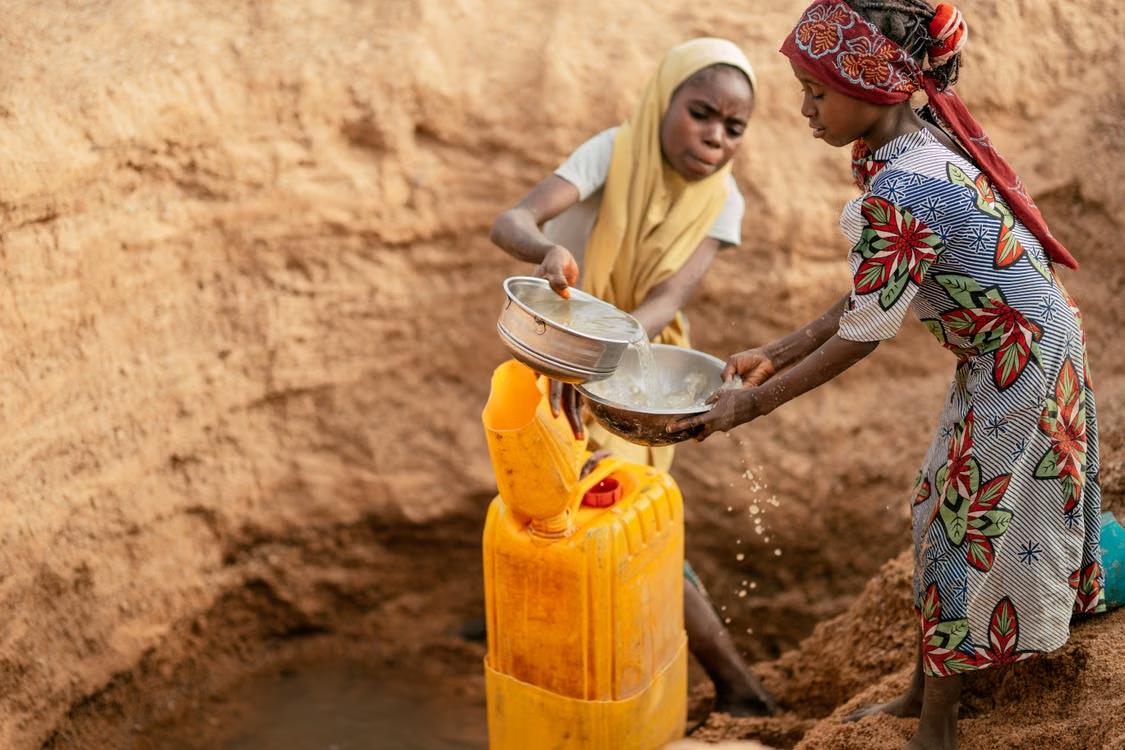
A parent reaches a water point only to find it broken. Children wait with containers while families decide whether to walk farther or use untested water. During conflict, that choice can affect a child’s health within days. Protecting water and sanitation in humanitarian crises is therefore about preventing disease, not simply restoring a daily convenience.
Why Does Access to Safe Water Collapse During Conflict?
Fighting can damage pipes, pumping stations, wells, and power supplies. Displaced families may reach crowded shelters with inadequate facilities.
Water may still be available but unsafe to drink. Broken sewage lines can contaminate supplies, while fuel shortages stop pumps and treatment equipment. Even collecting water can involve long walks through unsafe areas.
What Happens When Children Drink Contaminated Water?
Unsafe water can spread infections, including cholera and other diarrheal diseases. Young children face particular danger because diarrhea can lead to dehydration quickly. Repeated illness can disrupt nutrition and schooling.
In November 2026, UNICEF reported that documented attacks damaging water and sanitation systems during conflict had increased threefold between 2021 and 2025. Families remain at risk after the initial damage.
What Do Emergency Water and Hygiene Programs Provide?
Water, sanitation, and hygiene services are called WASH. Depending on local needs, WASH programs in emergencies can deliver treated drinking water, repair damaged water points, install temporary toilets, and distribute soap and water containers.
Teams test water quality and explain safe storage practices. They may install handwashing stations near shelters, schools, and clinics.
A tanker delivery can meet an urgent need. Repairing a community water system may provide a more reliable supply once conditions permit.
Why Do Toilets and Handwashing Facilities Matter?
Without safe toilets, human waste can reach water sources and spread disease. Facilities must be accessible, maintained, and placed where people can use them safely.
Private, well-lit toilets also matter for dignity and safety, especially for girls and women. In schools, working toilets and handwashing supplies can help children attend lessons comfortably.
Soap matters as much as a tap. Handwashing after using the toilet and before handling food reduces the risk of infections spreading.
How Do Aid Groups Keep These Services Running?
Delivering equipment is only the beginning. Tanks need cleaning, pumps need repairs, and soap and treatment chemicals need replenishing.
Local technicians and community committees can identify faults early and help organize maintenance. Aid groups also coordinate with health teams to respond when waterborne illness increases.
What Makes Water Assistance Difficult in Crisis Zones?
Insecurity may prevent workers from reaching damaged infrastructure. Restricted access, disrupted supply routes, and spare-parts shortages can delay repairs.
Families may move before construction is complete. Programs must adapt to changes in where people are living and how much water they need.
How Can Donors Help Protect Children’s Health?
Donations to organizations with established water and hygiene expertise can support water treatment, repairs, sanitation facilities, and ongoing maintenance. Read program descriptions and reports before contributing.
Children also need education, protection, and support for their families. War Child USA supports community-led work in these areas across conflict-affected countries. This work complements specialized water and sanitation assistance.
Conclusion
Clean water, safe toilets, and practical hygiene support help prevent illness when conflict disrupts essential services. Effective assistance combines supplies with maintenance and local expertise. Donors can contribute by choosing reliable organizations and supporting work that lasts beyond the first delivery.
Frequently Asked Questions
What does WASH stand for?
WASH means water, sanitation, and hygiene. The services work together to reduce exposure to disease.
Why is clean water urgent during conflict?
Damaged systems and displacement can leave families relying on unsafe sources. Children may become ill quickly if contaminated water spreads infection.
Can boiling water make it safe?
Boiling can kill many disease-causing germs when done correctly. It does not remove chemical contamination, so follow local public health guidance.
Why are toilets part of emergency health care?
Safe toilets help keep human waste away from living areas and drinking water. They also offer privacy and dignity.
What do hygiene kits usually contain?
Contents vary by setting. They may include soap, water containers, and other basic hygiene supplies.
Do emergency programs repair permanent water systems?
Some do when access, funding, and safety conditions allow. Others provide temporary supplies until repairs become possible.
How do organizations check drinking water safety?
Trained staff can test water quality and monitor treatment processes. They also inspect storage and distribution practices.
How can donors assess a water charity?
Review its program experience, financial reports, and follow-up plans. Look for evidence that communities can maintain the services.