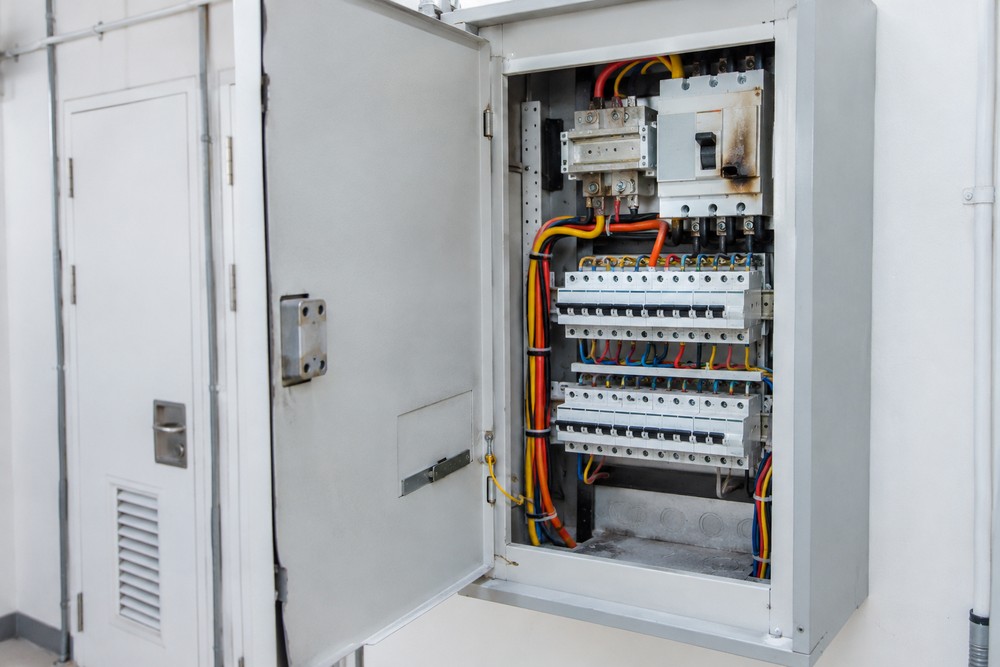
Electrical panels supply power to offices, shops, restaurants, and other commercial properties. Behind their covers are components that carry substantial electrical energy. A deteriorated connection, damaged breaker, or unsafe repair can turn routine maintenance into an emergency, sometimes producing intense heat without direct contact with a live wire.
Burn injuries involving these panels raise two sets of questions: how the electrical failure occurred and who had responsibility for preventing exposure. The answer may depend on the panel’s condition, the work being performed, and whether the injured person was an employee, contractor, or visitor.
An Arc Flash Can Burn Someone Without Direct Electrical Contact
An arc flash occurs when electric current travels through air between conductors or toward ground. OSHA explains that an arc can release extreme heat, bright light, and pressure. A nearby person may suffer thermal burns even without touching energized equipment.
Electrical shock is a separate hazard: current can pass through the body and damage internal tissues or disrupt heart rhythm. An incident can involve both mechanisms. Distinguishing them helps medical professionals evaluate the injury, and investigators determine whether a panel malfunction, contact, or unsafe procedure was involved.
Faulty Connections Can Turn Ordinary Panel Work Dangerous
Loose connections, damaged insulation, unsuitable components, and deterioration can contribute to electrical faults. Changes made during renovations may also raise questions about whether equipment was properly selected and installed. A breaker tripping repeatedly is a reason for qualified evaluation, not an invitation to bypass a protective device.
After an incident, an experienced Buffalo electrocution injury attorney from Towey Law, PLLC may review inspection histories and identify parties involved in panel installation or repair. A suspected defect is not proof of negligence; the relevant failure and its cause need technical examination.
Energized Maintenance Requires Specific Precautions
Testing or replacing components while a panel remains energized can expose a worker to arc-flash and shock hazards. OSHA’s 29 CFR 1910.333 generally requires deenergizing exposed live parts before work on or near them, subject to specified exceptions. The rule also addresses verifying deenergization and lockout or tagging.
A shutdown instruction alone does not necessarily establish that equipment is safe. Qualified personnel need appropriate procedures and testing. An investigation may ask why power remained on, who authorized the task, and whether a recognized exception actually applied.
Protective Equipment Cannot Replace Safe Work Practices
Electrical protective equipment may include arc-rated clothing, face and eye protection, and insulated gloves selected for the hazard. OSHA’s 29 CFR 1910.335 requires appropriate protection for exposed workers, including eye or face protection where arcs or electrical explosions present a danger.
Even effective equipment has limits. Inadequate coverage can expose hands, neck, or face to burns, while the force of an electrical event can create other injuries. Reviewing training, hazard assessments, and available protective equipment can help establish what precautions were used.
What Makes Commercial Electrical Rooms Different
Commercial buildings may have panels serving HVAC equipment, elevators, kitchens, lighting, and tenant spaces. A building owner may control the electrical room while tenants or service contractors arrange equipment work. That division can complicate questions about maintenance, access, and earlier warnings.
OSHA’s 29 CFR 1910.303 addresses suitable electrical installations, guarding of live parts, and safe working space. Buffalo’s building-code guidance identifies the 2023 National Electrical Code as part of the city’s electrical regulatory framework. Which rules govern a particular installation or alteration depends on its circumstances and timing.
Serious Burns May Extend Below the Skin
An electrical event can cause deep burns requiring hospital treatment, surgery, or rehabilitation. MedlinePlus explains that injuries involving current may affect muscles, nerves, and internal organs even when the skin injury appears limited. Arc-flash heat may also cause substantial surface burns without current passing through the body.
Electrical burns, breathing difficulties, or possible shock require emergency assessment. Medical documentation may include burn depth, affected body areas, procedures, and functional restrictions. Those findings matter more than attempting to estimate severity from a photograph.
Responsibility Depends on Control and the Cause of Failure
The owner, commercial tenant, electrical contractor, maintenance provider, or equipment manufacturer may have had different roles. A property manager might receive defect reports while a contractor performs repairs. A defective breaker raises different liability questions from an unauthorized change to an otherwise functioning panel.
Contracts, service records, permits, and expert findings may help identify a legally responsible party. OSHA rules regulate covered workplace activities, but a violation alone does not establish every element of a New York personal injury lawsuit. Duty, breach, causation, and damages require separate analysis.
Secure Evidence Without Approaching the Panel
After an electrical event, only authorized professionals should secure and inspect the equipment. An injured person must not reopen a damaged enclosure or try to reproduce the incident. Preserve existing records and request that responsible parties retain relevant information.
Useful materials include:
- Panel model, installation records, and circuit diagrams
- Prior overheating complaints and maintenance requests
- Work orders, permits, and inspection reports
- Incident photographs and available surveillance video
- Witness names and medical treatment documentation
Changes made during emergency repairs may affect the ability to reconstruct the failure, so contemporaneous records can be valuable.
Workers’ Compensation and Third-Party Claims Are Distinct
New York workers’ compensation generally provides eligible employees with benefits without requiring proof that their employer was negligent. Under Workers’ Compensation Law § 11, it is ordinarily the exclusive remedy against a covered employer, subject to exceptions.
Section 29 addresses actions against potentially responsible third parties. An injured electrical subcontractor, for instance, may need a different legal analysis from a customer injured near a faulty panel. New York CPLR 214(5) generally establishes a three-year period for ordinary personal injury lawsuits, subject to exceptions and different requirements for certain defendants.
Understanding the Failure Is Central to Recovery
A commercial electrical-panel incident can involve defective components, unsafe work methods, inadequate maintenance, or several contributing factors. It takes medical evidence to describe the harm and technical evidence to explain the electrical event.
Early care, preservation of records, and careful review of each party’s responsibilities can help injured Buffalo workers and visitors understand the options supported by the facts.