Most people meet their flood policy for the first time while standing in two inches of water, holding a phone in one hand and a flashlight in the other. That is a rough moment to learn how the coverage actually works, and it is also the moment when the decisions that shape the payout start getting made.
A flood claim is not a homeowners claim wearing different shoes. It runs on its own policy language, its own deadlines, and its own paperwork, and the adjuster who shows up is usually a flood specialist rather than the person who handled your last hail claim.
None of it is complicated once you see the sequence. What follows is the order the work actually happens in, from the first phone call to the final check.
Making the First Call Count
Report the loss to your insurer or agent before you do anything else, even if the water is still rising and you have no idea what the damage adds up to. The report starts the clock on everything downstream, and in a declared disaster it can unlock money fast: South Carolina’s emergency management division notes that NFIP policyholders can receive an advance payment of up to $5,000 on a flood claim without an adjuster visit or extra documentation.
Write down the claim number, the adjuster’s name, and the date of every conversation in one place. A notebook works as well as an app. Claims drag because nobody can reconstruct who promised what in week two.
Documenting Damage Before the Cleanup Starts
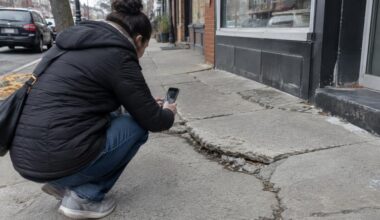
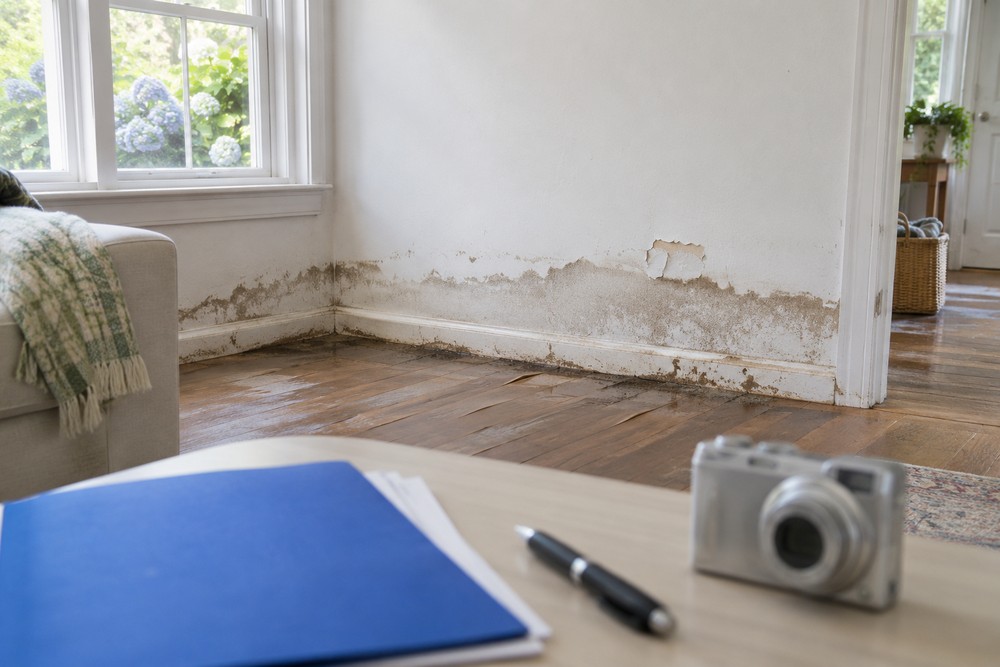
The instinct after a flood is to haul everything to the curb, and that instinct costs people money. Photograph and video every room before you move a single item, including the waterline on the walls, the underside of furniture, and the serial plates on appliances. Shoot wide for context, then close for detail.
Keep a sample of damaged flooring and a cut square of wet drywall, since adjusters often want material rather than a photo of it. Mechanical systems deserve particular attention, because a submerged furnace or air handler is rarely salvageable and replacement pricing depends on the model you lost, not on an average. If you were already planning a new heating and cooling system, the claim file and the contractor quote should match line for line.
Working With the Adjuster
The adjuster assigned to a flood loss works for the insurer, not for you, but that does not make the relationship adversarial. Walk the property together, point out what the camera missed, and hand over your inventory in writing. An adjuster who gets organized information early tends to write a more generous estimate, simply because less of the loss stays invisible.
Ask two questions on that visit: what the policy covers in a basement, and how contents are valued. Flood policies treat below-grade space narrowly, and most personal property settles at actual cash value rather than replacement cost.
Proof of Loss and the Paperwork That Follows
The proof of loss is the sworn statement of what you are claiming, and it is the document the insurer pays against. Review the adjuster’s estimate against your own list before signing anything, and raise discrepancies while the file is still open rather than after it closes. The Association of State Floodplain Managers keeps the standard policy forms and program guidance in one place, which is useful when a denial cites language you have never read.
Supplemental claims exist for a reason. Hidden damage surfaces weeks later, mold shows up behind a wall that looked fine, and a subfloor cups once it dries. Reopening a claim is normal, though the deadlines are real.
Building the Habit Before the Next Storm
The strongest claim is assembled before the water arrives. A yearly photo sweep of each room, receipts for major purchases saved to the cloud, and a current declarations page in the same folder turn a frantic week into an afternoon of paperwork. Coastal owners who want local help can start with flood insurance Myrtle Beach SC and work from an actual policy review rather than a guess.
Know your risk in plain numbers too. The U.S. Geological Survey points out that a home in the 1-percent annual chance floodplain carries roughly a 26 percent chance of flooding at least once during a thirty-year mortgage, which reframes flood coverage as a mortgage-length bet rather than a seasonal worry.
A flood claim rewards patience and punishes improvisation. The people who come out whole are rarely the ones with the best policy; they are the ones who called early, photographed everything, kept a log, and read the estimate line by line before signing it.
Nothing here takes special expertise, and all of it takes less time than arguing about a shortfall six months later. Set the folder up this week, while the house is dry.
Flood insurance is one of the few products you buy hoping never to use, and the version that works is the one you understood before the water came up the driveway.