Preventive plumbing care makes home upkeep easier because small signs get noticed before they become wet floors and rushed calls. A clear plan beats a late-night scramble. Residents handle visual checks, while a licensed plumber handles skilled work.
Know where water can be stopped in a hurry
The main shut-off valve matters most in a leak. Find it before water reaches the floor.
It is often near the water meter at the front boundary or inside a garage or laundry cupboard. Keep access clear of boxes, paint cans and cleaning gear. Show others the location. If the handle looks corroded or bent, ask a licensed plumber about safe emergency isolation.
Watch for trouble during normal routines. Dampness under a sink or a musty cupboard deserves attention. A rising bill without increased use can suggest hidden flow. Stay at ground level, away from wet wiring and swollen fittings.
Don’t force a stiff handle.
Ask a licensed plumber which valve controls the home and which control individual fixtures. That conversation can save precious minutes. Keep a note inside a cupboard door for guests. There’s no need to turn anything to prove a point.
If water sits near outlets or appliances, step back and keep clear. Don’t enter pooled water to reach a cord or switch. Call emergency help if safety is uncertain. People come before property.
Keep access clear for everyone at home
Labels help under stress. Tag the main valve and keep plumber contact details inside a kitchen cupboard. Show teens and renters the note. Clear access matters more than fancy tools and costs nothing to maintain. Small signs add up.
Give the hot water system professional attention
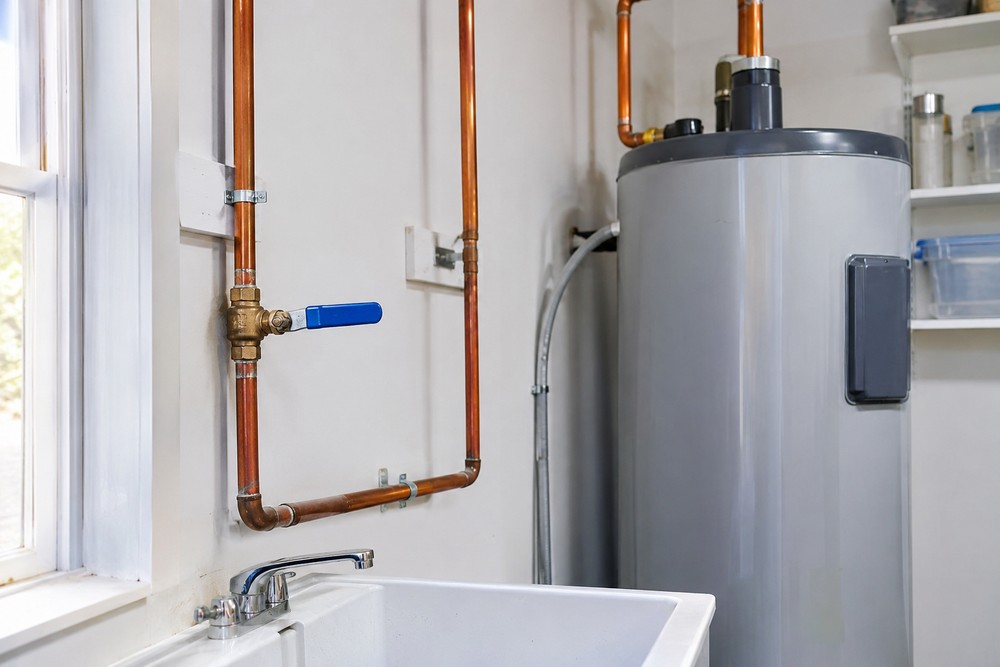
Hot water systems show wear in easily missed ways. Rust-colored water and temperature swings can indicate sediment or corrosion. A damp tray or rumbling during heating also deserves professional attention. Hard water and scale can shorten service life, so discuss water quality at the next visit.
Pressure relief valves and anode rods need qualified care. The valve releases excess pressure; the sacrificial anode slows tank corrosion. Neither is a DIY job. Don’t lift levers, remove covers or drain the tank. Gas models require a licensed plumber or gas-qualified technician familiar with the model and history.
Residents can keep notes and space clear. Look around the base from a normal standing position. Record water color or temperature changes lasting more than a day. Keep storage away so air circulates and leaks remain visible. Notes help technicians assess what sight alone cannot reveal.
Ask about service timing for the system’s age and history. A newer electric unit serving a small household differs from an older gas unit serving a large family. Bring previous bills and repair slips if available. Dated notes about noises and puddles give the technician a starting point.
Don’t open panels to investigate a smell.
If hot water runs out quickly or looks discolored, leave that tap unused for drinking and bathing pending a plumber’s assessment. Keep children away from hot discharge pipes and damp insulation. Wait rather than touch hot fittings.
Know when a quick look needs a licensed plumber
Visual habits help, but some jobs need a licensed plumber immediately. Pipe age and water quality affect risks that aren’t obvious. Previous drain blockages also guide checks. A planned visit brings those details into a home-specific maintenance list.
A sewer camera inspection can help when drains repeatedly slow. It reveals roots and pipe wear without excavation. Where suitable, trenchless repair fixes damage through small access points. An on-site assessment determines whether the soil, layout and pipe material suit that approach.
Homeowners handing off planning can use local licensed help such as plumbers in Adelaide for a visit tailored to the home’s age and history. Mixed clues, such as floor-drain odors and shower gurgles, warrant attention. A visit also helps before a sale or new lease. Dated service notes give buyers and renters confidence.
Respect skill limits. Don’t remove toilets or open walls to investigate dampness, or pour harsh cleaners into slow drains. Leave pressure components, gas equipment and buried lines to trained, insured professionals. A call means less hassle than a broken fitting at midnight.
Look at floors and notice cupboard odors.
Those observations catch issues while they’re still easy to describe. Record where and when signs appeared. Safe-distance photos also help the plumber arrive prepared.
Keep drains clear with small daily habits
Drains stay open longer when solids stay out. Strainers and hair catchers are inexpensive inserts for sinks and showers. Empty them into the trash after use. Wipe plates with paper before washing to keep grease and scraps out. That routine beats reaching for a bottle.
Grease and wipes cause blockages that build gradually. Cooling fat solidifies against pipe walls. Wipes resist breakdown and snag on rough spots. Keep both out of drains, regardless of flushability claims. A lidded bathroom trash can makes disposal easy.
Chemical cleaners can harm pipes, trap fumes and leave residue that complicates professional clearing. Report slow flow early rather than waiting for a complete blockage. Note the affected fixture and any bubbles or odor. These details help distinguish local problems from branch-line trouble.
Keep hair and soap cleanup at the surface. Remove visible hair with tissue and wipe shower bases and basin rims. Don’t insert tools or dismantle traps. If draining one fixture raises water in another, stop using that area and call for help.
For recurring blockages, ask about camera inspection rather than repeated plunging. Roots enter small joints, which can also shift with ground movement. Professional inspection helps distinguish cleaning needs from repairs. Dated blockage records support that decision and keep costs tied to need.
Catch silent leaks through bills and visual signs
Silent leaks show up as damp edges, rising bills or toilets running unexpectedly. Higher bills without extra guests or garden watering deserve attention. Unexpected meter-record usage offers another clue. A licensed plumber can explain the numbers without anyone touching risky fittings.
Toilet flappers that fail to seal waste water quietly. Listen for spontaneous tank refilling and watch for bowl ripples between flushes. A plumber can use dye to identify seal leaks. Don’t adjust internal parts or bend cistern arms. Notes about sounds and timing help.
Washing machine and dishwasher supply hoses stay under pressure and can fail suddenly. Watch for blistering or rusty ends where visible. Don’t move heavy appliances, which can strain cords and lines. Look from the front for damp floors, musty odors or warped baseboards. Keep access clear for servicing.
Meter readings can reveal hidden flow. Compare readings across a period without water use and share results with a licensed plumber. Avoid damaged or flooded meter boxes. Stay at ground level and use gloves for dirty lids. Buzzing or exposed wires mean stepping back.
Visual checks add context to numbers. Use a flashlight beneath sinks without moving stored bottles. Notice soft cabinet bases or dark rings around faucets. Can’t see inside a tight vanity? Take a flash photo from the doorway and enlarge it later, keeping hands away from clips and damp traps.
Tie outdoor checks and records into home upkeep
Outdoor plumbing affects indoor comfort. A seasonal calendar helps organize outdoor faucets, garden watering and roof drainage. Look for dripping faucets that stain walls or handles that feel loose. Persistently soggy beds near the house are another clue worth describing to a plumber.
Gutters and downpipes carry water away from walls and slabs. Leaves, balls or nests can obstruct them. Look up from ground level for overflow marks on fascia or plants in gutters. Avoid ladders because falls and roof damage can cost more than servicing. A technician or gutter service can clear debris and inspect joints safely.
Check irrigation as warm weather begins. Walk alongside the running system, noting sideways spray or dry zones. Record puddles near paths and beds that remain wet afterward. These observations help a technician adjust run times and repair cracked heads without excavating the whole yard.
Lower levels and flat blocks sometimes need extra drainage. Sump pumps lift water where gravity drainage isn’t enough. Power and water share the pit, so servicing belongs with professionals. Ask a licensed plumber about timing suited to the model and history. Keep the lid closed and surrounding space clear so warning sounds remain audible.
Keep service records together. Include dates, cleaned or replaced parts and photos of repairs and hot water system serial plates. For landlords and sellers, the file documents care clearly for buyers and agents. Let each visit guide the next service date according to age, use and local water conditions.
Good upkeep depends on rhythm. Monthly indoor walks and seasonal outdoor checks help reveal small problems. Notes and photos make calls and visits more productive. Licensed professionals handle camera inspections and hot water servicing without residents touching parts that could burn, flood or shock.
The division keeps upkeep manageable. Residents manage strainers, trash cans and visual checks. Professionals handle pressurized components, gas equipment and buried lines, along with work requiring tools. Plumbing stays in the background, where it belongs.