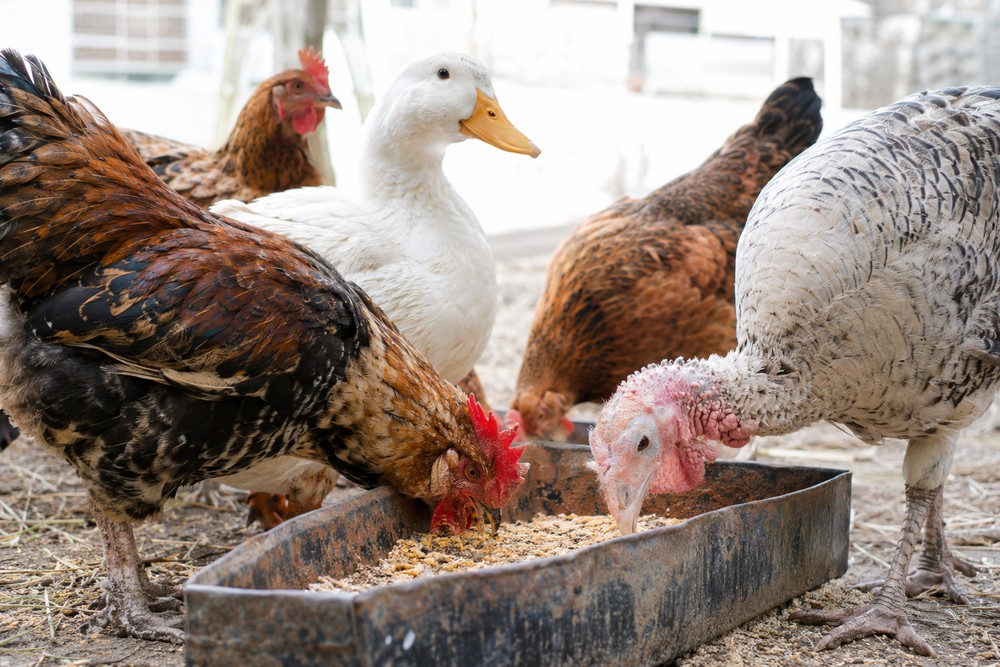
Selecting appropriate poultry feed requires more than simply grabbing a bag labeled “chicken feed” from the local store. Each species, chickens, ducks, and turkeys, has distinct nutritional requirements that change throughout their lifecycle, from newly hatched chicks to mature layers or meat birds. Understanding protein percentages, essential amino acids, and mineral ratios becomes crucial when aiming for peak health and productivity. Without this foundational knowledge, even well-intentioned keepers may inadvertently compromise their flock’s development and long-term vigor.
What Makes a Balanced Diet Essential for Healthy Poultry?
A balanced diet forms the foundation of poultry health, directly influencing growth rates, egg production, disease resistance, and overall flock well-being. Nutritional deficiencies compromise immune function, making birds susceptible to infections and parasites.
Inadequate protein stunts growth and reduces egg quality, while insufficient calcium causes weak shells and skeletal problems. Proper nutrition supports feather development, maintains ideal body temperature, and guarantees efficient feed conversion ratios.
Energy-dense feeds fuel daily activities and metabolic processes, whereas vitamins and minerals regulate enzymatic reactions and cellular functions. Imbalanced diets create metabolic disorders, including fatty liver syndrome and leg weakness.
Commercial feeds formulated for specific life stages, starter, grower, layer, or breeder, deliver precise nutrient ratios. These scientifically designed rations enhance performance while preventing nutritional diseases that diminish productivity and increase mortality rates.
Choosing the Right Poultry Feed for Chickens, Ducks, and Turkeys
Each poultry species requires distinct nutritional formulations tailored to their unique digestive systems and metabolic demands. Chickens thrive on feeds containing 16-20% protein, with laying hens needing additional calcium for strong eggshells. Starter feeds for chicks require higher protein levels (20-24%) to support rapid growth during early development.
Ducks need feeds with higher niacin content than chickens, as deficiency causes leg weakness and poor growth. Their bills and digestive systems are adapted for wetter feeds, making pelleted options particularly suitable. Protein requirements range from 18-20% for growing ducks.
Turkeys demand the highest protein levels among common poultry species, requiring 28% protein as poults and 20% as adults. Their larger size necessitates feeds fortified with additional vitamins and minerals to prevent developmental issues. Game bird feeds often meet turkey nutritional needs effectively.
Matching Feed Formulations to Growth Stages and Production Goals
Beyond species-specific requirements, poultry nutritional needs shift dramatically as birds progress through distinct life phases. Starter feeds contain 20-24% protein to support rapid chick development during the first 6-8 weeks. Grower formulations reduce protein to 16-18% while maintaining energy for steady weight gain. Layer feeds introduce 3-4% calcium for strong eggshell formation, typically starting at 16-18 weeks. Meat bird producers require high-protein finisher feeds (18-20%) to maximize weight gain before processing.
Breeding stock needs balanced nutrition supporting both egg production and fertility. Seasonal adjustments matter, birds require additional energy during cold weather to maintain body temperature. Production goals determine feed selection: commercial operations prioritize conversion efficiency, while backyard keepers may emphasize natural ingredients. Matching formulation to both developmental stage and intended purpose optimizes flock health and productivity.
Key Nutrients to Look for in Feed Ingredients and Labels
When examining poultry feed labels, protein content serves as the primary quality indicator, though the source matters as much as the percentage. Animal-based proteins like fish meal and meat meal offer superior amino acid profiles compared to plant-based alternatives. Calcium and phosphorus ratios require particular attention, with laying hens needing 3-4% calcium for strong eggshells, while growers require lower amounts to prevent kidney damage.
Essential nutrients include methionine and lysine, limiting amino acids that support feather development and muscle growth. Fat content should range between 3-5% for energy without causing obesity. Vitamin premixes must include A, D3, E, and B-complex vitamins. Quality feeds list specific ingredients rather than generic terms like “grain products.” Avoid feeds containing excessive fillers, artificial colors, or unidentified animal by-products.
Comparing Mash, Crumbles, and Pellets for Different Flock Needs
Poultry feed comes in three primary physical forms that directly impact consumption efficiency, waste rates, and bird development stages. Mash consists of finely ground ingredients mixed together, offering the most economical option. However, birds often scatter mash while eating, creating 15-30% waste. This form suits mature chickens that pick selectively for balanced nutrition.
Crumbles are pellets broken into smaller pieces, ideal for chicks and young birds. The particle size prevents choking while reducing waste to 5-10%. Crumbles bridge the gap between starter and grower phases effectively.
Pellets provide compressed, uniform pieces that minimize waste to under 5% and guarantee consistent nutrient intake per bite. They suit adult birds and commercial operations prioritizing feed conversion ratios. Pellets cost more but deliver superior efficiency for production-focused flocks.
Adjusting Feeding Routines for Seasonal Changes and Flock Health
Seasonal temperature fluctuations and environmental stressors demand systematic adjustments to poultry feeding programs throughout the year. During winter months, birds require increased caloric intake to maintain body temperature, necessitating energy-dense formulations with higher fat content.
Summer heat reduces appetite while increasing water consumption, requiring nutrient-concentrated feeds to compensate for decreased intake volumes. Molting periods require elevated protein levels, typically 18-20%, to support feather regeneration. Laying hens experiencing production declines benefit from calcium supplementation adjustments based on shell quality assessment.
During disease outbreaks or recovery periods, easily digestible feeds with added vitamins and electrolytes support immune function. Weather-related stress, predator disturbances, or flock introductions warrant temporary dietary modifications. Monitoring body condition scores, egg production rates, and feed conversion ratios enables precise timing of formula changes.
Proper Feed Storage and Feeding Practices for Long-Term Poultry Health
Even the most carefully formulated feeds lose nutritional value when stored improperly, undermining the dietary adjustments made for seasonal and health considerations. Store feed in airtight containers within cool, dry locations to prevent moisture accumulation, mold growth, and pest infestations. Purchase quantities that flocks will consume within four to six weeks, as vitamins degrade over time.
Elevate storage containers off ground surfaces to discourage rodents and facilitate air circulation. Inspect feed regularly for discoloration, unusual odors, or clumping that indicates spoilage. Clean feeders weekly to remove moldy residues and prevent disease transmission. Position feeding stations to minimize contamination from droppings while ensuring adequate access for all birds. Implement consistent feeding schedules that align with natural foraging patterns, typically providing fresh feed during early morning hours when poultry are most active.