Arizona’s intense sun, high heat, dust, wind, and seasonal storms can place heavy stress on a roof. These conditions can cause roofing materials to wear faster than they might in milder climates.
The right roofing system must manage heat while also standing up to wind and sudden heavy rain. Material choice, ventilation, insulation, and regular maintenance all play an important role.
Understanding these climate challenges helps homeowners and business owners make better choices when repairing, maintaining, or replacing a roof.
Intense Sunlight Speeds Up Roof Wear
Arizona roofs receive strong sunlight during much of the year. Ultraviolet rays can slowly break down roofing materials and cause them to lose strength.
Over time, shingles may fade, crack, curl, or become brittle. Some roof coatings and sealants may also begin to dry out or wear away.
Sun damage often happens slowly, so homeowners may not notice it at first. A roof can look normal from the ground even when the surface is starting to weaken.
The parts of a roof that receive the most direct sunlight may wear faster than shaded sections. Regular inspections help identify these differences before they become larger problems.
Choosing products designed to handle strong sun can also reduce long-term wear. Proper installation remains important because even durable materials will perform poorly if they are installed incorrectly.
Business Properties Require Specialized Care
Commercial roofing systems often differ from residential roofs. Many commercial buildings use flat or low-slope designs and have large open roof areas.
They may also contain air conditioning units, vents, pipes, solar equipment, and other roof features. Each opening or connection creates another area that needs proper sealing.
Owners considering experts like commercial roofing in Phoenix may want to focus on heat resistance, drainage, membrane condition, and rooftop equipment when planning maintenance or replacement.
Commercial properties may also face more disruption if a roof fails. Water damage can affect offices, stock, equipment, or normal business operations.
Regular inspections can reduce this risk. Keeping detailed roof maintenance records is also useful for larger commercial properties.
High Temperatures Can Stress Roofing Materials
Arizona heat can make roof surfaces much hotter than the surrounding air. This repeated exposure places stress on shingles, membranes, flashing, and sealants.
Roofing materials expand when they become hot and contract when temperatures fall. This constant movement can slowly weaken joints, fasteners, and seals.
Older roofs may be more likely to crack because the materials are no longer as flexible. Small gaps can then allow water to enter during seasonal storms.
Good installation helps roofing systems handle normal movement. Materials also need to be selected with high temperatures in mind.
Heat-resistant products may last longer and require fewer repairs. This makes climate an important part of any roof replacement decision.
Roof Color Can Affect Heat Absorption
Roof color can influence how much heat the surface absorbs. Darker surfaces often take in more heat, while lighter colors may reflect more sunlight.
This does not mean that every Arizona home needs a white or light-colored roof. Material type, building style, location, and energy goals should all be considered.
Some roofing products include reflective surfaces designed to reduce heat buildup. Roof coatings may also improve reflection on certain systems.
Reducing roof temperature can lower the amount of heat that reaches the attic. This may help the home stay more comfortable during long summer days.
A cooler surface may also reduce some heat-related stress on the roof. Homeowners should compare appearance, durability, cost, and heat performance before choosing a material.
Proper Attic Ventilation Matters
Attic ventilation plays an important role in Arizona homes. Without enough airflow, heat can build up under the roof.
The attic may become much hotter than the living areas below it. This trapped heat can place more stress on roof materials and increase the work required from the cooling system.
Vents help hot air escape while allowing cooler air to enter. The exact design depends on the home and the type of roof.
Blocked vents can reduce airflow. Insulation, dust, stored objects, or poor installation may prevent the system from working correctly.
A roofing or ventilation professional can check whether the attic has enough airflow. Good ventilation can support both roof durability and indoor comfort.
Insulation Helps Control Indoor Heat
Insulation works with ventilation to control how much heat enters the home. Without enough insulation, heat from the roof can move more easily into rooms below.
This may cause the air conditioning system to run longer. It can also make upper rooms difficult to keep comfortable during summer.
Check attic insulation for gaps, thin areas, moisture, or damage. Wet or compressed insulation may not work as well as material in good condition.
Adding insulation should not cover up an existing moisture problem. Leaks and ventilation issues need to be fixed first.
Proper insulation can reduce heat transfer and improve energy efficiency. It can also help indoor temperatures remain more stable when outdoor temperatures rise.
Monsoon Storms Can Cause Sudden Damage
Arizona is known for seasonal monsoon storms. These storms may bring heavy rain, strong winds, dust, and sudden changes in weather.
A roof that seems fine during dry months may show weaknesses when strong rain arrives. Small gaps around flashing or vents can quickly turn into leaks.
Strong winds may lift shingles, loosen roof edges, or move debris across the surface. Falling branches can create additional damage.
Heavy rain may also test drains and gutters that have not been used much during dry weather. Blocked drainage can cause water to collect in low areas.
Inspecting the roof before monsoon season gives homeowners time to correct these problems. A second inspection after a major storm can help catch new damage quickly.
Strong Wind Can Lift Roofing Materials
Wind is a major concern in exposed parts of Arizona. Strong gusts can get under loose roofing materials and begin lifting them.
Once part of the roof becomes loose, wind may damage a much larger section. Corners and edges often face especially strong pressure.
Check roof edges, flashing, fasteners, and shingles for signs of movement. Loose materials should be repaired before the next major storm.
Wind can also move branches, signs, and other outdoor items. These objects may strike the roof and cause damage that is not immediately visible.
Keeping nearby areas clear can reduce this risk. A properly secured roofing system is better prepared for sudden wind events.
Dust Can Affect Roof Performance
Dust is a regular part of Arizona weather. Over time, it can collect on roofs, around drains, and near rooftop equipment.
A small layer of dust may not create a serious problem. However, large amounts can mix with water and form heavy debris in low areas.
Dust may also block drains or slow water movement on flat roofs. This can increase the chance of standing water after a storm.
Rooftop air conditioning units and vents should also be checked for buildup. These areas need clear airflow and proper drainage.
Cleaning may sometimes be helpful, but it should be done carefully. Rough cleaning methods can damage certain roofing materials.
Heavy Rain Can Expose Weak Areas
Arizona is dry for much of the year, but heavy storms can produce a large amount of rain in a short period.
This can quickly reveal weak seams, old flashing, cracked sealants, or poor drainage. Problems that stayed hidden during dry weather may suddenly become obvious.
Water often enters around vents, skylights, chimneys, or roof edges. It may also find small cracks in flat roofing membranes.
After heavy rain, check ceilings and attic spaces for stains or damp areas. A musty smell may also point to hidden moisture.
Early repairs can prevent water from spreading into insulation, framing, or interior walls. Waiting may turn a small leak into a much larger repair.
Flat Roofs Need Good Drainage
Flat and low-slope roofs are common on many Arizona homes and commercial buildings. These systems depend heavily on effective drainage.
Water that remains on the surface after a storm can place extra stress on roofing materials. Standing water may also find small openings and worsen weak seams.
Drains, scuppers, and gutters should stay clear. Leaves, dust, branches, and other debris can prevent water from moving away.
After heavy rain, look for areas where water remains for a long time. Repeated ponding in the same spot may point to a slope or drainage problem.
A professional can help determine the cause. Good drainage is one of the most important parts of maintaining a flat roof.
Roof Coatings Can Add Protection
Some Arizona roofing systems may benefit from a protective coating. Certain coatings are designed to reflect sunlight and reduce surface heat.
They may also add another layer of protection against weather. This can be useful on some flat and low-slope roof systems.
However, coatings should not be used to hide serious roof damage. Wet insulation, major cracks, or badly damaged membranes usually need repair first.
The roof surface should also be properly prepared before a coating is applied. Poor preparation can reduce how well the product bonds.
A professional inspection can help determine whether coating is suitable. The right product should match both the roofing material and local conditions.
Material Choice Should Match the Climate
Roofing materials should be selected with Arizona weather in mind. Some products handle strong heat, sun, and sudden storms better than others.
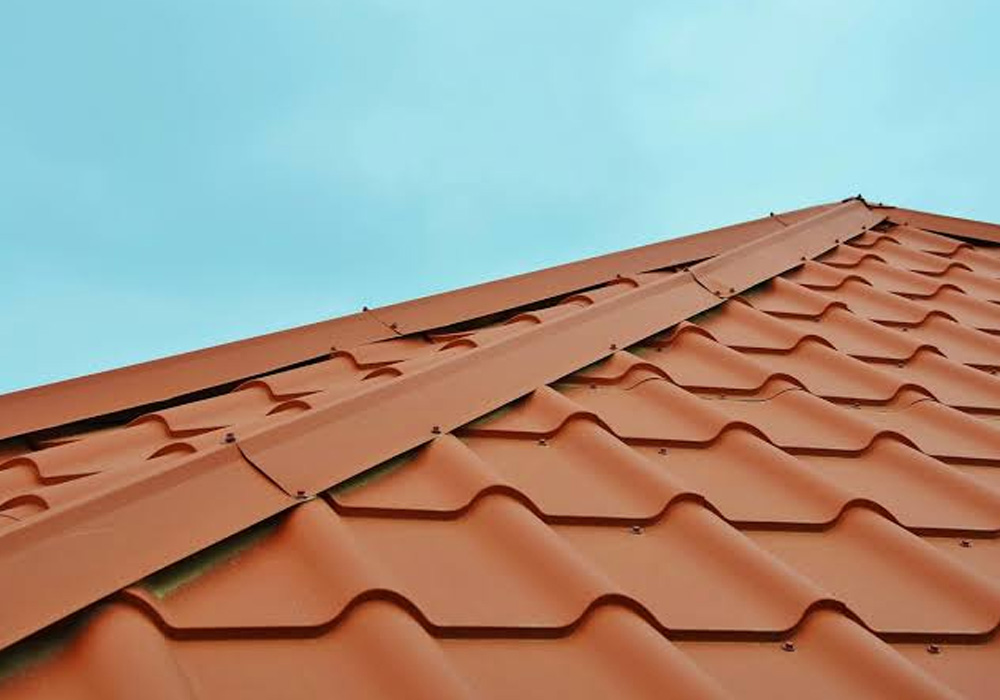
Tile, metal, shingles, and roofing membranes all have different strengths. Each option also comes with different costs, maintenance needs, and expected service life.
Tile can perform well in hot climates, but the roof structure must be able to support its weight. Metal may offer strong durability and reflectivity depending on the system.
Flat roofs often use membranes or coatings designed for low-slope surfaces. The correct choice depends on the building and drainage design.
Homeowners should compare more than the starting price. Long-term durability and repair needs can make a major difference in total cost.
Flashing Needs Extra Attention
Flashing is installed around roof edges, vents, chimneys, skylights, and other openings. Its job is to guide water away from vulnerable areas.
Strong Arizona heat can cause nearby sealants to dry out or crack. Metal flashing may also move slightly as temperatures change.
Wind can loosen weak sections, while rain can enter through small gaps. These problems are often easier to repair when they are found early.
Check for rust, lifting, cracked sealant, or missing fasteners. Pay special attention to areas that have leaked before.
Flashing represents a small part of the roof, but it protects many important joints. Regular checks can help prevent interior water damage.
Routine Inspections Can Prevent Bigger Repairs
A harsh climate makes roof inspections especially valuable. Small signs of wear often appear before a major leak develops.
Look for cracked materials, loose edges, damaged flashing, blocked drains, and worn coatings. Homeowners can check many of these areas from the ground.
Binoculars may help with a basic visual review. Steep or high roofs should be left to trained professionals.
An inspection before monsoon season can identify problems before heavy rain begins. Another inspection after severe weather may reveal new damage.
Keeping a record of inspections also makes it easier to track roof condition over time. This can help owners plan repairs or replacement before an emergency occurs.
Energy Efficiency Should Be Part of Roof Planning
Roof design can affect how much heat enters a building. Reflective surfaces, insulation, ventilation, and coatings may all help manage indoor temperature.
Reducing heat transfer can lower the demand placed on cooling equipment. This may improve comfort and help control energy use during hot months.
However, energy efficiency should not be the only factor when selecting roofing materials. A roof still needs strong weather resistance and good drainage.
Durability is also important because replacing a poorly suited roof can be costly. A balanced system should perform well in several areas.
Property owners should consider the roof as part of the building’s full energy system. Insulation, windows, ventilation, and air conditioning all work together.
Conclusion: Choose Roofing That Fits Arizona’s Climate
Arizona’s heat, sunlight, dust, wind, and storms can all shorten roof life. Choosing suitable materials and keeping the roof well maintained can reduce many common problems.
Regular inspections, good drainage, proper ventilation, and quick repairs all help. Planning around Arizona’s climate can protect the building and help the roof remain reliable for years.