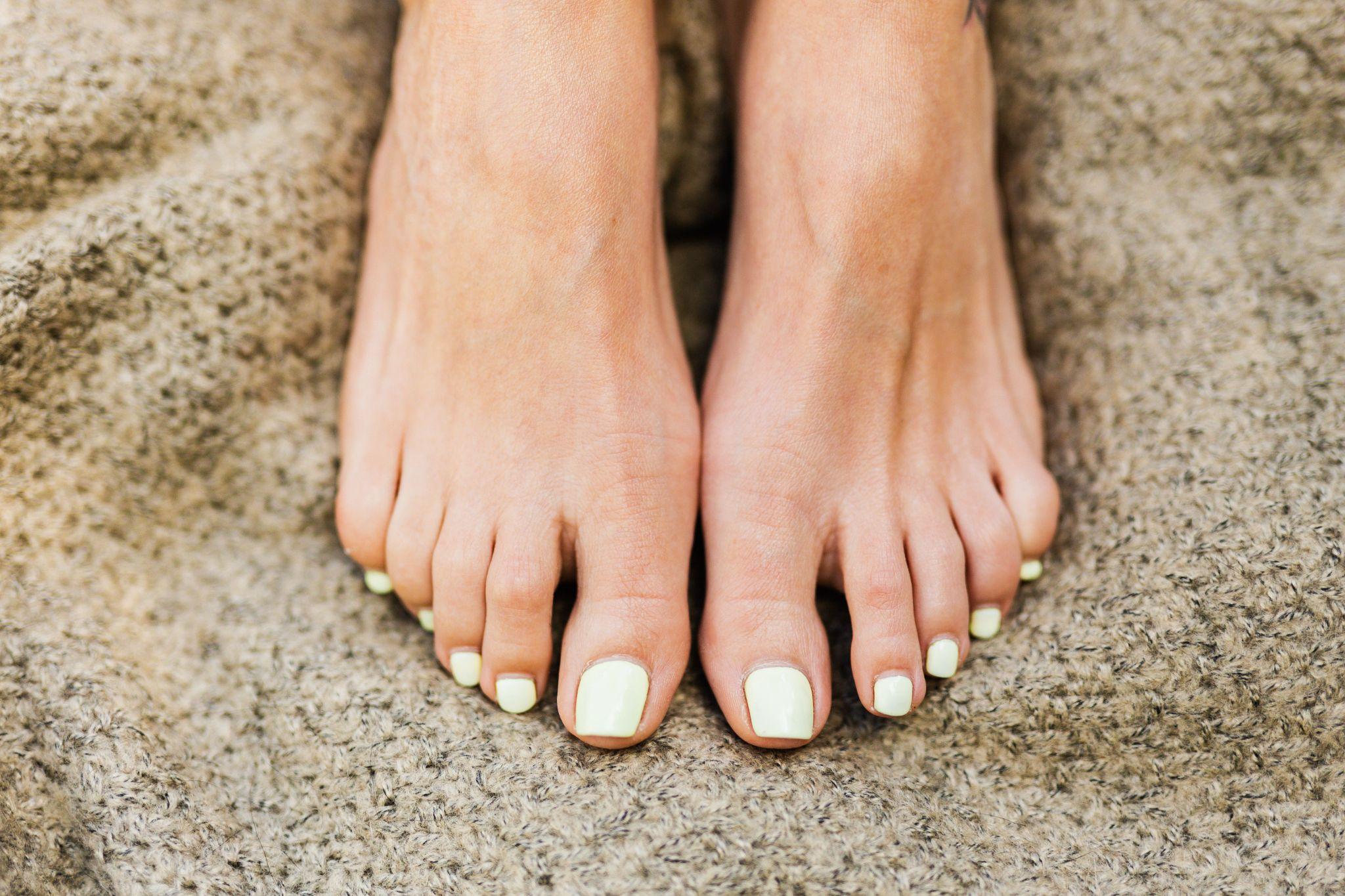
The skin on your feet takes a daily beating. Between the mechanical friction of walking, the pressure of carrying your entire body weight, and exposure to open-back shoes, heel skin is constantly under stress. When this heavy environmental friction meets a compromised skin barrier, the result is severely dry, calloused, and cracked heels.
Left untreated, these dry fissures eventually split open. This makes basic walking incredibly painful and significantly increases your risk of developing bacterial infections.
Most people reach for a standard body lotion to fix the problem. This is a massive mistake. Generic moisturisers evaporate quickly and completely lack the chemical power to penetrate the thick, rigid layers of dead skin on your feet. To repair cracked heels fast, you need functional skincare designed specifically for the plantar surface.
Why thick calluses form on the feet
The skin on the bottom of your feet is biologically distinct from the rest of your body. It has a significantly thicker stratum corneum—the outermost layer of the epidermis—specifically designed to absorb shock and protect your bones. Furthermore, because the soles of your feet lack sebaceous (oil) glands, they rely entirely on sweat glands to maintain moisture levels.
When you wear sandals, thongs, or walk barefoot around the house, the minimal moisture in your foot skin evaporates rapidly into the air. To protect itself from this ongoing friction and extreme moisture loss, the skin aggressively hardens and thickens, forming a dense callus.
Once this callus becomes too dry and brittle, the normal downward pressure of walking causes the rigid skin to snap. Fixing this structural damage requires more than just slapping on some generic hydration. You need a targeted formula that actively dissolves the hardened, dead skin cells while simultaneously sealing deep moisture back into the barrier.
The exact science of 25% Urea
In the clinical skincare world, treating hardened foot skin successfully comes down to one highly effective active ingredient: Urea.
Urea is a naturally occurring compound found within the skin. At lower concentrations of around 5%, it acts as a simple humectant, drawing moisture from the environment into the skin layers. But when formulated at high concentrations—specifically 25% Urea—it transforms into a powerful keratolytic agent.
This means it actively breaks down the tough protein bonds holding dead, calloused skin cells together.
“High-concentration Urea is the gold standard for treating severe heel fissures,” explains Dr. Sarah Jenkins, a clinical podiatrist. “It chemically exfoliates the thick, hyperkeratotic skin without the need for aggressive physical scrubbing, while simultaneously hydrating the healthy tissue underneath.”
When you apply a treatment containing 25% Urea, you chemically soften the hardened callus and force moisture back into the compromised barrier. This powerful dual action is exactly why high-quality clinical formulas deliver visible results in 1 day.
Finding the right formula for rapid repair
Not all foot creams offer the same level of repair. Formulations packed heavily with cheap petrolatum and mineral oil just sit on the surface of the skin. They make your feet slippery and dangerous to walk on without actually repairing the cellular damage below the surface. You need an intensive treatment that penetrates deeply and dries fast, leaving no greasy residue behind.
Australia’s harsh climate produces some of the most extreme dry skin conditions, which is why Australian-made functional skincare leads the global market in barrier repair. When dealing with deep fissures, you want a product that is dermatologically tested, entirely free from parabens, and clinically proven to work fast.
Finding a targeted heel balm is the deciding factor between weeks of frustration and seeing visible repair overnight. A dedicated intensive balm specifically formulated for damaged feet will contain the exact correct ratio of Urea, natural AHAs to aid surface exfoliation, and skin-conditioning ingredients like Vitamin E to soothe irritation. For those who hate getting heavy cream on their hands, modern roll-on applicator formats offer a mess-free alternative that still delivers clinical-strength active ingredients directly into the heel fissures.
A simple 1-day repair routine
Fixing cracked heels does not require an expensive, hour-long spa treatment. You can initiate serious barrier repair with a highly focused, three-step routine right before bed.
Start by washing your feet in lukewarm water to remove daily dirt and sweat. Avoid hot water, as it aggressively strips the remaining natural moisture from your compromised skin barrier. Pat the skin completely dry with a soft towel, paying special attention to the moisture hiding inside deep cracks.
Apply a generous, thick layer of your 25% Urea intensive balm directly onto the calloused areas. Massage it gently into the fissures and dry edges. The formula will absorb quickly and leave a protective, invisible barrier rather than a slick film.
Finally, put on a pair of clean, 100% cotton socks. The physical barrier of the sock traps your natural body heat, opens the pores slightly, and forces the active keratolytic ingredients deeper into the stratum corneum while you sleep. When you wake up, the thick calluses will be noticeably softer, and the cracked edges will be visibly sealed and repaired.
What to stop doing immediately
If you want to maintain healthy, intact skin on your feet long-term, you need to abandon a few common, highly damaging habits.
Stop aggressively filing your feet with metal cheese-grater tools or harsh pumice stones. While it feels satisfying in the moment to scrape away the dead skin, these rough tools easily tear the healthy, delicate tissue underneath. This triggers an emergency inflammatory response where your body rushes to protect the microscopic injuries by rapidly producing an even thicker, harder callus. Let the gentle chemical exfoliation of your Urea foot balm do the heavy lifting instead.
Avoid walking barefoot on hard indoor surfaces like tiles, concrete, and floorboards. This repetitive mechanical trauma accelerates the formation of hard skin. Always wear supportive, cushioned footwear indoors if you are prone to severe heel dryness.
Finally, do not ignore the early warning signs of dryness. A minor patch of white, flaky skin on the back of the heel quickly degrades into a deep, bleeding fissure if you neglect it. Treat the dryness the exact day it appears to prevent total structural skin failure.
The final verdict on functional foot care
Cracked heels are a frustrating and uncomfortable condition, but they are entirely reversible when treated correctly. You do not need to settle for thin, ineffective daily lotions or resort to damaging physical scraping methods to get smooth feet.
By switching to a clinically proven formula packed with high concentrations of Urea and applying it consistently, you give your skin the exact chemical tools it needs to repair itself. Protect the barrier, seal in the hydration, and you will see softer, healthier feet in a matter of hours.