You bite down and something feels off. A tooth shifts, your gums are sore, and every small movement makes you wonder if the tooth is going to come out. After a fall, sports hit, or other mouth injury, that fear is real, and getting help from a dental practice in Elizabeth, NJ can make all the difference. Loose teeth after trauma can feel minor for a few hours, then suddenly become all you can think about when you try to eat, talk, or sleep.
Dental splinting after an injury is one of the main ways a dentist helps protect a loose or displaced tooth while it heals. A splint is a small support that holds injured teeth in a more stable position for a set period of time. It does not “glue” the problem away. It gives the tooth, surrounding bone, and ligaments a chance to recover with less movement and less strain.
In many cases, quick care makes a real difference. Some injured teeth can be saved, but waiting too long can raise the risk of infection, root damage, or tooth loss. If a tooth feels loose after a hit to the mouth, an exam with a general and emergency dentist is the next step.
Loose teeth after trauma need support and close follow up
A tooth is not held in place by the visible crown alone. Under the gumline, it sits in bone and is connected by tiny ligament fibers. When you take a blow to the mouth, those structures can stretch, tear, or bruise. That is why a tooth may look intact but still feel unstable.
Some injuries involve a tooth that is only slightly mobile. Others involve a tooth that has shifted out of place, been pushed deeper into the socket, or partly come out. According to MedlinePlus guidance on dental injury, prompt treatment matters because injured teeth and surrounding tissues can worsen after the initial accident.
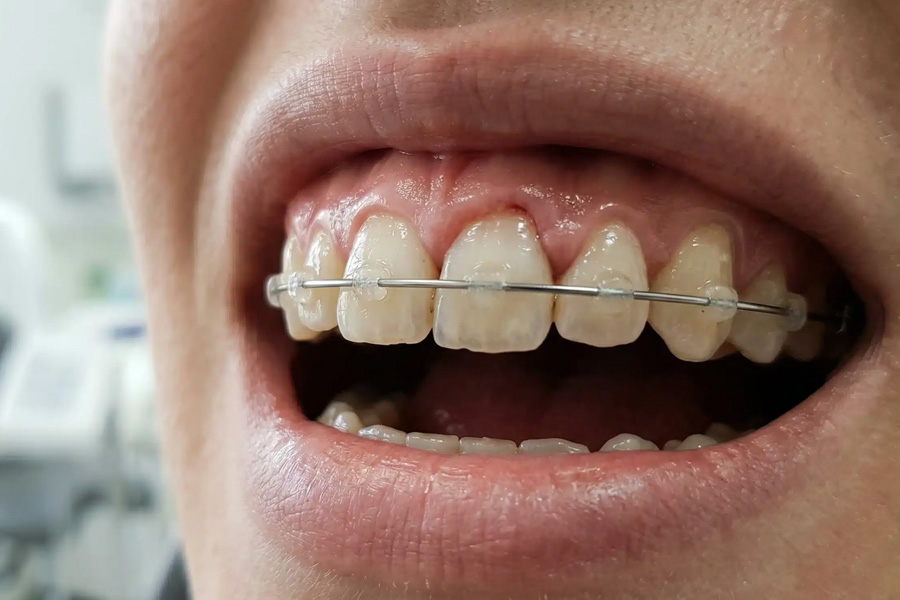
This is where tooth splinting after dental trauma comes in. A dentist may bond the injured tooth to nearby teeth using a small wire or flexible material and dental composite. The goal is controlled stability. Too much movement can interrupt healing. Too rigid a support is not always ideal either, because the tissues around the tooth often heal better with a flexible splint that allows slight functional movement.
You may also need X rays, a bite check, and pulp testing. A loose tooth is not just a loose tooth. There may be a root fracture, bone injury, gum laceration, or damage to the nerve inside the tooth. A dentist is looking at all of that, not just whether the tooth wiggles.
Dental splints are temporary supports, not permanent fixes
People often assume a splint means the tooth is permanently repaired on the same day. That is rarely how this works. The splint is usually temporary. It protects the tooth during healing, then the dentist removes it and checks whether the tooth has stabilized on its own.
The timing depends on the injury. Some teeth need splinting for a short period, while more severe injuries need longer support. The NCBI review of tooth luxation injuries explains that management depends on the type of displacement, the condition of the root, and the health of the surrounding tissues. In plain terms, two people can both have “loose teeth” and still need very different treatment plans.
You may also need a soft food diet, pain control, and careful cleaning around the area. If you ignore those instructions, the splint alone cannot do all the work. Healing depends on reducing pressure and keeping the area clean while the tissues repair themselves.
Professional splinting is safer than trying to stabilize a tooth at home
When a tooth feels mobile, it is tempting to press it back into place, avoid care, or search for a home fix. That can make the injury worse. A tooth that seems only loose may actually be displaced or fractured, and extra pressure can damage the ligament, root, or blood supply.
| Approach | What It Involves | Main Risk | Likely Benefit |
| Ignoring the tooth | Waiting to see if it tightens on its own | Missed fracture, infection, worsening mobility | None if the injury is significant |
| Trying to stabilize it at home | Pressing on the tooth, using household materials, changing your bite | More trauma, contamination, delayed proper treatment | Very limited and unreliable |
| Professional splinting loose teeth | Dental exam, imaging, repositioning if needed, bonded splint, follow up care | Normal treatment limits such as need for later root canal or further care | Better stability and a stronger chance of healing |
Aftercare matters as much as the splint itself. The University of Washington patient instructions for splinted teeth recommend soft foods, careful brushing, and follow up visits. That sounds simple until you are the one trying not to bite into your usual lunch or brush around a sore area without flinching. Still, those small choices protect the healing tooth every day.
What you can do right away after a dental injury
- Get examined as soon as possible. If a tooth is loose, shifted, painful to bite on, or bleeding around the gums, contact a general and emergency dentist. The sooner the tooth is evaluated, the easier it is to decide whether repositioning, splinting, or another treatment is needed.
- Keep pressure off the injured area. Eat soft foods, chew on the other side if you can, and do not test the tooth with your tongue or fingers. People do this without thinking because they are anxious and checking whether it still moves. Repeated movement can slow healing.
- Follow the aftercare plan exactly. Take any prescribed medicine as directed, keep the area clean, and show up for follow up visits. A splinted tooth may look better before it is fully healed. That is why monitoring matters. Some injured teeth later need root canal treatment, even when the tooth was saved and stabilized at the start.
Early treatment gives injured teeth a better chance to heal
A loose tooth after an accident can leave you rattled for days. Eating feels risky, sleep is lighter, and every little sensation gets your attention. That reaction makes sense. Mouth injuries are disruptive, and they deserve prompt care.
Dental splinting after an injury gives an unstable tooth the support it needs while the surrounding tissues recover. If your tooth feels loose, out of place, or painful after a hit to the mouth, contact a general and emergency dentist right away for an evaluation and a treatment plan that fits the injury.