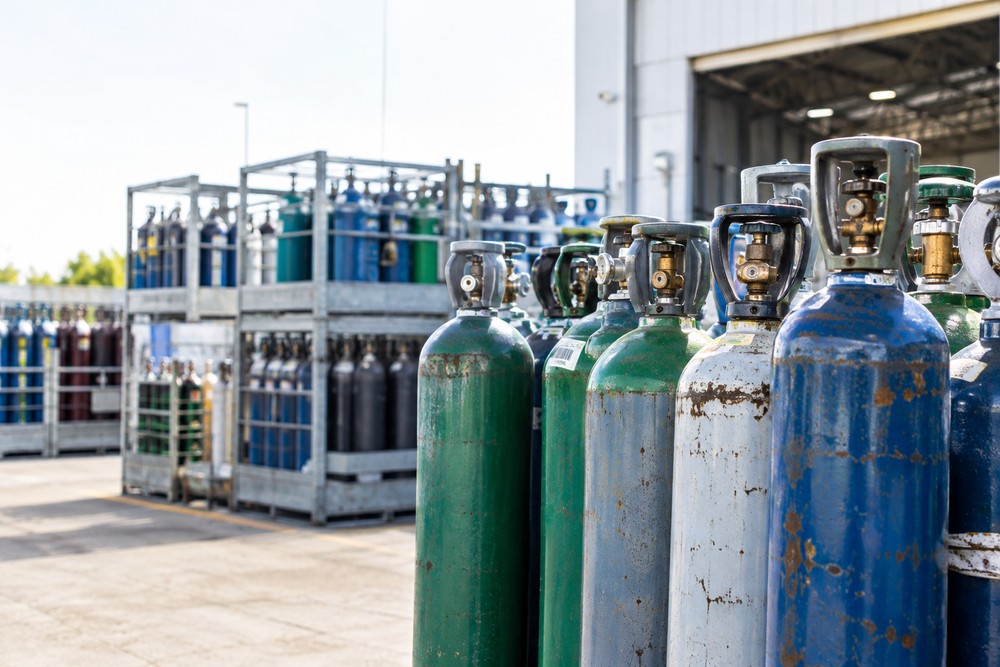
Procurement teams play a pivotal role in ensuring that organisations obtain the best possible goods and services from their suppliers. Their decisions have a significant impact on operational efficiency, cost management, and overall business success. When selecting suppliers, especially in the industrial sector, procurement teams assess multiple criteria to ensure alignment with business objectives and quality standards. Companies like Coregas Australia demonstrate the critical attributes procurement teams seek in their suppliers within the industrial gases market.
Reliability and Consistency
Reliability is one of the foremost factors procurement teams evaluate in potential suppliers. This includes the supplier’s ability to deliver products consistently on time and in the agreed quantities. Delays or inconsistent delivery can disrupt production schedules and lead to increased operational costs. Suppliers with proven track records of dependable service, such as Coregas Australia, are favoured for their reliability.
Quality of Products
High-quality products are essential to maintain safety standards and ensure optimal performance in industrial applications. Procurement teams rigorously assess the quality assurance processes employed by suppliers. For instance, when sourcing specialised gases like oxy acetylene or mig welding gas, quality directly impacts welding strength and operational safety. Consistency in product quality reduces defects and enhances the efficiency of industrial processes.
Compliance with Safety and Regulatory Standards
Suppliers must adhere to relevant safety and regulatory standards, especially when providing industrial gases and chemicals. Procurement teams ensure that suppliers comply with national and international regulations to mitigate any legal or operational risks. Documentation and certifications verifying compliance are typically requested and thoroughly reviewed during supplier qualification.
Competitive Pricing
Procurement teams are tasked with optimising costs while maintaining quality. Therefore, pricing competitiveness is a critical selection factor. However, lowest price alone is insufficient; the total cost of ownership, including delivery fees, service levels, and potential downtime costs, is factored into evaluation. Suppliers that offer transparent and fair pricing models aligned with service quality stand out in the procurement process.
Technical Expertise and Support
Industrial procurement often involves complex products requiring technical knowledge. Procurement teams value suppliers that provide not only products but also expert advice, technical support, and training. This ensures end-users understand product applications and leverage the full benefits safely and effectively. For example, suppliers able to advise on effective usage of welding gases or industrial cylinders add substantial value.
Sustainability and Environmental Responsibility
Increasingly, procurement teams prioritise suppliers committed to sustainability. Environmentally conscious practices, waste reduction, and sustainable sourcing resonate with corporate social responsibility goals. Suppliers demonstrating eco-friendly operations and product stewardship are preferred, supporting businesses in minimising their environmental impact.
Financial Stability
The financial health of suppliers is a key consideration for procurement teams. Financial stability ensures that suppliers can sustain operations, invest in quality improvements, and endure market fluctuations. This reduces the risk of supply chain disruptions caused by supplier insolvency or operational failures.
Geographical Reach and Logistics Capabilities
Procurement teams also evaluate the logistical capabilities of suppliers, including their ability to deliver across required locations promptly. A supplier like Coregas Australia with a nationwide distribution network ensures availability and convenience, particularly for industries spread across multiple sites. Efficient logistics reduce lead times and inventory holding costs.
Innovative Solutions
Innovation in products and services is a significant advantage. Suppliers who continuously evolve their offerings to meet emerging industry needs or improve operational efficiencies are highly sought after. Procurement teams look for partners that can contribute to process optimisation through innovative supplies or technologies.
Strong Communication and Relationship Management
Effective communication underpins successful supplier relationships. Procurement teams prioritise suppliers that maintain transparent, responsive, and professional communication channels. Establishing trust and open dialogue facilitates issue resolution and long-term collaboration.
Risk Mitigation Strategies
Procurement teams assess how suppliers manage risks related to supply interruptions, quality failures, and regulatory compliance. Contingency plans, backup supplies, and proactive monitoring mechanisms are indicators of robust risk management.
Flexibility and Customisation
Flexibility to accommodate unique client requirements, such as tailored gas mixtures or customised delivery schedules, is valuable. Suppliers willing to adapt to specific needs and collaborate on solutions are more advantageous for procurement teams managing diverse operational demands.
Supplier Reputation and References
Reputation and industry standing influence procurement decisions. Positive references, testimonials, and long-standing partnerships provide assurances of supplier reliability and quality. Procurement teams often conduct due diligence, including checking past client feedback and supplier performance metrics.
Technological Integration
The ability of suppliers to integrate with enterprise procurement platforms or to provide digital tools for order management and tracking is increasingly important. Such capabilities enhance transparency and streamline procurement workflows.
After-Sales Service and Support
Post-delivery service such as maintenance, training, or emergency support is critical, particularly for specialised industrial products. Procurement teams favour suppliers offering comprehensive after-sales care to ensure continuous operational efficiency and safety.
In conclusion, procurement teams employ a multi-faceted evaluation process when selecting suppliers within industrial procurement. Key factors include reliability, product quality, compliance, pricing, expertise, sustainability, financial stability, logistics, innovation, communication, risk management, flexibility, reputation, technology, and after-sales service. By addressing these criteria, suppliers such as Coregas Australia consistently meet the stringent demands of industrial customers, fostering successful long-term partnerships.