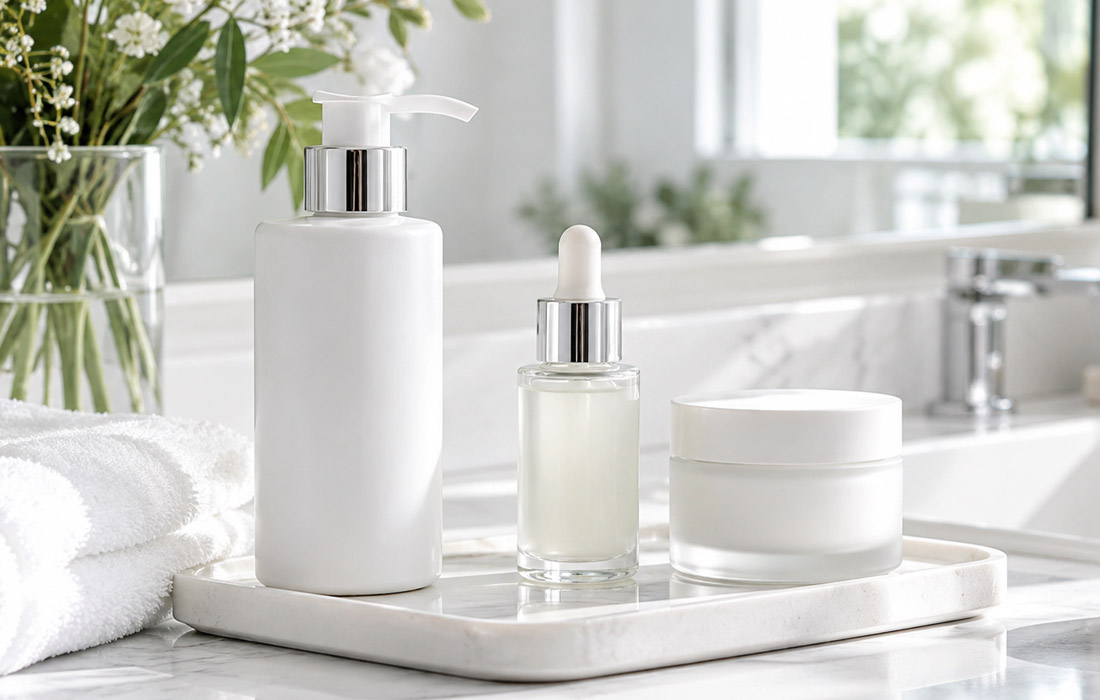
A skincare product can have a well-made formula and still disappoint customers if it is difficult to use. People notice much more than ingredients. They notice how a lotion spreads, whether a pump works properly, how strong the scent feels, and whether the product leaves a comfortable finish.
Brands exploring private label skin care should think about these small details before production begins. Manufacturers such as Rainshadow Labs can help bring products into production, but the final experience also depends on the choices made around texture, packaging, directions, and daily use.
Here are eight details that can shape how customers feel about a skincare product.
1. The First Feel of the Formula
The first few seconds after application can influence how a customer judges a product.
A moisturizer may feel smooth and light, while another may feel thick or rich. Neither texture is automatically better. The right choice depends on the person using it and the purpose of the product.
For example, someone looking for a daytime face cream may prefer something that spreads easily and settles quickly. A heavier body cream may be expected to feel richer.
Brands should think about the intended use before approving a texture.
The product should feel appropriate for the routine rather than simply interesting during sampling.
2. How Easily the Product Dispenses
A good formula can become frustrating if customers struggle to get it out of the package.
Dispensing depends on both the product and the container.
A thick cream may move slowly through a small pump. A thin liquid may come out too quickly from a wide opening. A jar may work well for one product but feel messy for another.
Brands should test the actual formula with the intended packaging whenever possible.
Try the product several times. Check how much comes out with one pump or squeeze. Notice whether the container becomes messy around the opening.
These small issues may seem minor during development, but customers experience them every time they use the product.
3. The Amount Needed Per Use
Customers also notice how much product they need.
If a lotion requires a large amount to cover a small area, the container may empty faster than expected. If a serum is concentrated and only a small amount is needed, the instructions should make that clear.
The recommended amount should match the formula and package.
This can also affect container size.
A 30 ml product may last a reasonable amount of time if only a small amount is used per application. The same size may feel too small for a product that is applied generously.
Testing real use can help brands understand whether the package size makes sense.
4. Scent During and After Use
Scent can shape the customer experience even when fragrance is not the main feature of a product.
Some people enjoy noticeable scents. Others prefer something very light or nearly fragrance-free.
Brands should think about both the strength and duration of the scent.
A product may smell pleasant in the container but feel too strong when applied across the face or body. The scent may also change as the product sits on the skin.
Sampling should include normal use, not just smelling the product from the package.
For private label skin care products, this is especially useful when comparing several formulas for the same product category. Small differences in scent can change how the product fits the intended customer.
5. How the Product Feels After Application
The customer experience does not end once the formula has been spread.
What happens five or ten minutes later also matters.
A moisturizer may absorb quickly or leave a noticeable layer. A body lotion may feel smooth at first but become sticky. A serum may work well alone but feel uncomfortable when layered with another product.
Brands should test products in realistic routines.
If the customer is likely to apply moisturizer after serum, try the products together. If a body lotion is meant for daily use, see how it feels after getting dressed.
This kind of testing can reveal issues that are easy to miss when each product is judged alone.
6. Container Size and Handling
Packaging should be easy to hold, open, close, and store.
Very large containers can be awkward for small bathroom shelves. Small jars may be difficult to use if the opening is too narrow. Smooth bottles can become slippery when used with wet hands.
Think about where and how the customer will use the product.
A shower product needs packaging that works around water. A travel-size item should be easy to pack. A facial product used twice a day should be simple to open and close.
Rainshadow Labs and other skincare manufacturers may offer different packaging options, but the brand should still review how the final package feels in everyday use.
Appearance matters, but function matters every day after the sale.
7. Clear Directions for Use
Customers should not have to guess how to use a product.
Directions should explain the basics in simple language.
That may include when to apply the product, how much to use, and where it belongs in a routine.
For example, a product may need to be applied after cleansing. Another may be used only in certain areas. A body cream may work best after bathing.
Clear directions reduce confusion.
They can also help customers use the product in the way the brand intended.
Avoid making instructions unnecessarily long. The most useful directions are easy to scan and understand.
8. Everyday Storage and Convenience
Storage is another part of the customer experience that can be overlooked.
Most people keep skincare products in bathrooms, bedrooms, travel bags, drawers, or cabinets. Packaging should fit those normal situations.
A tall bottle that tips easily can become annoying. A loose cap can create leaks. A container that cannot stand upright may be difficult to store.
Brands should also consider whether the package stays clean during repeated use.
Test the product over several days rather than only once. Open it, close it, carry it, place it on a shelf, and use it with slightly damp hands.
Repeated use often reveals practical problems that a single sample test does not show.
Look at the Product as a Full Experience
Formula quality matters, but it is only one part of the finished product.
Customers experience the formula, package, scent, directions, and routine together.
A useful review is to pretend the product has just arrived in the mail. Open it without relying on development notes. Read the label. Dispense the formula. Apply it as directed. Store it where a customer probably would.
This can reveal simple problems.
The pump may release too much product. The label may be hard to read. The container may be awkward to handle. The directions may leave an important question unanswered.
Fixing these details before production can improve the product without changing its main concept.
Conclusion
Customers judge skincare products through repeated daily use. Texture, dispensing, scent, package size, directions, and storage can all affect whether a product feels convenient and pleasant.
Brands should test each product as a complete experience rather than focusing only on the formula.
Using the product in realistic conditions can reveal small issues before they reach customers. Those details may not seem dramatic during development, but they often shape how people feel about the product after the first few uses.