Key Value Drivers in Fine Jewelry and Luxury Watches
Fine jewelry and luxury watches are more than just beautiful accessories. They combine artistry, precise engineering, and lasting value. Many see them as real assets that can grow in worth over time. They offer both visual appeal and financial stability.
Their value comes from a rich history of watchmaking, rare materials, and unmatched skill. Think of a complex watch movement or sparkling gemstones. A unique piece, like custom engagement rings and bands, can also hold deep personal meaning and lasting value.
In this guide, we will explore what makes these items so expensive. We will look at key factors like materials and design history. We will also cover the important role of the certified pre-owned market and new trends. Finally, we will share crucial tips for first-time buyers to make smart investments in these timeless treasures.
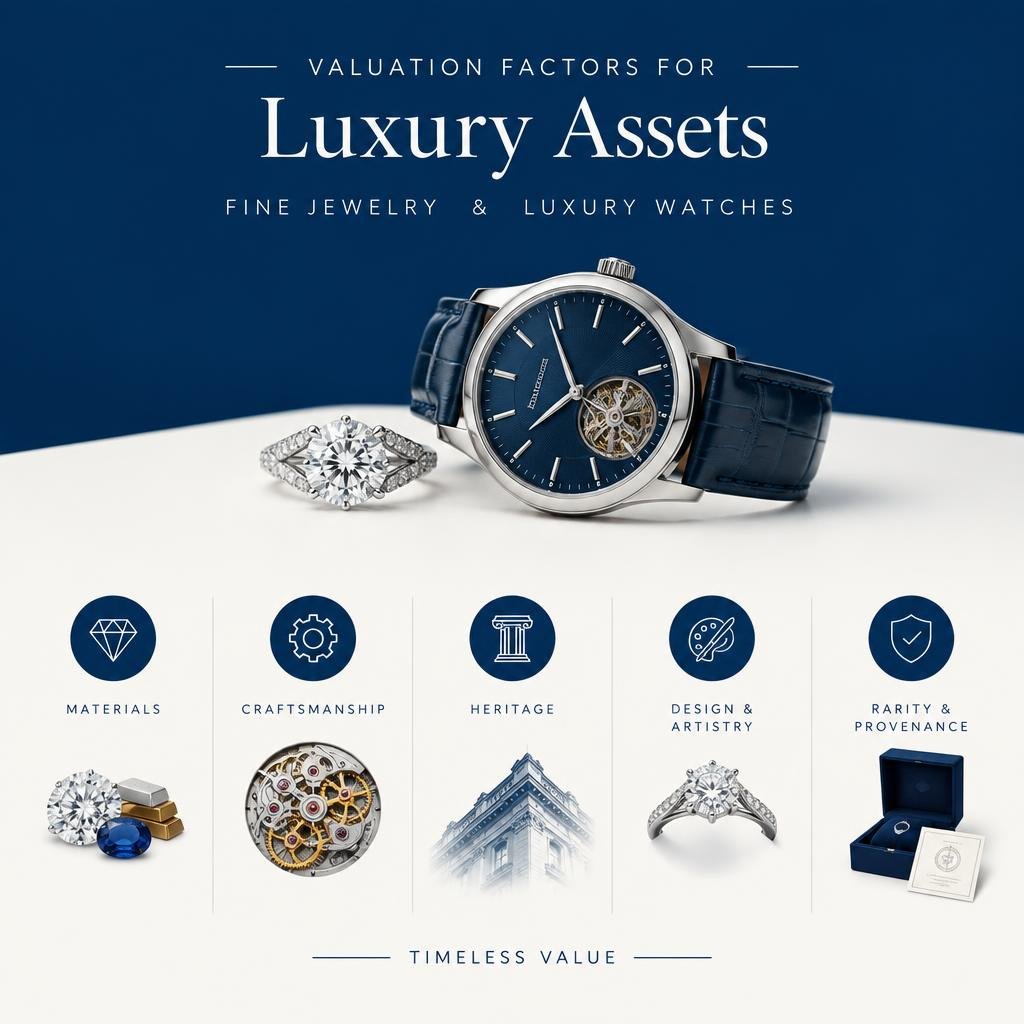
The allure of fine jewelry and luxury watches stems from a confluence of factors that elevate them beyond mere accessories to cherished heirlooms and tangible assets. Their high price points are not arbitrary; they reflect unparalleled craftsmanship, the rarity of materials, and a rich heritage that often spans centuries. Understanding these defining characteristics is crucial for any discerning buyer or collector.
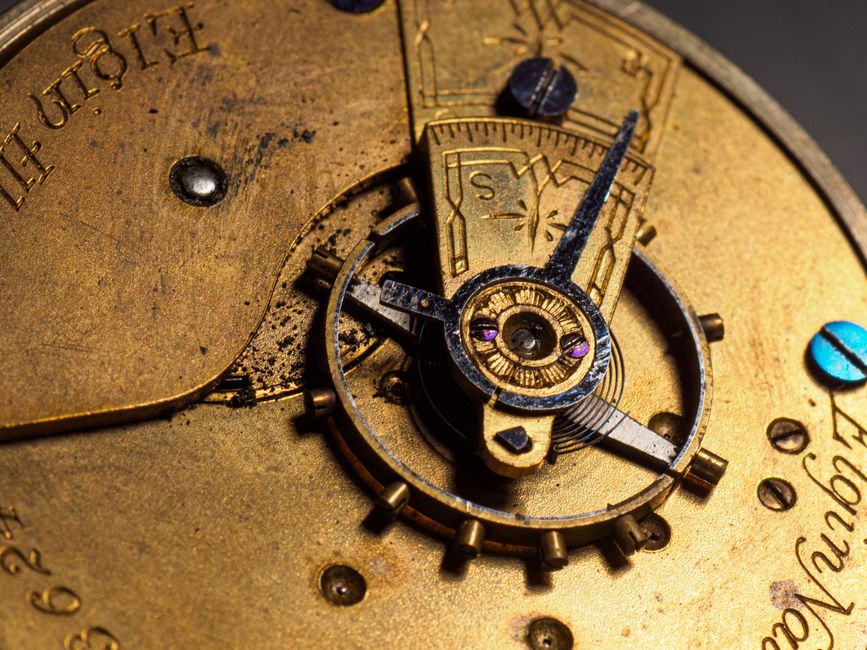
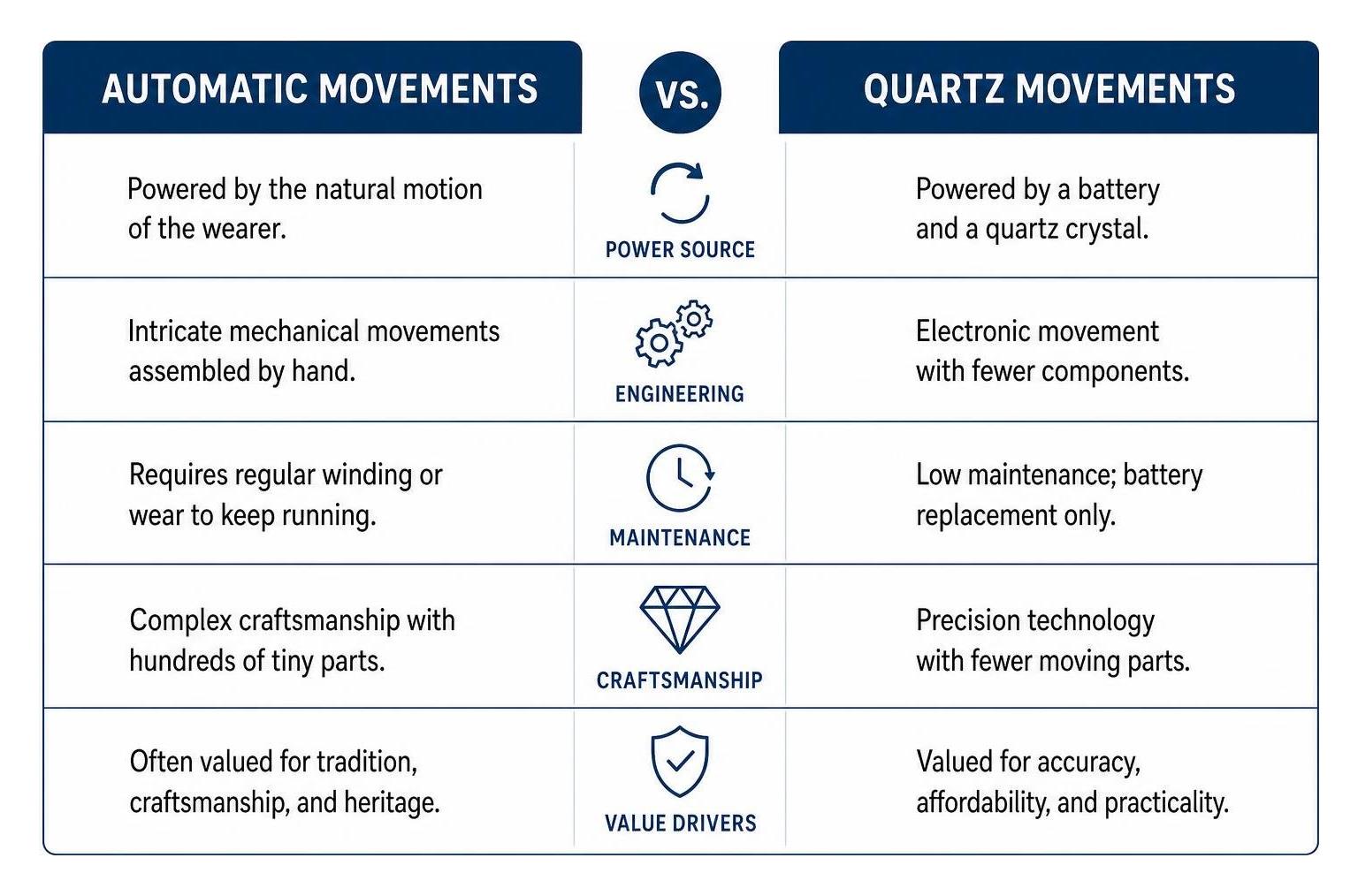
At the heart of a luxury watch, for instance, lies its mechanical movement. Unlike mass-produced quartz counterparts, these intricate engines are assembled by hand, often comprising hundreds of tiny, meticulously finished components. The precision required for a perpetual calendar, a chronograph, or an 8-day power reserve is a testament to the watchmaker’s skill. Similarly, fine jewelry derives its value from the purity of its metals—like 18k gold or platinum—and the quality of its gemstones, graded rigorously for cut, color, clarity, and carat weight. Artisanal setting techniques ensure each diamond or sapphire is showcased to its best advantage, transforming raw materials into wearable art.
Here’s a comparison of automatic versus quartz movements:
Materials and Mechanical Complications
The choice of materials in luxury watches and fine jewelry directly impacts their durability, aesthetic appeal, and intrinsic value. While stainless steel, particularly high-grade alloys like 904L, offers robust elegance, precious metals such as 18k gold (yellow, white, or rose) and platinum elevate a piece to another level. We also see innovative materials like titanium alloys gaining traction, especially in sports watches, for their exceptional strength-to-weight ratio and hypoallergenic properties.
Beyond the casing, the internal mechanisms of luxury watches are engineering marvels. Complications—any function a watch performs beyond telling time—are significant value drivers. A power reserve indicator, for example, shows how much energy remains before the watch needs winding. Perpetual calendars automatically adjust for month length and leap years, requiring no manual correction until the year 2100. Chronographs, which function as stopwatches, demand incredible precision in their construction. These features, often handcrafted and meticulously regulated, contribute substantially to a watch’s complexity and, consequently, its price and desirability.
Bespoke Craftsmanship and Design Heritage
The human element of bespoke craftsmanship is irreplaceable in the luxury market. Every facet of a fine jewelry piece, from the initial design sketch to the final polish, involves skilled artisans. Gemological certification from reputable laboratories like GIA or GRS provides an objective assessment of a gemstone’s quality, assuring buyers of its inherent value. Artisanal setting techniques, such as pavé, channel, or bezel settings, require immense dexterity and enhance the security and brilliance of the stones.
For both watches and jewelry, design provenance and brand heritage play a pivotal role. Iconic designs, like Cartier’s Tank or Rolex’s Oyster Perpetual, are instantly recognizable and carry decades, if not centuries, of history and innovation. Brands like Patek Philippe, with its Calatrava, or Omega’s Speedmaster, have built their reputations on consistent quality, groundbreaking achievements, and timeless aesthetics. This rich storytelling and brand identity foster a deep emotional connection with collectors, transforming an object into an heirloom. When considering a truly unique piece, such as custom engagement rings and bands, the bespoke design process ensures a personal narrative is woven into the very fabric of the item, guaranteeing heirloom longevity and unparalleled sentimental value. The enduring appeal of these pieces lies not just in their material worth, but in the stories they tell and the legacy they represent.
The Secondary Market: Vintage and Pre-Owned Assets
The luxury market is dynamic, and nowhere is this more evident than in the burgeoning secondary market for vintage and certified pre-owned (CPO) timepieces and jewelry. This segment has grown significantly, offering collectors and enthusiasts access to rare, discontinued, or more accessible versions of high-end items. As of September 2026, the demand for these assets continues to climb, driven by a desire for unique pieces, investment potential, and the sustainability aspect of giving items a second life.
The significance of vintage and CPO items lies in several key areas. Vintage pieces, generally considered to be 20 years or older, often represent specific eras of design or technological innovation that are no longer produced. Their valuation is heavily influenced by rarity, condition, historical significance, and provenance records—the documented history of ownership and servicing. For those seeking pre-owned high-end timepieces, verifying authenticity and understanding the piece’s journey is paramount. This market allows enthusiasts to own a piece of horological or jewelry history, often at a different price point than new releases.
Authentication Standards and Certified Pre-Owned Programs
The rise of the secondary market has necessitated robust authentication standards to protect buyers from counterfeits and misrepresentations. Leading retailers and manufacturers now offer Certified Pre-Owned (CPO) programs, which provide a crucial layer of security. Under these programs, watches undergo rigorous inspection, servicing, and authentication by brand-trained watchmakers. This often includes manufacturer authentication, ensuring the watch is genuine and all its components are original or period-correct.
CPO programs typically come with a factory warranty, offering peace of mind similar to a new purchase. Serial verification is a critical step, allowing the history of the specific timepiece to be traced. For vintage jewelry, reputable dealers provide detailed appraisals and often include gemological reports. The integrity of any restoration work is also carefully assessed; while some restoration can enhance a piece’s longevity, over-restoration can diminish its originality and value. These stringent processes differentiate reputable secondary market offerings from private sales, where authenticity can be harder to verify.
Limited Editions and Exclusive Collaborations
A significant driver of collector interest and market value in both new and secondary markets is the phenomenon of limited editions and exclusive collaborations. These pieces are produced in strictly controlled quantities, often with production caps that make them inherently rare. Brands frequently release “boutique editions” available only through their flagship stores or specific retailers, further enhancing their exclusivity.
Exclusive collaborations, such as the Oris ProPilot X Gonzo Edition or a TAG Heuer Carrera WOS Exclusive Limited Edition, create unique design variations or incorporate special materials not found in standard production models. These can feature rare dials, unique color schemes, or special engravings that appeal directly to collectors. The scarcity created by limited production, combined with unique design elements, often leads to rapid market appreciation. Collectors are drawn to these pieces not only for their aesthetic appeal but also for their investment potential, as their rarity almost guarantees sustained demand and often a significant increase in value on the secondary market over time.
Modern Market Dynamics and Purchasing Considerations
The landscape of luxury watches and fine jewelry is continuously evolving, influenced by demographic shifts, technological advancements, and changing consumer expectations. As we move through September 2026, retailers are adapting to offer a seamless and sophisticated customer experience, from the moment a potential buyer browses online to the secure delivery of their cherished item.
The customer experience is paramount in the high-end market. Retailers like Watches of Switzerland, with its 191 showrooms globally and 102 years of service, understand that purchasing a luxury item is an event. Showroom service is characterized by personalized attention, expert guidance, and an immersive environment. For example, Mayors, in business since 1910, and Betteridge, with a narrative dating back to the early 1700s in the UK, leverage their extensive histories to provide unparalleled expertise. Even newer players like Analog Shift, established in New York City in 2012 as a renowned vintage timepiece retailer, focus on curated experiences.
Beyond physical interaction, the digital experience and logistics are critical. We’ve seen an increasing expectation for secure logistics and global fulfillment, with many retailers offering expedited shipping options. Watches of Switzerland, for instance, boasts that 95% of orders ship the same day, with an average customer review rating of 4.7 stars, reflecting high satisfaction with their service and efficiency. This blend of traditional luxury service and modern convenience profoundly impacts purchasing decisions for high-end timepieces and jewelry.
Emerging Trends in Fine Jewelry and Luxury Watches
The luxury market is not static; it’s constantly innovating and responding to cultural shifts. In women’s luxury watches and jewelry, we are observing several compelling trends:
- Petite Cases: While larger watches have been popular, there’s a resurgence in demand for smaller, more elegant watch cases, often in the 22mm to 35mm range, offering a more classic and refined look. Models like the Panthère de Cartier Small Model or the Tank Must de Cartier Small Model exemplify this trend.
- Mixed Metals: The combination of different metal tones—such as two-tone steel and 18K yellow gold—is increasingly popular, offering versatility and a contemporary aesthetic.
- Unisex Styling: The lines between traditionally masculine and feminine designs are blurring, with many brands offering watches and jewelry that appeal to all genders, emphasizing personal style over strict categorization.
- Sustainable Sourcing: Consumers are increasingly conscious of ethical and environmental impacts. Brands that demonstrate transparency in sourcing materials, particularly gemstones and precious metals, are gaining favor.
- Vibrant Gemstones: Beyond traditional diamonds, there’s a growing appreciation for colored gemstones like emeralds, rubies, and sapphires, often in bold and imaginative settings, adding a splash of personality to fine jewelry.
These trends reflect a desire for individuality, sustainability, and pieces that seamlessly integrate into diverse lifestyles.
Essential Buying Guidelines for Fine Jewelry and Luxury Watches
For first-time buyers venturing into luxury watches or fine jewelry, careful consideration is key to making a wise investment. We recommend the following essential guidelines:
- Define Your Budget and Purpose: Determine how much you are comfortable spending and whether the piece is primarily for personal enjoyment, a specific occasion, or as an investment. Prices can range significantly, from a Quartz Heritage model at around $2,700 to an Omega Roadster Medium Model at $18,300 (as observed in recent catalogs).
- Research Brands and Models: Familiarize yourself with reputable brands and their signature collections. Consider their history, craftsmanship, and market reputation. Brands like Rolex, Patek Philippe, Omega, Cartier, and Grand Seiko are known for their enduring value.
- Understand Materials and Movements: Educate yourself on the different types of metals, gemstones, and watch movements (automatic, manual-wind, quartz). This knowledge will help you appreciate the value and choose what aligns with your preferences.
- Consider Market Liquidity: Some brands and models hold their value better than others. If investment is a factor, research secondary market performance.
- Inspect Condition Thoroughly: For pre-owned or vintage pieces, a detailed inspection of the physical condition is crucial. Look for scratches, dents, and signs of wear. For watches, assess the functionality of all complications.
- Verify Provenance and Documentation: Always request original documentation, such as warranty cards, service records, and certificates of authenticity. For jewelry, gemological certificates are vital.
- Seek Expert Advice: Don’t hesitate to consult with reputable jewelers or watch experts. Their insights can be invaluable in making an informed decision.
- Experience the Purchase: If possible, visit a showroom. The customer experience, from knowledgeable staff to the tactile feel of the item, is part of the luxury journey.
By following these steps, you can confidently navigate the market and acquire a piece that brings lasting joy and potentially appreciates in value.
Frequently Asked Questions About Luxury Horology and High Jewelry
What determines the resale value of high-end timepieces and fine jewelry?
The resale value of luxury watches and fine jewelry is influenced by a combination of factors. Scarcity plays a significant role; limited editions or discontinued models often command higher prices. Brand prestige is paramount, with established names like Rolex, Patek Philippe, and Cartier consistently performing well. The presence of original documentation (warranty cards, boxes, service papers) and gemological certificates for jewelry significantly enhances value. Physical condition is critical; well-maintained pieces with minimal wear fetch better prices. Finally, market demand for specific models or styles can fluctuate, but timeless designs and iconic pieces tend to retain their appeal.
How do automatic mechanical movements compare to quartz in investment terms?
In investment terms, automatic mechanical movements generally surpass quartz movements. Mechanical watches, especially those from prestigious Swiss or Japanese manufacturers, are celebrated for their longevity, intricate hand-finishing, and historic appeal. They represent centuries of horological tradition and craftsmanship. While quartz watches offer superior accuracy and lower maintenance costs initially, their value tends to depreciate significantly over time due to mass production and reliance on battery technology. Mechanical watches, conversely, are often considered generational assets, capable of being serviced and maintained for decades, ensuring value retention and even appreciation for sought-after models.
Is certified pre-owned safer for first-time buyers than private secondary markets?
For first-time buyers, investing in certified pre-owned (CPO) luxury watches and fine jewelry is generally much safer than navigating private secondary markets. CPO programs offer crucial authenticity guarantees, as items are typically inspected and verified by the original manufacturer or authorized retailers. This minimizes the risk of purchasing counterfeit or misrepresented goods. CPO items often come with a documented servicing history and a warranty coverage, providing peace of mind. While private sales might offer lower prices, they carry higher risks of fraud, lack of provenance, and hidden issues. Reputable CPO retailers also often have clear return policies, adding another layer of buyer protection.
Conclusion
Investing in fine jewelry and luxury watches is a journey into a world where artistry, engineering, and enduring value converge. These pieces are not merely objects; they are custodians of history, symbols of personal achievement, and tangible assets that can enrich a portfolio. We’ve explored the intricate details that justify their worth, from the precision of mechanical movements and the rarity of materials to the legacy of bespoke craftsmanship and iconic design.
As of September 2026, the market continues to demonstrate remarkable market stability, with strong demand for both new releases and the burgeoning certified pre-owned and vintage segments. By understanding the significance of heritage preservation and embracing the evolving trends, buyers can make informed decisions that align with their personal style and financial goals. Acquiring a luxury watch or a piece of fine jewelry is an act of portfolio diversification and an investment in enduring aesthetic value that can be cherished for generations.