Modern dental care isn’t just about fixing problems when toothache strikes. It’s about establishing a consistent relationship with a dental team that understands your long-term health goals, your family’s routine, and the specific needs that arise at every stage of life. From a child’s first checkup to complex restorative procedures later in life, having reliable, preventive care forms the foundation of lifelong oral health.
Yet, despite how common dental visits are, many people delay scheduling routine checkups until minor issues turn into costly, uncomfortable emergencies. Understanding how modern dentistry operates—and how to partner effectively with your local dental practice—can transform your approach to oral hygiene from a chore into a seamless component of your overall wellness routine.
The Foundations of Modern Preventive Care
Preventive dentistry focuses on keeping teeth and gums healthy before disease, decay, or structural damage can take hold. While daily brushing and flossing are essential, they only address surface-level plaque. Over time, plaque hardens into tartar, a stubborn substance that can only be safely removed with professional dental instruments.
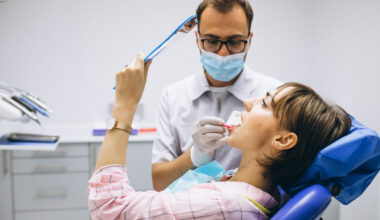
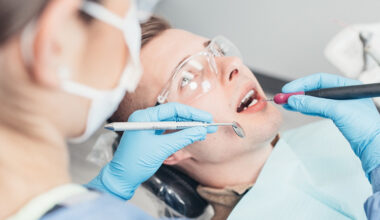
During a routine visit, a dental hygienist cleans areas that toothbrushes simply cannot reach, particularly below the gumline and around tight contacts between teeth. Concurrently, your dentist conducts a comprehensive examination to look for early indicators of:
- Enamel Erosion: Catching acid wear early allows for fluoride treatments or dietary adjustments before cavities form.
- Periodontal Disease: Early-stage gum inflammation (gingivitis) is entirely reversible with proper care, whereas advanced periodontitis can cause bone and tooth loss.
- Oral Pathology: Routine screenings allow dentists to identify unusual tissue changes early, when treatment outcomes are highest.
- Bite and Structural Alignment: Unaddressed misalignments can lead to uneven tooth wear, cracked enamel, and chronic jaw pain (TMJ disorders).
By committing to twice-yearly checkups, you give your practitioner the opportunity to address minor issues with simple, conservative solutions rather than invasive interventions down the road.
Tailoring Care Across Every Stage of Life
A family’s dental needs evolve constantly. What works for a toddler learning to brush won’t apply to a teenager needing orthodontic evaluations or a grandparent managing restorative work. A quality family practice adapts its care strategies to match these changing milestones.
Pediatric Dentistry: Building Confident Habits Early
A child’s early experiences at the clinic set the tone for their relationship with healthcare for decades. Early visits focus on monitoring jaw development, checking for childhood cavities, and teaching young patients proper brushing techniques in an encouraging, low-stress setting. Pediatric sealants—thin protective coatings applied to the chewing surfaces of back teeth—are frequently used to protect deep grooves from food particles and bacteria.
Adult Care: Balance, Aesthetics, and Preservation
For adults, dental visits balance preventive care with practical restoration and cosmetic improvements. Work stress, dietary habits, and aging all leave physical marks on teeth. Adults frequently seek help with:
- Tooth Grinding (Bruxism): Custom nightguards protect enamel from nighttime clenching.
- Discoloration: Professional whitening offers safe, consistent results compared to over-the-counter options.
- Restorative Needs: When decay or trauma occurs, modern tooth-colored fillings and ceramic crowns restore functionality without sacrificing natural appearance.
For families residing in coastal Virginia who are looking to establish a reliable, multi-generational dental home, scheduling an evaluation with an experienced dentist in Yorktown va helps ensure every member of the household receives personalized, preventive attention.
Understanding the Mind-Body Connection in Oral Health
Oral health does not exist in isolation. Researchers continuously find strong links between chronic oral infections and systemic health conditions across the body. The mouth acts as a gateway; when bacteria levels spike due to unchecked gum disease, inflammatory markers can enter the bloodstream and impact overall physical well-being.
- Cardiovascular Disease: Bacteria from inflamed gums can contribute to arterial plaque buildup, increasing risks associated with heart conditions.
- Diabetes Management: The relationship between gum disease and diabetes is two-way. Diabetes makes infections harder to fight, while active gum disease makes blood sugar levels significantly harder to control.
- Pregnancy Outcomes: Hormonal shifts during pregnancy increase susceptibility to gingivitis, which requires careful monitoring to prevent complications.
Viewing dental checkups as a core part of your broader medical care changes the dynamic. It moves the conversation away from basic cosmetics and places it firmly within overall health maintenance.
Restorative and Emergency Solutions
Even with meticulous home care, teeth can suffer damage. Accidents happen on sports fields, old fillings break down, and decay can occasionally develop beneath old restorations. Modern restorative dentistry focuses on preserving as much of your natural tooth structure as possible.
When a tooth is damaged or missing, several reliable options exist:
- Dental Implants: Widely considered the gold standard for replacing missing teeth, implants act as artificial roots that preserve jawbone density and support a natural-looking crown.
- Precision Bridges and Dentures: Modern materials ensure that full or partial tooth replacement options look natural, fit comfortably, and restore proper chewing ability.
- Root Canal Therapy: Contrary to outdated rumors, modern endodontic procedures are comfortable and straightforward, designed to save infected teeth from extraction.
Having an established relationship with a practice means that when an unexpected issue arises, you won’t have to search frantically for care. If you live in southeastern Tennessee and need comprehensive restorative work or routine family maintenance, visiting an established dentist in harrison tn offers a clear path toward restoring both function and comfort to your smile.
Building a Sustainable At-Home Routine
Professional care forms one pillar of healthy teeth, but daily home care forms the other. A strong daily routine doesn’t require complex tools, but it does demand consistency and correct technique.
- Brush Twice Daily for Two Minutes: Use a soft-bristled brush or an electric toothbrush held at a 45-degree angle toward the gumline. Gentle, circular motions clean effectively without abrading enamel or irritating gums.
- Floss Daily Without Exception: Toothbrushes clean only 60% of a tooth’s surface. Dental floss or interdental brushes are necessary to clear plaque and debris from between teeth where cavities frequently start.
- Incorporate Fluoride: Fluoride strengthens enamel against acid attacks. Ensure your toothpaste carries an approved seal for fluoride delivery.
- Hydrate with Water: Drinking water throughout the day helps wash away residual food particles and maintains healthy saliva flow, which naturally neutralizes mouth acids.
Prioritizing your oral health is one of the simplest, most effective investments you can make in your daily comfort and long-term well-being. By combining diligent daily habits with regular visits to a trusted local practitioner, you protect your smile, preserve your natural teeth, and support your overall health for years to come.