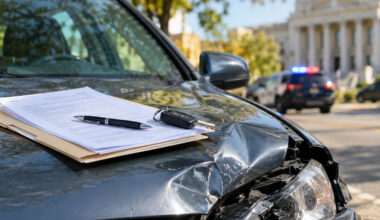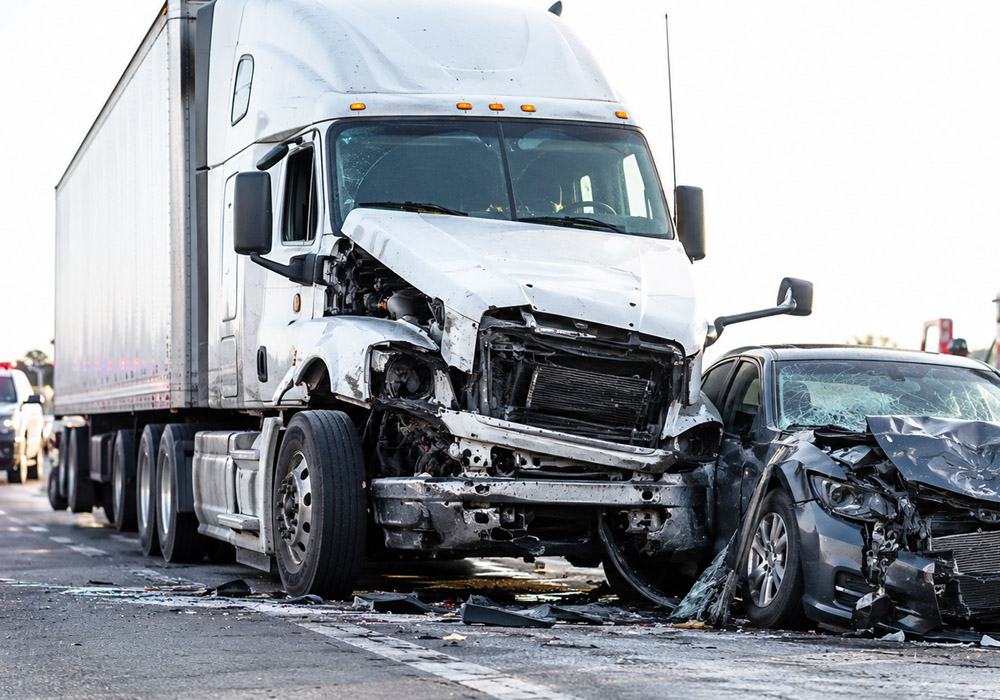
A serious crash involving a commercial vehicle can change a person’s life in seconds. Large trucks, delivery vehicles, buses, and work vehicles can carry far more weight than a passenger car, which can make collisions especially severe. After a crash, victims may face hospital bills, lost income, vehicle damage, and long recovery periods. In these situations, speaking with a lawyer for commercial vehicle accidents can help a person understand the claims process and the evidence that may matter.
Why Commercial Vehicle Crashes Can Be More Complex
A commercial vehicle crash is not always a simple case between two drivers. A business may own the vehicle, another company may lease it, and a separate contractor may handle maintenance. Cargo may also have been loaded by another party. Several companies or individuals may have information that helps explain what happened.
Commercial drivers may also be subject to safety rules that do not apply to ordinary passenger drivers. Federal regulations can address driver qualifications, hours of service, vehicle inspections, maintenance, and other safety duties. These rules can become important when investigators are trying to determine whether a violation contributed to a collision.
Common Causes of Serious Commercial Vehicle Crashes
Commercial vehicle crashes can happen for many reasons. Driver fatigue is one concern, especially when a driver has spent long periods on the road. Hours-of-service rules are designed to limit driving and on-duty time and help drivers get required rest.
Distracted driving is another common risk. Looking at a phone, adjusting a navigation system, eating, or dealing with paperwork can take attention away from traffic. Because commercial vehicles can be large and difficult to stop, even a short period of distraction can have serious consequences.
Speeding can also increase the danger. A heavily loaded vehicle may need more distance to stop, and excessive speed can increase the force of an impact. Poor vehicle maintenance may create additional hazards. Worn brakes, damaged tires, defective lights, or steering problems can make it harder for a driver to control the vehicle.
Cargo problems can cause crashes as well. If freight is overloaded, unbalanced, or not secured correctly, it can shift while the vehicle is moving. A sudden change in weight distribution can affect handling and may contribute to a rollover or loss of control.
Who May Be Responsible?
Determining responsibility requires more than looking at the driver. The driver may be responsible if the crash resulted from speeding, distraction, impairment, unsafe lane changes, or another careless action. However, other parties may also share responsibility.
A trucking or transportation company may have responsibility for negligent hiring, inadequate training, unsafe scheduling, or poor supervision. A vehicle owner may have duties related to maintenance. A company that loaded cargo may be involved if improper loading contributed to the crash.
Maintenance providers can also become part of an investigation when a repair failure contributes to a collision. In some cases, a manufacturer may face a product liability claim if a defective component caused or contributed to the accident.
What Evidence Can Help After a Crash?
Evidence can disappear quickly after a commercial vehicle collision. Photos of the vehicles, roadway, visible injuries, property damage, and surrounding conditions can help preserve important details. Witness names and contact information can also be useful.
Other evidence may come from the commercial vehicle itself. Depending on the circumstances, this can include electronic logging device data, inspection records, maintenance records, driver qualification files, dispatch records, onboard camera footage, GPS information, and cargo documents.
Medical records are also important. A person should seek care after a serious crash and follow the treatment plan provided. Some injuries may not be obvious immediately, and consistent records can help connect treatment to the collision.
Insurance Issues After a Commercial Vehicle Crash
Commercial vehicle crashes may involve multiple insurers. The driver may have one policy, while the company that owns or operates the vehicle may have another. A cargo company, contractor, or vehicle owner could also have separate coverage.
Insurance representatives may contact an injured person soon after a crash. Understand what is being requested before providing a recorded statement or signing documents. Early settlement offers may not reflect medical care, lost income, property damage, rehabilitation, or future needs.
Why Early Investigation Matters
The first days after a crash can be important because evidence may be easier to locate and preserve. Vehicles can be repaired or moved, electronic information can be overwritten, and witnesses may forget details.
A careful investigation may examine the crash scene, vehicle condition, driver history, company records, cargo, weather, road conditions, and available video. This may include facts that are not visible from the crash scene alone.
Steps to Take After a Serious Crash
After a commercial vehicle collision, safety and medical care should come first. If possible, move to a safe location and contact emergency services. Obtain medical attention for injuries, even when symptoms seem minor. Take photographs when safe, collect witness information, and keep records of medical treatment and expenses.
Avoid posting detailed statements about the crash on social media. Do not assume that the other driver or company will preserve every piece of evidence that could matter to your claim. Keeping your own records and getting legal guidance can help protect important information.
Understanding Your Options
Serious commercial vehicle crashes can involve complicated facts, multiple parties, extensive regulations, and significant financial losses. Driver conduct, company practices, maintenance records, cargo handling, and vehicle data can all matter.
People injured in these crashes have the right to learn about their legal options and the deadlines that may apply to a claim. A careful review of the facts can help determine which parties may be responsible and what evidence should be preserved.
The key is to act carefully after the collision. Get medical care, document what you can, preserve important information, and understand the insurance process before making major decisions. With the right information and timely action, an injured person can better protect their interests while focusing on recovery.