Dental care used to mean one thing: turning up when something hurts. That mindset is shifting fast. More families are booking regular check-ups not because they’re in pain, but because they’ve realised prevention is cheaper, quicker, and far less stressful than treatment after the fact.
A Change in How People Think About Oral Health
For years, dental visits were treated like a last resort. A toothache would build for weeks before anyone picked up the phone. Now, with better public awareness and more accessible clinics, people are starting to treat oral health the same way they treat general check-ups with a GP: something done on a schedule, not just when there’s a problem.
Practices such as Dentistry on Solent have noticed this shift firsthand, with more patients booking routine cleans and early screenings rather than waiting for pain to force their hand.
What Preventive Dentistry Actually Involves
Preventive dentistry isn’t just about brushing twice a day. It covers a broader range of habits and professional care aimed at stopping problems before they start.
Regular Professional Cleans
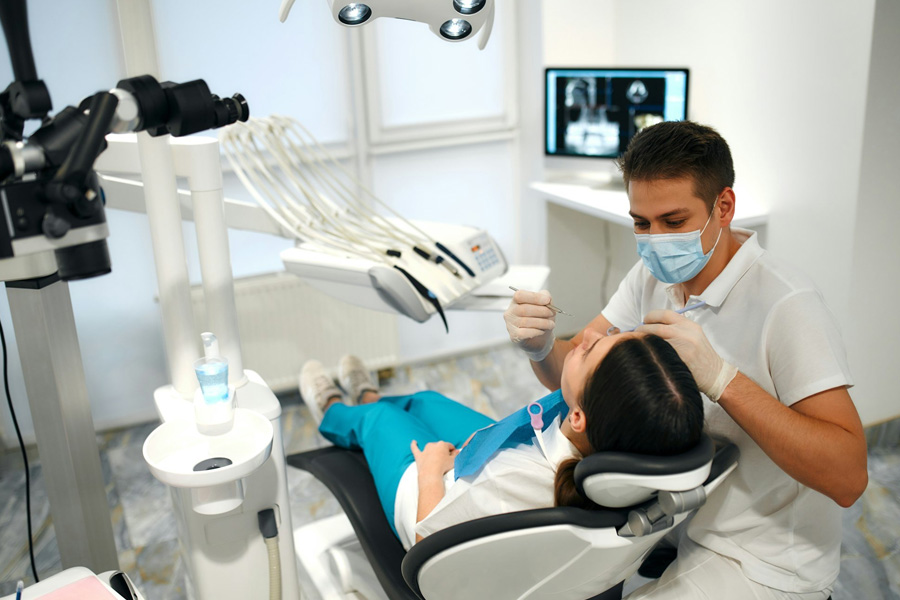
Even with a solid home routine, plaque builds up in spots a toothbrush simply can’t reach. A professional clean every six months removes this build-up before it turns into decay or gum disease.
Early Screening for Issues
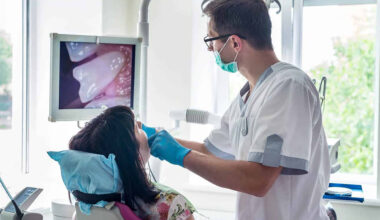
Modern check-ups often include digital X-rays and oral cancer screenings, which can pick up problems long before they’re visible or painful. Catching something early usually means a simpler, less invasive fix.
Fluoride and Sealant Treatments
These treatments strengthen enamel and protect the grooves in back teeth where decay commonly starts. They’re quick, painless, and make a noticeable difference over time.
Advice Tailored to Individual Habits
A good dentist doesn’t just clean your teeth, they look at your specific habits, like diet, grinding, or smoking, and offer practical advice suited to your situation rather than generic tips.
Why This Shift Makes Financial Sense Too
Treating a small cavity is far cheaper than dealing with a root canal or extraction later on. The same logic applies to gum disease, which is manageable in its early stages but expensive and complicated once it progresses. Preventive visits aren’t an added cost, they’re a way of avoiding much larger bills down the track.
The Role of Technology in Making Prevention Easier
Digital scanning and imaging have made it far simpler to track changes in a patient’s mouth over time. Instead of relying on memory or guesswork, dentists can compare scans from previous visits and spot subtle changes early. This kind of ongoing monitoring wasn’t really practical a decade ago, but it’s now a standard part of many check-ups.
Building the Habit Early
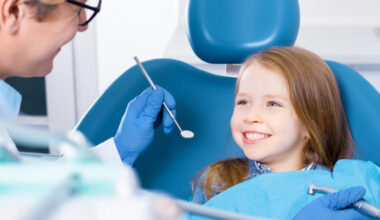
Preventive care works best when it starts young. Children who grow up with regular check-ups tend to carry that habit into adulthood, rather than only associating the dentist with pain or anxiety. Parents play a big role here, simply by making appointments a normal, low-stress part of family life.
Small Daily Habits That Support Preventive Care
A few simple habits go a long way between appointments.
- Brush for a full two minutes, twice a day, not just a quick rinse and go.
- Floss daily rather than only before a dental visit.
- Limit sugary drinks, including fruit juice, which are often overlooked.
- Replace your toothbrush every three months or after being unwell.
- Avoid using teeth to open packaging or bite down on hard objects.
Key Takeaways
- Preventive dentistry focuses on stopping problems before they start, rather than reacting once pain sets in.
- Regular cleans, screenings, and fluoride treatments all play a part in reducing long-term dental costs.
- Digital tools now make it easier for dentists to track changes over time and catch issues early.
- Good habits built in childhood tend to carry through into adulthood.
- Simple daily routines, like proper brushing and flossing, make a real difference between visits.
Shifting from reactive to preventive care isn’t complicated, it’s mostly about changing when you book an appointment rather than what happens during it. Families who make this switch tend to spend less time in the dental chair overall, and far less time dealing with unexpected pain.