Every summer, coastal homeowners face the same combination: high humidity, long stretches of triple-digit weather, and the occasional power event that pushes household systems to their limits. Preparing a home for that reality is less about big renovations and more about steady, informed habits.
A little knowledge goes a long way here. Understanding how heat moves through a building, how systems age, and where small failures start allows a homeowner to act early rather than react in a crisis.
Understand How Heat Moves Through a Home
Heat enters a house through three main paths: conduction through walls and windows, radiation from sunlight hitting roof and glass, and infiltration from air leaks around doors and vents. Each path calls for a different response.
Reflective window films, thicker attic insulation, and weatherstripping address these paths directly. Homeowners who understand where losses happen often work with a Gulf Coast home comfort team to prioritize the fixes that actually move the needle for their specific layout.
The Attic Is the Biggest Lever
Attic temperatures in Texas coastal homes can climb well above 130°F on a summer afternoon. That heat radiates downward into living spaces all evening. A properly vented, properly insulated attic reduces that transfer significantly.
Give Cooling Systems a Real Inspection
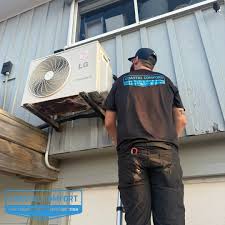
A quick check in early spring catches most of the issues that would otherwise fail during peak summer. Look at the outdoor unit, clear leaves and debris from around it, and make sure airflow is not blocked by shrubs or fencing.
Indoor components deserve attention too. Refrigerant lines, condensate drains, and blower assemblies all wear over time, and small problems compound quickly under continuous load. Scheduling an inspection with local heating and cooling professionals before the first heat wave is far cheaper than an emergency call in July.
Filters and Airflow
Change filters more often during heavy-use months. Restricted airflow forces the system to run longer, drives up electricity bills, and can freeze coils when humidity is high. A ten-dollar filter change avoids a hundred-dollar repair.
Plan for Humidity Separately from Temperature
On the Gulf Coast, humidity is often the real comfort problem. A 78°F room at 45% humidity feels pleasant. The same room at 70% humidity feels sticky and stale, even though the thermostat reads the same number.
Standalone dehumidifiers, whole-home units, and properly sized air conditioners all handle humidity differently. Oversized systems, in particular, cool the air quickly but never run long enough to remove moisture. Sizing matters more than raw capacity.
Prepare for Storm Season
Coastal summers bring the risk of tropical weather and short-notice power outages. A generator, a surge protector on the outdoor unit, and a plan for what to shut down manually can protect equipment during voltage swings.
Homeowners often overlook the value of a written checklist for storm prep: raise anything sitting on the floor, secure outdoor units against loose debris, and confirm that batteries in smart thermostats and sensors are fresh. A short call to an experienced service crew nearby can also confirm your system is ready before the season starts.
After the Storm
Once power is restored, avoid the temptation to switch every appliance back on at once. Bring the cooling system up first, wait a few minutes, then reintroduce heavier loads. Sudden surges can trip breakers or damage compressors.
Track Small Signs Before They Become Big Ones
Odd noises, warm rooms far from the thermostat, unusual electricity bills, and short cycling are all early indicators. Writing them down when they happen gives a technician real data to work with rather than a vague description weeks later.
The homeowners who stay comfortable through coastal summers rarely have newer or fancier equipment. They simply pay attention, keep a rhythm of small maintenance, and reach out early when something feels off.
Build a Routine You Can Sustain
None of this needs to be complicated. A short seasonal walkthrough in spring, a filter reminder on the phone, and one professional inspection per year create a solid baseline that carries most homes through even the roughest weeks.
Preparation is quiet work. Done consistently, it turns coastal summer from something to survive into something you barely notice, which is exactly the point of a well-run home.