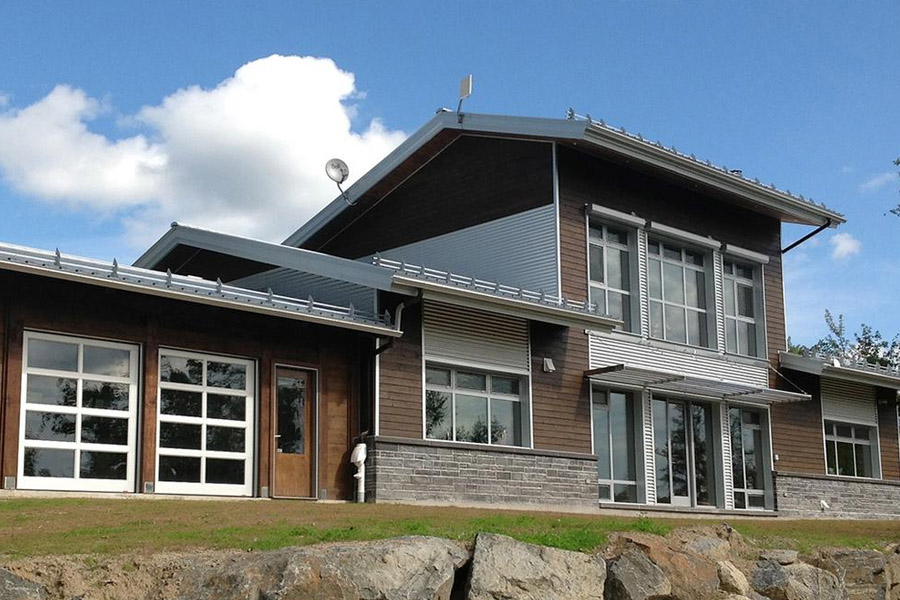
A resilient home is built to handle daily wear, changing weather, and unexpected problems. For buyers, this means looking beyond appearance and thinking about how well the property may hold up over time.
Strong materials, good drainage, proper insulation, and regular maintenance can all make a home easier to protect. These details can also reduce the chance of costly repairs later.
Look at Construction Quality
The way a home is built has a major effect on its strength. Good materials and careful construction can help the property handle wind, rain, heat, and cold.
Pay attention to the roof, windows, siding, and foundation. These areas protect the rest of the home from weather and water.
Impact-resistant windows or stronger roofing materials may be useful in areas with severe storms. Good insulation can also help keep indoor temperatures more stable.
Buyers comparing options such as a 55+ community in Clallam County may want to look at how the homes are built, maintained, and protected from local weather conditions.
Check Water and Drainage Systems
Water can cause major damage when it collects around a home. Good drainage helps move rain away from the roof and foundation.
Gutters should be clear and connected to downspouts that direct water away from the building. The ground around the home should also slope in a way that reduces standing water.
In some areas, extra systems such as sump pumps may be useful. These can help manage water that enters lower parts of the property.
Look for signs of past moisture problems, such as stains, musty smells, or damaged materials. Small water issues can become much larger if they are ignored.
Think About Maintenance and Durability
A resilient home still needs regular care. The goal is to choose materials and systems that are easier to maintain over time.
Check the age and condition of the roof, heating system, plumbing, and electrical parts. Older systems may still work well, but they could need repairs sooner.
Exterior materials also matter. Some siding, decking, and roofing options may need more upkeep than others.
Ask about past repairs and maintenance records when possible. A home that has received steady care may be easier to manage in the future.
Seasonal checks can also prevent small problems from growing. Routine roof, gutter, and plumbing inspections are simple ways to protect the property.
Consider Long-Term Comfort and Adaptability
A resilient home should support daily comfort as well as physical strength. Good insulation, efficient windows, and reliable heating and cooling can help control indoor temperatures.
The layout should also work well over time. Wider paths, easy entrances, and simple room layouts may become more useful as needs change.
Energy-efficient features can also support long-term comfort. Better insulation and modern systems may help reduce the amount of energy needed to heat or cool the home.
Adaptability matters too. A home that can be updated without major construction may be easier to adjust in the future.
Conclusion: Choose With Long-Term Needs in Mind
Choosing a more resilient home means looking at strength, maintenance, comfort, and location together.
A property may look attractive at first, but details such as drainage, roofing, insulation, and system condition can have a bigger effect over time.
Take time to inspect the home carefully and ask questions about repairs and upkeep. A well-built and well-maintained property can offer greater comfort, fewer surprises, and stronger long-term value.
If you’d like to learn more, check out more articles on our blog.