A Practical Guide to Long Term Stays on the North Fork
The North Fork of Long Island is a narrow stretch of farmland, vineyards, and small maritime villages that sits about two hours east of New York City. It is a place built around seasons rather than weekends, and it tends to make more sense to people who stay long enough to notice them.
This guide is written for anyone thinking about a month or a season out here rather than a few nights: how long to commit, where to base yourself, what to look for in a home you will actually live in, and what the year feels like from the inside.
Who Ends Up Staying a Season
The people who settle in for extended stretches out here fall into a handful of patterns. Some work remotely and want a quiet base within driving distance of the city. Some are between homes, waiting on a closing, a renovation, or a decision. Some are trying the East End on before buying, using a few months as a long test drive. Others come out for a stretch of the year and go back, the way people have been doing on this peninsula for a century.
What most of them have in common is that they are not planning a trip. They are relocating temporarily, and the questions that matter are different.
How Long Is Long Enough
A month is the point where the place stops performing for you. The first week is orientation: finding the good bakery, learning which stretch of Route 25 backs up and when, figuring out where the recycling goes. By the second and third weeks you have a routine, and the North Fork is a much better place to have a routine than to have an itinerary.
Three months covers a full season and its shoulder, which is where the character of the fork really lives. Six months or more lets you watch the whole cycle turn over: the vineyards through harvest, the farm stands opening and closing, the harbor emptying out.
Shorter than a month and you are still in visitor mode, paying peak rates and planning your days around what is open.
Choosing a Base
Greenport is the most walkable option and the only one that works well without a car for daily life. There is a working harbor, ferry access to Shelter Island, a real grocery store, restaurants within a few blocks, and a compact grid. It is also the busiest place on the fork in summer, which cuts both ways over a long stay.
Cutchogue and Southold sit closer to the vineyard belt with more space between properties. They suit anyone who expects to drive most days and wants quiet mornings and evenings. Over months rather than nights, that extra space and quiet tends to matter more than proximity to a restaurant.
Orient, at the far eastern tip, is the most remote. Fewer amenities within walking distance, more beaches, wildlife areas, and the quietest nights on the peninsula. It rewards people who are genuinely settling in and punishes anyone who wanted to walk to dinner.
What to Look for in the Home Itself
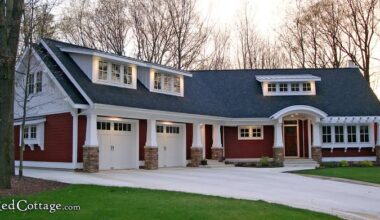
The features that matter over six weeks are not the ones that photograph well. A full kitchen you can cook in repeatedly, laundry in the building, internet that holds up on video calls, a desk with a door that closes, and enough storage to actually unpack all outrank a fourth bedroom or a hot tub.
Heat and insulation deserve a direct question if your stay runs into the cold months. A house designed around summer breezes behaves differently in February.
Terms are the other half of it. Booking a long term rental in North Fork generally means a longer minimum stay and monthly pricing rather than a nightly rate, which is what makes an extended stretch out here financially sane in the first place. It is worth asking early how utilities are handled, whether the term can be extended if your timeline shifts, and what the property looks like in the season you are arriving in rather than the one in the photos.
Getting Around
A car is close to essential outside of Greenport. Route 25 runs east to west along the middle of the peninsula and connects nearly every hamlet, farm stand, and vineyard. Traffic is light most of the year and picks up on summer weekends.
Cycling works well in the shoulder seasons and becomes genuinely practical over a longer stay. The roads are flat, shoulders are usable in most spots, and plenty of long term residents end up using a bike for errands rather than recreation.
The Long Island Rail Road reaches Greenport, which makes trips back to the city manageable without driving both ways. Anyone splitting time between here and Manhattan should look at the schedule before choosing a hamlet, because the difference between a ten minute and a forty minute drive to the station adds up over a few months.
Living Through the Seasons
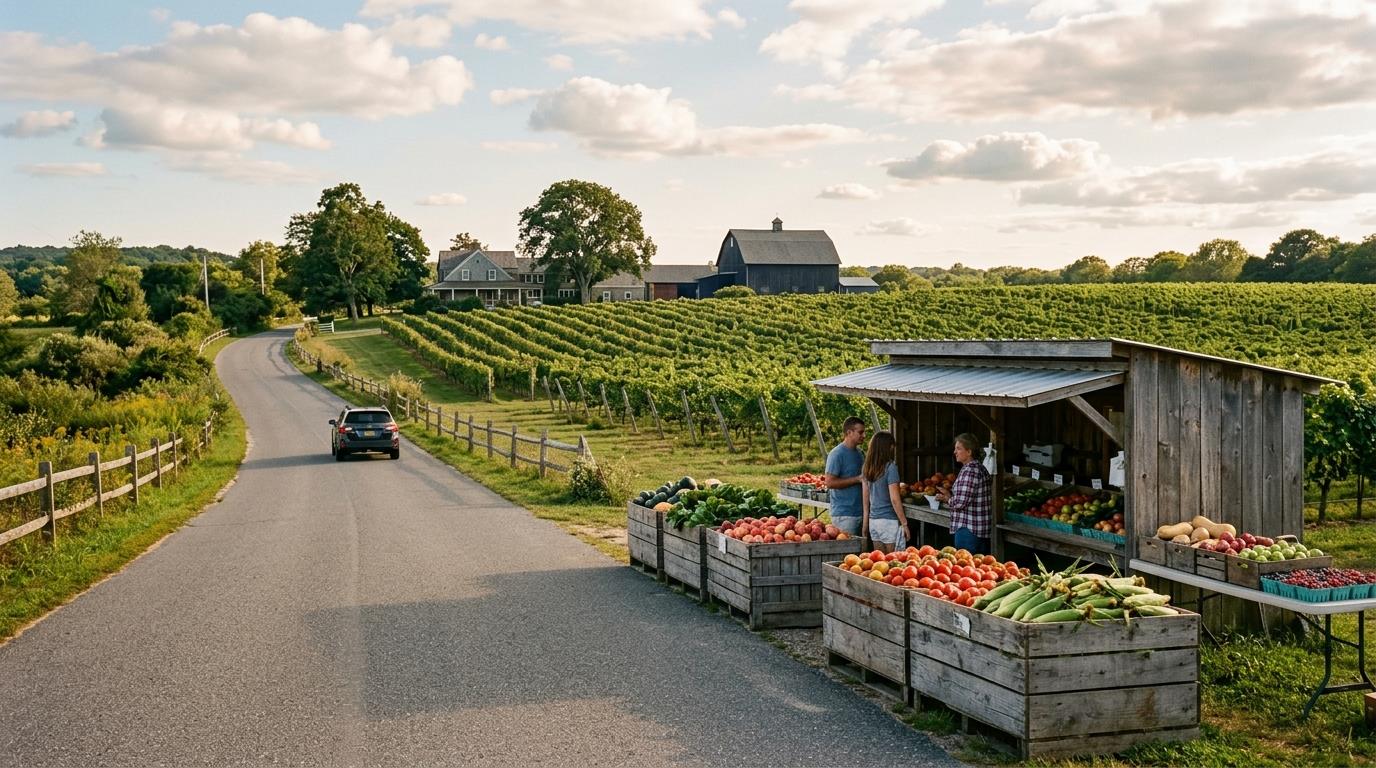
Late spring is cool, green, and quiet. Vineyards start outdoor pours, farm stands open with early produce, and the beaches are empty. Sweaters at night are normal well into June.
Midsummer is warm and busy. Beaches fill on weekends, restaurants book out weeks ahead, and the roads get crowded. The advantage of being here rather than visiting is that you can simply live on weekdays and let the weekends pass.
Early fall is the season most people who stay a while name as their favorite. The water holds its warmth through September, farm stands hit peak variety, harvest events run into October, and the crowds thin without the weather turning.
Winter is the version almost nobody sees on a short trip. Many restaurants cut their hours or close, the beaches belong to whoever walks them, and the pace drops to something closer to a small farming town than a destination. Some people find it the best part of the year out here. Others find it long. It is worth knowing which one you are before committing to a stay that runs through it.
Weather Basics
Coastal Long Island is milder than inland areas. Summer highs generally sit in the low eighties with steady sea breezes. Fall stays comfortable well past the mainland’s first frost, which stretches the shoulder season on both ends.
Settling In
The shape of a long stay out here tends to sort itself out within a couple of weeks. You find your farm stand, your beach, your route, and the vineyard that is quiet on a Thursday afternoon. What visitors treat as attractions become errands, which is the point.
The North Fork stays with people who let it unfold slowly, and a season is about how long that takes.