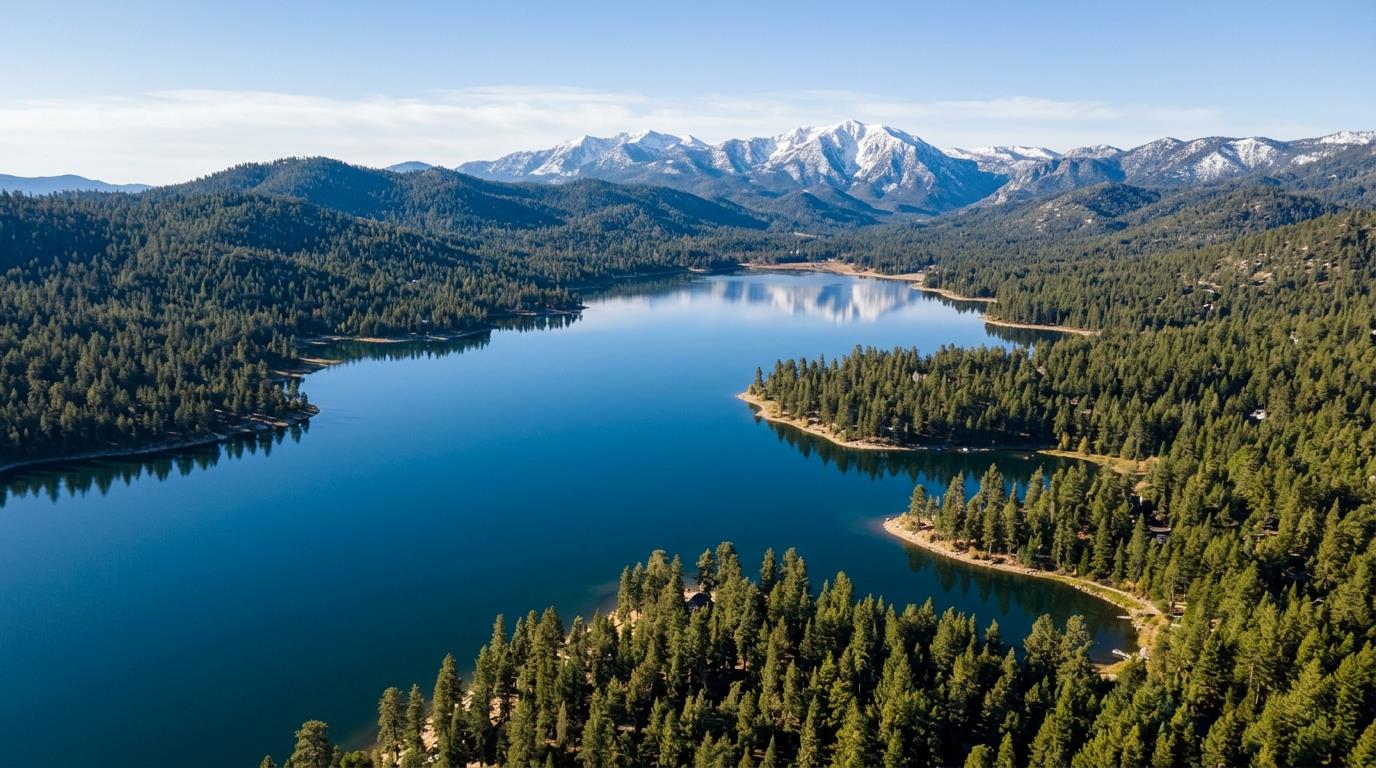
Big Bear sits at just under 7,000 feet in the San Bernardino Mountains, roughly a two hour drive from downtown Los Angeles. The town wraps a seven mile lake, with pine forest climbing straight into ski runs on the south rim.
That mix of alpine lake, forest, and easy access from the coast makes Big Bear one of the most visited mountain areas in Southern California. The good news is that most of what people come for stays fairly quiet if you plan the visit for weekdays or shoulder months.
The Lay of the Land
Big Bear Lake sits on the south side. Big Bear City, a little more residential and closer to hiking on the east end, sits just beyond the lake. The Village serves as the walkable center with restaurants, cafes, and rental shops.
Snow Summit and Bear Mountain run the ski operations in winter and open bike parks and chairlift scenic rides in summer. Both are within ten minutes of the Village.
Getting There
Highway 330 climbs up from Highland and connects to Highway 18, which loops around the north shore. Highway 38 approaches from Redlands on a longer but often quieter route, especially on winter weekends when traffic backs up on 330.
Chains or 4WD are sometimes required after storms. Check Caltrans road conditions before leaving the desert or the coast.
Trails Worth Planning Around
Castle Rock is the classic warm up, a short but steep climb from Highway 18 with a boulder scramble at the top. Expect crowds on Saturdays and clear views over the lake as a reward.
The Cougar Crest Trail runs from the north shore up to the Pacific Crest Trail. Two miles up, you get a wide open ridge and one of the more panoramic views in the range.
Longer Days on Foot
Grand View Point via the PCT sits at roughly 8,000 feet and rewards a five mile round trip with the biggest picture of the basin you can get on a day hike. Bring more water than you think you need.
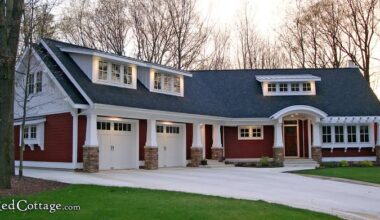
Groups planning multiple hiking days often settle into cabins and homes near Big Bear Lake so they can rotate short and long routes without repacking. Being ten minutes from the trailhead in the morning is worth a lot after a long day out.
Seasons in Big Bear
Winter is the busiest stretch. Snow usually holds from December through March, and both ski resorts run night skiing on select weekends. Book lift tickets and dinners in advance during holiday weeks.
Spring brings snowmelt, wildflowers, and steady lake fishing. The forest greens up quickly once temperatures cross into the 60s during the day.
Summer and Fall
Summer stays comfortable, with afternoon temperatures usually in the low 80s and evenings that call for a light jacket. Kayaking, paddleboarding, and slow lake days dominate the calendar.
Fall is short and stunning. Aspens and oaks turn in mid to late October, and weekday visits during that stretch are some of the most relaxed you can find in the area.
What to Pack
Layers do the heavy lifting year round. A warm midlayer, a shell, and a lighter shirt cover most day trips, even in summer.
Sunglasses, a brimmed hat, and real sunscreen matter more at elevation than most first time visitors expect. UV exposure climbs quickly above 6,000 feet.
Small Items That Help
Reusable water bottles, a small backpack, and a headlamp cover the practical basics. Bear spray is unnecessary in Big Bear, but a proper trash routine at your rental is not.
Snow chains, a snow brush, and a warm blanket in the car are worth carrying between December and March. Storms move in fast and the road home can turn slow with no warning.
Planning the Trip
Two nights lets you sample the lake and one trail. Three or four nights turns it into a real reset, with room for a longer hike, a slow morning, and one drive up to the higher lookouts.
Look at cabins and homes near Big Bear Lake that put you within walking distance of the Village or right against the forest edge, depending on the kind of trip you want.
Big Bear rewards a slower plan, a real hike, and an unhurried evening on the porch. Give it the time and it usually gives back more than expected.