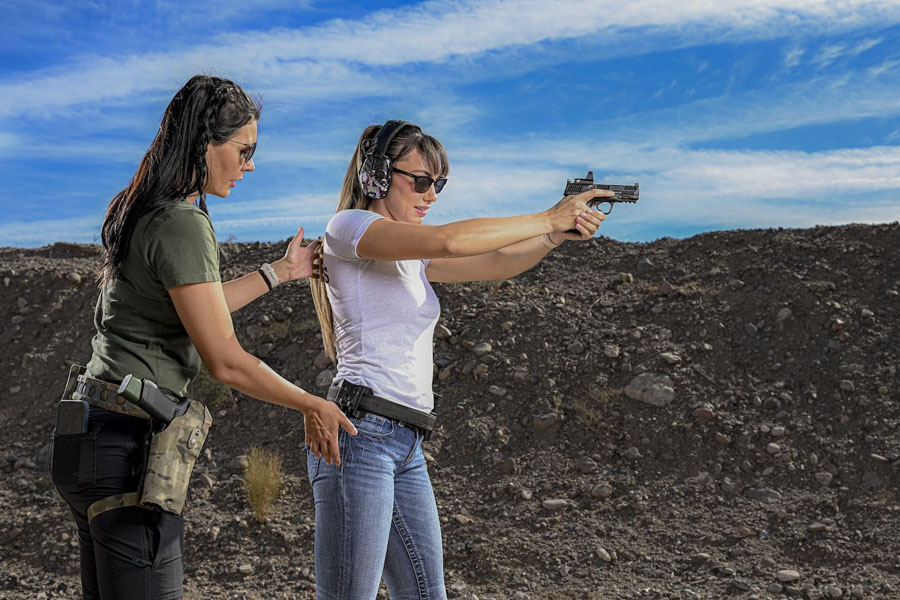
Clear direction forms the backbone of any live-fire environment. Instructors who speak directly and maintain order build a secure setting where participants learn without confusion.
Setting expectations before handling firearms prevents dangerous mistakes. Simple routines help students focus on skill development rather than unnecessary stress.
Setting Clear Verbal Commands
Range commands must stay concise and distinct. Direct instructions keep everyone aware of immediate actions. Clear vocal cues prevent misinterpretation when ear protection muffles sound.
Instructors need standard terminology that leaves no room for guessing. Signing up for structured gun training helps new shooters learn standard range language before handling live ammunition. Repeating these callouts creates muscle memory and rapid compliance.
Clear commands establish order across the entire firing line. Every participant understands exact steps during live exercises. Consistent words create safe environments for all skill levels.
Establishing Standard Range Discipline
Safety rules should be explained before anyone enters the range. Everyone should wear eye and ear protection and follow the range rules. Equipment should always be kept pointed in the safe direction set by the range.
A short safety talk before practice can prevent confusion. Students should know where equipment stays until they are told to use it. Clear instructions help everyone understand the rules and know what to do from the start.
Safe habits should be repeated during the whole session. Simple reminders help everyone stay focused and follow the rules. Clear safety steps make range activities easier to manage and help lower the chance of accidents.
Structuring Progressive Coaching Techniques
Good feedback should help students improve instead of making them feel bad. Instructors should explain mistakes in a calm and clear way. Teaching one step at a time helps students learn without feeling confused or stressed. It also gives them time to practice each skill before moving on.
Instructors should teach basic safety habits during early lessons to build confidence:
- Keep muzzles pointed safely
- Keep fingers off triggers
- Follow safe benching steps
Breaking harder skills into small steps makes learning easier. Students can learn basic control before moving to more complex practice. Clear and calm feedback also helps students trust their instructor and feel more comfortable asking questions.
Managing Nonverbal Communication Signals
Loud noise can make hand signals very useful during range activities. Ear protection can make it hard to hear normal speech, so simple hand signs can help people understand what to do. Clear signals can tell someone to stop, wait, or move.
Body position can also help an instructor guide students without shouting. Standing where students can see the instructor makes directions easier to follow. It also helps the instructor watch how students stand and handle their equipment during practice.
Eye contact can show that a student understands an instruction before an activity starts. A simple nod can help nervous students feel more comfortable. Quiet signals can also help keep the group calm, focused, and organized.
All About Safety in Firearm Training
Direct messaging forms the foundation of every successful shooting course. Vocal directions and structured feedback keep participants focused and secure.
Prioritizing clear instructions creates an environment where skills grow safely. Good communication transforms technical rules into lasting habits. If you’d like to learn more, check out more articles on our blog.