Biotech facilities in Chattanooga face strict compliance considerations each day. Outsourcing critical environment cleaning for biotech facilities can help facilities address these requirements with greater consistency by bringing specialized expertise and appropriate tools into the site.
Cleaning teams trained for the biotech field help reduce error risk through documented protocols, appropriate equipment, and tight process control that matches lab-specific needs. Facilities can benefit from faster response during audits when cleaning activities are documented from start to finish, supporting inspection preparation while maintaining smooth operations as demands grow or change without warning.
This approach can provide access to trained staff who help address training gaps and keep procedures aligned with evolving requirements. Labs can also benefit from contamination-control practices that include careful waste handling and strategies built around sensitive research spaces, including assignments scheduled outside peak production hours when appropriate.
Working with specialized providers can help facilities align cleaning activities with FDA-registered disinfectant labels, appropriate biohazard collection procedures, and complete documentation supporting inspection preparation in Chattanooga’s life sciences sector.
Expert cleaners understand biotech-specific cleaning requirements and can help facilities establish consistent procedures for sensitive environments.
Expert Cleaners Understand Biotech-Specific Compliance Standards
Expert cleaners know the procedures relevant to biotech sites and can set their plans around applicable industry practices. Their know-how covers controlled environments such as ISO 5, 7, and 8 classifications and critical environment cleaning for biotech facilities.
It is not enough to wipe down a surface and move on. The right method, supplies, and chemicals each play a unique role. There is a clear link between the cleaning products you pick and your site’s ability to maintain consistent cleaning standards.
The team follows entry protocols such as gowning changes at each controlled space. Facilities may see operational benefits when working with teams experienced in cleanroom environments and biotech-specific cleaning procedures. They use wipes and mop heads only in the spaces designated for them.
Their chemical choices can help limit residue or VOC off-gassing, as industry research from millfac.com points out. You get a cleaning process designed to protect sensitive research areas while supporting applicable facility requirements.
Meeting FDA and EPA Regulations with Outsourced Teams
Meeting federal biotech facility requirements takes documented procedures and appropriate controls. Outsourced teams can support processes designed around applicable FDA and EPA requirements through these specific steps:
- Quality Assurance Oversight: An outsourced cleaning partner can monitor processes through quality-control procedures that check results and identify potential process changes. This system can help identify gaps, document completed work, and support regular reviews.
- Batch Record Traceability: Cleaning documentation can provide traceability for cleaning actions, supplies, and chemicals where required by the facility’s quality system. This approach can make it easier to track and review relevant activities.
- EPA-Registered Products and Techniques: Teams can use EPA-registered disinfectants according to applicable label requirements and established procedures. This focus supports appropriate product selection, handling, mixing, and disposal practices.
- Robust Documentation for Audits: Cleaning runs can be documented and reviewed when needed. Ongoing records can support inspection preparation by showing who completed each task, which products were used, and which procedures guided the work.
Reducing Contamination Risk in Sensitive Lab Environments
Reducing contamination risk calls for more than just frequent cleaning. You get better control when plans cover design, workflow, and daily steps.
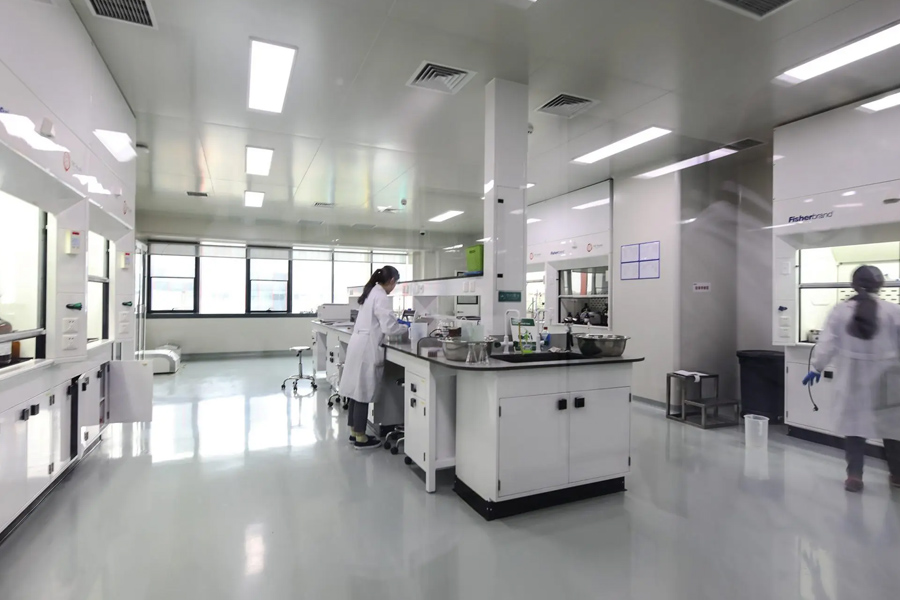
- Facility Layout Supports Prevention: Facility design directly shapes how you manage contamination risks inside a biotech lab. Well-planned room layouts, airflow controls, and clear material transfer routes can help limit areas where unwanted particles or microorganisms may accumulate. These features can help routine cleaning work more consistently and provide defined ways to manage controlled lab spaces.
- Consistent Integrated Control Programs: Integrated control programs link cleaning, disinfection, and ongoing checks into one clear plan to manage risk. This means cleaning becomes part of the daily routine, backed by clear schedules and process logs. With these steps built into daily tasks, facilities can maintain greater consistency between audits.
- Infrastructure Enables Repeatable Results: The setup of a lab, including surface materials and cleaning tools, sets the stage for repeatable results. For example, smooth, durable surfaces can allow cleaning and disinfection to take place more consistently. Automated bio-decontamination systems, when used with manual procedures, can provide an additional control within an established contamination-management program.
Documented Cleaning Protocols That Simplify Audits
Reliable audit preparation in biotech labs relies on written cleaning steps that align with current applicable requirements. The right steps give you clear documentation for each task, making audits easier to organize and review.
- Detailed Protocols Guide Daily Cleaning: Cleaning steps list every task, from gear preparation to cleaner selection, creating a repeatable daily plan. These records help maintain consistency across shifts while supporting internal checks and audit preparation.
- Step-by-Step Documentation for Each Area: Rooms, tools, and surfaces can each have their own cleaning steps listed in log sheets for review. Site logs can reduce mix-ups and help demonstrate how designated clean zones are managed.
- Real-Time Records Enable Quick Validation: A log for each completed task can record dates, times, and cleaning results in real time. Auditors can compare logged tasks with site procedures, providing documentation that the required steps were followed.
- Protocol Change History Demonstrates Ongoing Compliance: Changes to cleaning steps, chemicals, or plans can be tracked with revision dates and reasons for the change. This documentation demonstrates that the site maintains an organized process for reviewing and updating procedures.
Scalability for Growth and Sudden Compliance Demands
Growth in biotech often brings new operational and compliance requirements, and these needs can appear with little warning. Outsourced cleaning teams can provide support for sudden increases in demand or long-term growth without requiring facilities to manage every staffing need internally.
- Providers can adjust staffing levels as the research footprint grows or changes.
- If new requirements or additional audits arise, teams can adjust cleaning schedules and procedures around the facility’s established needs.
- Facilities do not have to rely solely on internal hiring and training during periods of increased demand when an appropriate external provider is available.
- Outsourced teams can bring experience with scale-up requirements, cleaning plans, and controlled-environment procedures, helping facilities address new spaces or projects.
- Flexible service arrangements may allow organizations to adjust support as operational needs change, helping protect continuity during short-term surges and longer growth cycles. This flexibility can help facility leaders maintain focus on site operations and scientific work while cleaning requirements evolve.
Accessing Advanced Equipment and Cleaning Agents
Access to appropriate tools and high-grade cleaning agents helps facilities address complex cleaning requirements in controlled biotech environments. Outsourced cleaning partners may provide access to specialized tools and products that are not commonly available through standard in-house supply inventories.
- Specialized Technology: Advanced cleaning teams may use equipment designed for biotech and pharmaceutical environments. Electrostatic sprayers and connected cleaning devices can support coverage and documentation in appropriate applications. These tools can complement established cleaning procedures and risk-based workflows.
- Proven Cleaning Agents: Providers can select cleaning solutions appropriate for controlled biotech settings and their intended applications. Products should be evaluated for surface compatibility, residue, material impact, and other facility-specific considerations.
- Enhanced Documentation: Some advanced tools can track cleaners and supplies used during cleaning cycles. Digital tracking can provide additional documentation showing which equipment and agents were used during specific activities, supporting quality reviews and inspection preparation.
Training Gaps Closed with Industry-Certified Professionals
Gaps in training can create operational and compliance risks. Trained professionals can help address these gaps for your site. They may take part in workshops, certificate programs, and ongoing skills assessments. Certification programs in Chattanooga are shaped by direct business feedback and skill needs surveys.
The focus is on current training and up-to-date best practices for your industry. Training may cover ISO standards, Six Sigma methods, and quality benchmarks addressed through workforce programs.
The state’s training resource, selects trained instructors and runs custom training sessions built around business workflows and compliance needs. You can reduce the likelihood of skill gaps when crew members receive appropriate preparation before working in sensitive areas.
Chattanooga’s training partners can shape workforce programs around current or forecasted skills gaps. A well-trained team can help facilities maintain consistent procedures as industry requirements evolve.
Minimizing Downtime During Compliance-Driven Cleanings
Compliance-driven cleanings can slow work if you do not adjust schedules and workflows. Here are five ways outsourcing can help limit downtime and support overall productivity:
- Precision Scheduling: Outsourced teams can plan cleaning tasks during low-activity periods or shift changes to reduce disruption to research or production.
- Task Specialization: Teams can be trained to divide cleaning and disinfection duties by skill, helping work move efficiently and consistently.
- Equipment Readiness: Outsourcing partners may bring specialized tools and supplies, helping facilities reduce delays associated with sourcing or maintaining equipment on-site.
- Streamlined Response: When an emergency spill or cleaning event happens, an established team can respond according to the facility’s procedures, helping limit disruption.
- Continuous Communication: Regular updates between facility staff and the outsourced crew keep teams informed and allow schedules or procedures to be adjusted when necessary.
Enhanced Biohazard Waste Management Practices
Biohazard waste needs careful handling in every biotech setting. Outsourced teams can follow procedures for sorting, storing, and labeling each type of biohazard waste. Rules for pickup and transport can be detailed because of safety and regulatory requirements.
Teams may follow designated routes for moving waste to help limit unnecessary exposure to staff or the public. Waste can be secured in appropriate color-coded containers that meet applicable requirements for biohazard waste. Regular checks and training, can help ensure that team members follow current applicable procedures.
There is also a strong focus on logs, with each pickup and drop-off recorded for later review where required. Appropriate waste storage supports facility organization and inspection preparation. Consistent disposal methods can help limit cross-contamination and operational risks.
As biohazard waste regulations become more detailed, outsourced support can help facilities manage established procedures without placing every responsibility on internal teams.
Compliance needs will continue to evolve across Chattanooga’s biotech sector. Outsourcing facility cleaning can streamline cleaning processes while helping reduce the risk of errors in critical activities. Documented cleaning protocols supported by appropriate equipment can help keep inspection records organized when needed.
When sudden audit or growth demands surface, partner teams can adjust staffing and services to help limit disruption to daily operations and research. Specialized teams can use appropriate products, monitor cleaning schedules, and address protocol gaps with expertise suited to biotechnology organizations.
Biohazard waste receives careful management based on applicable rules and detailed logs that can support facility organization and help limit cross-contamination. Crew training further supports efforts to maintain consistent procedures as regulatory expectations evolve.
Outsourced cleaning plans can help facilities maintain productivity when they are aligned with research cycles and production needs. Audit preparation can be more manageable when outsourced teams incorporate established cleaning procedures into daily workflows.
Every detail, piece of equipment, method, and document can support inspection goals for each cycle. For organizations seeking broader critical-environment facility support, Cleanstar National Inc. supports its Atlanta Metro market with professional facility services focused on operational continuity and risk-conscious facility performance.