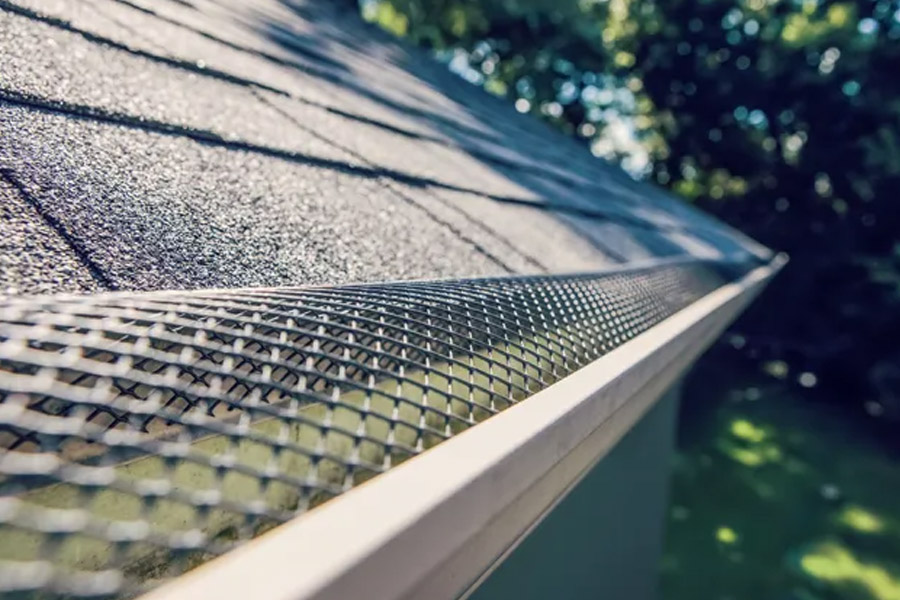
Roof drainage conditions can change throughout the year even when no exterior components have been altered. Leaves, seeds, twigs, pollen, and other organic material arrive at different times, gradually collecting along roof edges and drainage channels. Understanding how seasonal debris affects gutters helps homeowners recognize when ordinary environmental changes may be creating new maintenance demands.
Debris accumulation is rarely identical from one property to another. Tree species, surrounding vegetation, wind exposure, roof shape, and seasonal weather all influence what reaches the drainage system and how quickly material builds up. A maintenance schedule should therefore reflect conditions around the individual home rather than follow an arbitrary calendar.
Regular observation can help residents notice changing conditions before accumulation becomes severe. Ragan Roofing can evaluate roofing and drainage components when homeowners observe unusual behavior or cannot safely inspect questionable areas themselves. The practical goal is to understand seasonal patterns and respond according to what is actually happening around the property.
Recognize How Spring Creates Different Debris
Spring is commonly associated with rain, but vegetation can also release substantial amounts of small organic material. Blossoms, seeds, buds, pollen, and fragments from new growth may settle on roofing surfaces before eventually moving toward the edges.
Some spring debris becomes compact when wet. Material that appears light and scattered during dry weather can collect into thicker masses after repeated rainfall.
Homeowners should observe whether drainage behavior changes during periods of heavy tree activity. Seasonal awareness makes it easier to connect new accumulation with nearby vegetation rather than assuming maintenance needs remain constant throughout the year.
Watch for Seeds and Small Tree Material
Large leaves are easy to notice, while smaller seeds and tree fragments can be overlooked. Their size allows them to settle into confined areas and mix with other organic material.
Properties surrounded by mature trees may experience several waves of debris before autumn begins. Different species release material at different stages, so one cleanup period may not address everything that arrives later.
Observing nearby trees can help homeowners anticipate these cycles. The condition of the surrounding landscape often provides useful clues about when exterior drainage areas deserve another look.
Understand What Summer Weather Can Change
Summer does not necessarily mean drainage components remain clean. Dry periods can allow lightweight material to accumulate gradually, while thunderstorms may suddenly move that debris across roofing surfaces.
A strong rain after several dry weeks can carry dust, leaves, small twigs, and other material toward collection areas. Homeowners may notice a change only when water begins behaving differently during the storm.
Ragan Roofing can assess visible drainage concerns when their cause is unclear or difficult to observe safely. Professional evaluation is particularly appropriate when investigation would require homeowners to climb onto steep, wet, or otherwise unsafe surfaces.
Pay Attention After Windy Conditions
Wind changes where debris settles. Material may collect heavily on one side of a house while another section remains comparatively clear, making uniform assumptions about maintenance unreliable.
Look Beyond the Most Visible Roof Edge
The section visible from a driveway may not represent conditions elsewhere. Trees, neighboring structures, and roof geometry can create sheltered locations where lightweight material collects differently.
Homeowners should rely on safe observation points rather than attempting to reach hidden sections personally. If an important area cannot be viewed safely, professional inspection provides a better approach than risky access.
Prepare for Heavier Autumn Leaf Accumulation
Autumn can produce obvious maintenance demands on properties with deciduous trees. Falling leaves may reach the roof repeatedly over several weeks rather than arriving during one short event.
One cleanup early in the season may therefore be followed by substantial new accumulation. Timing should reflect how much foliage remains on nearby trees and whether drainage behavior has changed.
Leaves can also combine with smaller material already present from previous seasons. This mixture may become denser than freshly fallen leaves alone, especially after repeated exposure to rain.
Notice Where Debris Tends to Gather First
Organic material does not always distribute evenly along a roof edge. Wind patterns, nearby branches, roof features, and surface conditions can encourage accumulation in recurring locations.
Homeowners who observe the property over several seasons may begin identifying these predictable collection points. Knowing where buildup commonly starts can make routine monitoring more focused.
This does not mean other areas should be ignored. A familiar trouble spot is simply useful information that can guide attention during periods when surrounding trees are shedding heavily.
Look for Visible Changes During Rainfall
Rain provides useful information about how the drainage system is behaving. From a safe ground-level location, homeowners may be able to notice unusual overflow, water escaping from unexpected places, or sections that appear to handle rainfall differently from neighboring areas.
These observations should be made without standing beneath active work hazards or attempting to inspect the roof during poor weather. The purpose is simply to notice patterns visible from safe locations.
Photographs or brief notes can preserve those observations. Comparing behavior during later rainfall may help determine whether a condition is recurring or was associated with one unusually intense event.
Consider How Debris Changes After Getting Wet
Dry leaves and organic particles can be lightweight and loosely distributed. Once saturated, they may settle together and become more compact.
Repeated wetting and drying can change the character of accumulated material. What began as scattered debris may eventually form a denser layer that does not move as easily with ordinary runoff.
Gutters can therefore require attention even when the amount of visible debris does not initially seem substantial. The condition and concentration of material matter alongside the quantity that homeowners can see.
Account for Trees Beyond Your Property
Debris does not necessarily originate from vegetation growing directly beside the house. Wind can carry leaves, seeds, and small plant material from neighboring properties or more distant trees.
Removing one nearby tree may therefore reduce accumulation without eliminating it. Homeowners should evaluate actual seasonal conditions instead of assuming the drainage system will remain clear because vegetation immediately beside the house is limited.
Ragan Roofing can consider surrounding roof conditions when recurring accumulation or drainage concerns require professional attention. Understanding the environmental source can also help homeowners establish more realistic maintenance expectations.
Keep Winter Conditions in Perspective
Cold-season maintenance needs vary significantly by climate and property. Leaves left from late autumn may remain present into winter, while wind can continue carrying small debris onto roofing surfaces.
Homeowners should avoid unsafe attempts to clear exterior components during icy, wet, or unstable conditions. Maintenance is never worth the risk of accessing a slippery ladder or roof surface without appropriate equipment and experience.
Safe ground-level observations remain useful. Visible displacement, unusual drainage behavior, or debris accumulation can be documented and addressed when conditions permit appropriate evaluation.
Avoid Relying on One Fixed Cleaning Date
Scheduling maintenance on the same date every year may be convenient, but environmental conditions do not follow an exact calendar. An early leaf drop, extended dry period, major wind event, or unusually active seed season can shift maintenance needs.
A better approach combines routine scheduling with observation. Homeowners can watch surrounding vegetation and drainage behavior, then adjust attention when conditions indicate heavier accumulation.
This approach also avoids unnecessary assumptions. Some periods may produce little debris, while another season may require closer monitoring because environmental conditions have changed.
Build Maintenance Around Seasonal Patterns
Effective exterior maintenance begins with understanding how the property behaves throughout the year. Spring seeds, summer storms, autumn leaves, winter remnants, and wind-driven debris can create different conditions at different times.
Well-maintained gutters benefit from observation that responds to those changes rather than relying entirely on a single annual routine. Homeowners who recognize recurring collection periods can schedule attention more intelligently and notice unusual behavior sooner.
Seasonal awareness turns maintenance into a property-specific process. By observing nearby vegetation, recording recurring trouble areas, and choosing safe professional evaluation when necessary, homeowners can better understand how changing outdoor conditions influence drainage performance across the year.