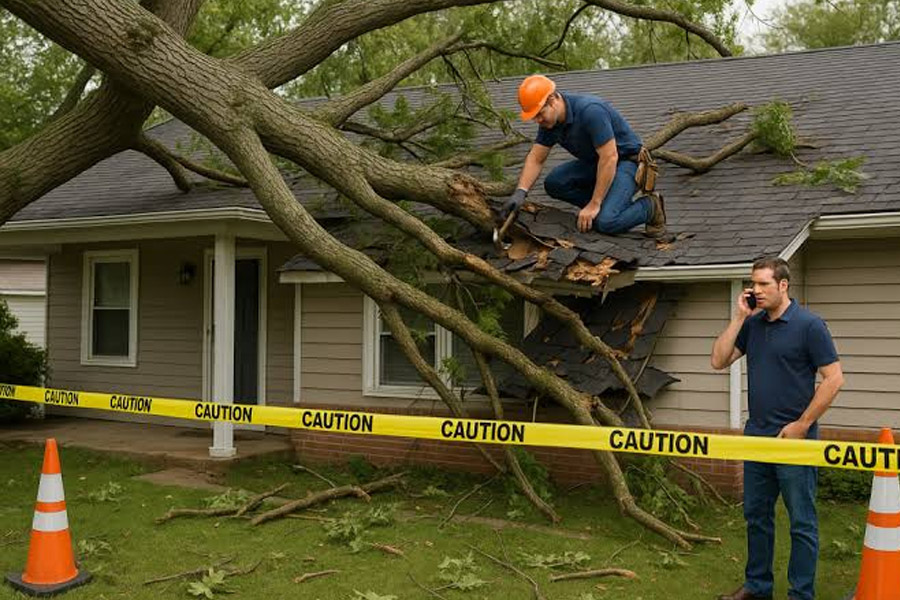
A fallen tree branch can leave obvious roofing damage, but the most visible mark may not reveal the complete condition of the affected area. Shingles, flashing, gutters, decking, and nearby roof features can experience different effects from the same impact. Roof Repairs should therefore begin with a careful evaluation rather than assumptions based solely on what homeowners can see from the ground.
Branch impacts vary considerably in severity. A small limb may leave scattered debris without causing meaningful damage, while a heavier branch can affect roofing materials or components beneath the surface. The location, weight, direction of impact, and condition of the existing roof all provide useful context when determining what deserves closer attention.
Homeowners should prioritize safety instead of attempting to inspect questionable areas themselves. Emerald Roofing and Siding LLC can evaluate accessible roofing conditions and identify concerns related to the impact. Professional assessment provides a clearer basis for deciding what work is appropriate after debris has struck the home.
Start With Safe Ground-Level Observations
Homeowners can begin by examining the property from a safe location on the ground. Visible branches, displaced materials, gutter changes, or debris patterns can provide useful information without requiring roof access.
Photographs are valuable during this initial review. Images taken from several safe angles can document conditions before debris is removed or weather changes the appearance of the affected area.
Homeowners should avoid climbing onto a potentially damaged roof. Impact can create conditions that are difficult to recognize without professional experience, making unnecessary roof access an avoidable risk.
Consider Where the Branch Actually Landed
The location of impact can influence which roofing components deserve attention. A branch striking an open roof surface creates different concerns from one landing near a valley, chimney, vent, skylight, or roof edge.
Homeowners should note where the branch appears to have made contact. Even approximate information can help professionals focus the initial evaluation while examining surrounding areas for related changes.
The final inspection should not be limited to the exact contact point. Movement during impact can affect nearby materials, particularly when a branch slides, rolls, or breaks across the roof.
Look Beyond Broken or Missing Materials
Surface damage is often the easiest condition to recognize after an impact. Cracked, displaced, or missing materials naturally attract attention because they can be visible from outside the home.
Hidden Conditions May Require Closer Evaluation
A surface that appears relatively normal does not automatically confirm that everything beneath it remains unchanged. The force of an impact may justify examining relevant supporting components depending on actual conditions.
Emerald Roofing and Siding LLC can assess the affected area within the context of the existing roofing system. The objective is to understand the scope before deciding whether corrective work should remain highly localized or address additional damage.
Check Gutters and Roof Edges
Branches do not always land near the center of a roof. Falling limbs can strike gutters, fascia areas, roof edges, or other exterior components before reaching the ground.
Homeowners can observe whether gutter sections appear displaced, bent, separated, or unusually positioned. Changes in these areas deserve attention because drainage depends on components remaining properly arranged.
Later rainfall may provide additional clues. Overflow or unusual water movement near the impact area can indicate that drainage conditions have changed since the branch fell.
Watch Interior Areas for New Moisture
Exterior impact can sometimes be followed by interior signs that deserve investigation. Homeowners should remain alert for new ceiling stains, damp areas, or other moisture evidence following rainfall.
The location of an interior stain should be documented rather than treated as proof of the exterior entry point. Water can move through roofing assemblies before becoming visible inside a room.
Photographs and dates can help establish when symptoms first appeared. Recording whether moisture followed a particular storm also provides useful context during professional evaluation.
Examine Accessible Attic Areas Carefully
Where safe access exists, an attic may provide additional information after a roofing impact. Homeowners might notice new staining, damp insulation, or visible changes near the general affected area.
Existing marks can complicate interpretation. Older staining may relate to a previous condition, which is why photographs and maintenance records can be helpful when comparing observations.
Homeowners should not enter difficult or unsafe attic spaces simply to investigate. Professional assistance is more appropriate where access presents uncertainty or where the observed condition requires technical interpretation.
Document the Event While Details Are Fresh
Information about the impact can become difficult to remember weeks later. Homeowners should record the approximate date, weather conditions, branch size, affected area, and any visible changes noticed afterward.
Photographs of the branch itself can also provide context. Images showing where it landed and how it contacted the structure may remain useful after cleanup removes that evidence.
Documentation does not determine the required solution by itself. It simply preserves information that can support later discussions with contractors, insurers, or other relevant professionals.
Avoid Removing Large Branches Without Planning
A substantial branch resting on a roof can present hazards beyond roofing damage. Its weight and position may make removal difficult, and moving it carelessly could create additional damage.
Homeowners should avoid pulling heavy limbs from the ground or climbing onto the roof to cut them. Qualified tree professionals may be necessary when branch removal requires specialized equipment or knowledge.
Roofing evaluation can follow appropriate debris removal when conditions permit. Coordinating the process helps avoid treating branch removal and roof assessment as unrelated activities when both affect the same area.
Consider Nearby Flashing and Penetrations
Roof surfaces contain transitions around vents, chimneys, walls, skylights, and other penetrations. A branch impact near these features may warrant attention even when the feature itself does not appear obviously damaged.
Flashing and surrounding materials help manage water where continuous roofing surfaces are interrupted. Changes around these locations may be less noticeable from ground level than missing surface materials.
Professional inspection can determine whether nearby transitions were affected. This broader review helps Roof Repairs address conditions connected to the impact rather than focusing exclusively on the most visible mark.
Review Previous Roofing Conditions
Existing roof history provides important context after new damage occurs. A section that previously required service may need to be evaluated differently from an area with no known history of problems.
Homeowners can gather earlier invoices, photographs, inspection findings, and installation records. These documents help distinguish conditions known before the impact from changes that appeared afterward.
A clear timeline also prevents unrelated aging from being automatically attributed to the branch. Accurate assessment should separate existing conditions from damage reasonably associated with the recent event.
Monitor the Area After Initial Work
Completing corrective work does not mean homeowners must immediately forget the affected area. Future rainfall provides opportunities to observe whether drainage and interior conditions appear normal.
Maintenance records should identify what work occurred and when. Photographs taken after completion can provide a useful comparison point during future inspections.
Emerald Roofing and Siding LLC can provide relevant project information associated with completed work. Keeping those details with broader roofing records gives homeowners a more organized history for later maintenance decisions.
Respond to Impact With Evidence
Tree branch damage can range from superficial contact to conditions requiring meaningful roofing attention. The appropriate response depends on what was struck, how surrounding components were affected, and what professional evaluation reveals.
Homeowners can contribute useful information through safe observations, photographs, weather records, interior monitoring, and previous roofing documentation. These details create context without requiring risky attempts to diagnose damage personally.
Roof Repairs are most effective when their scope reflects actual findings. By examining surface materials, roof edges, drainage components, nearby transitions, interior clues, and previous conditions, homeowners can move beyond the first visible sign and make decisions based on a fuller understanding of how the branch affected the roofing system.