Key Takeaways
- Select security hardware according to the actual site risk, not simply because the drive style looks unusual.
- Account for weather, corrosion, vibration, mounting material, and access requirements before specifying a fastener.
- Permanent, removable, and captive designs each serve different maintenance needs.
- Fasteners are most effective when combined with a well-designed enclosure, controlled tools, inspections, and other security measures.
Why Fastener Selection Deserves More Attention
An exposed screw, bolt, or nut can become the easiest point of entry on public-facing equipment. Selecting appropriate hardware from a specialist such as Bryce Fastener can help facility teams make panels, fixtures, cabinets, and installed components less convenient for unauthorized people to remove or open. A missing fastener can create more than a cosmetic problem. It may allow water into an electrical cabinet, loosen a public fixture, expose internal components, or create a sharp-edge or falling-part hazard. Tamper-resistant hardware is intended to delay, discourage, or make unauthorized access more difficult. It is not a guarantee that a determined person with enough time and tools can remove the hardware.
Start With a Basic Site Risk Review
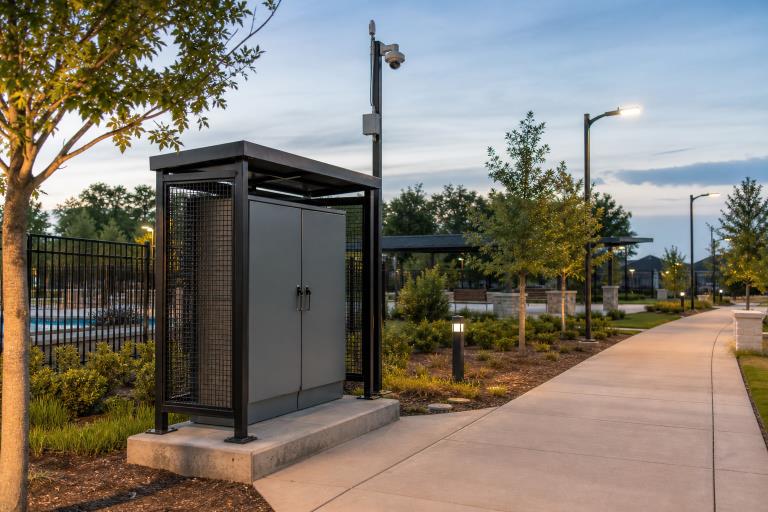
Before choosing a drive style, assess the location, the asset, and the likely consequences of access. A public charging station, outdoor control cabinet, transit fixture, or playground component may all need different levels of protection because their exposure, service schedules, and safety implications differ.
Questions to Ask First
- Can someone reach the fastener easily from ground level?
- What happens if the panel, cover, or fixture is removed?
- Is the equipment valuable, safety-critical, or connected to utilities?
- How often do authorized workers need to open the assembly?
- Is the site monitored through lighting, staff presence, cameras, or alarms?
- Could loose hardware create an electrical, trip, falling-object, or sharp-edge hazard?
Match the Fastener to the Security Level
The best option is not always the fastest to remove. A practical specification should provide enough deterrence for the location while allowing authorized workers to complete repairs without damaging the surrounding equipment. For installations where ordinary tools create an avoidable vulnerability, tamper proof screws can be considered alongside the enclosure design, access method, and service plan. A security fastener should address a real risk rather than serve as a substitute for other protective measures.
- Low-risk locations:A less common drive may deter casual interference in visible or supervised areas.
- Moderate-risk locations:A specialized drive requiring a matching bit, socket, or driver can limit access by people carrying standard tools.
- High-risk locations:Restricted tooling, concealed attachment points, captive components, or permanent hardware may be appropriate.
- Critical equipment:Pair fasteners with robust enclosures, controlled access, lighting, monitoring, and documented inspections.
Compare Common Tamper-Resistant Designs
- Pin-in drives:A center pin prevents the use of a standard driver with the same general profile.
- Two-hole drives:These require a matching two-prong tool for installation and removal.
- One-way screws:They are designed to tighten in the intended direction while resisting removal with ordinary drivers.
- Uncommon polygon drives:Less familiar head shapes can reduce compatibility with general-purpose toolkits.
- Shear-head fasteners:A portion of the head breaks away during installation, leaving less material available to grip.
- Captive fasteners:The fastener remains connected to the cover or panel, reducing the chance of lost hardware during service.
These choices support the broader idea that security measures should hinder and deter access while considering alternative entry points. Effective tamper-resistant design principles look beyond one screw head and consider the entire assembly.
Consider the Mounting Material and Full Assembly
A secure head does little if the surrounding material is weak or another attachment point remains exposed. Wood, sheet metal, structural steel, aluminum, concrete, plastics, and composites all require attention to fastener length, thread engagement, pilot-hole size, substrate thickness, and anticipated load. Review the full installation before finalizing the hardware. An exposed rear nut, weak anchor, flexible panel edge, accessible hinge pin, or poorly supported seam may offer an easier path to removal than the fastener itself. Washers, threaded inserts, backing plates, or appropriate anchors may be needed to support the intended connection.
Choose Materials for the Real Environment
Outdoor installations must withstand the conditions actually present at the site, including rain, humidity, salt air, road spray, dust, cleaning chemicals, heat, cold, and vibration. Stainless steel, coated carbon steel, and other materials can be suitable in different applications, but the selected fastener must also be compatible with the panel, washer, frame, and surrounding components. Galvanic corrosion can occur when dissimilar metals are electrically connected in the presence of an electrolyte such as moisture. The risks associated with dissimilar metals in corrosive environments are especially relevant for equipment near coasts, roads, industrial areas, or locations exposed to persistent moisture. Check drainage, coating condition, chemical exposure, and material contact before choosing the final combination.
Balance Security With Maintenance
Maintenance access should be planned before installation. A fastener that is difficult for everyone to remove can extend downtime and encourage workers to drill, cut, or damage adjacent components during urgent repairs.
- Rarely serviced covers:Permanent or difficult-to-remove hardware may be practical.
- Scheduled maintenance panels:Removable security fasteners with controlled tools can balance deterrence and access.
- Frequently opened panels:Captive hardware can speed service and prevent small parts from being dropped or misplaced.
- Emergency access points:Keep the approved removal method documented and the required tool available to authorized personnel.
Plan Tool Control, Installation, and Inspections
Document the fastener type, size, material, drive style, torque requirement, and approved removal method in asset records. Assign specialty bits, sockets, or drivers to authorized teams, maintain spare hardware, and update the record whenever the enclosure or attachment method changes. During installation, verify length and thread engagement, keep the driver fully seated, follow the specified torque range, and avoid over-tightening. Confirm alignment before final torque, then inspect for gaps, loose parts, exposed edges, damaged drive recesses, and alternate access points. Set an inspection interval that reflects exposure, equipment value, service history, and local conditions. Inspect for missing, loose, bent, corroded, or damaged fasteners; failed coatings; moisture stains; forced-entry marks; and deterioration around hinges, seals, anchors, and panels. Record the inspection date, observed condition, repairs, and replacement hardware.
Common Selection Mistakes
- Using a common drive on a public-facing, higher-risk installation.
- Assuming a security screw can compensate for a weak enclosure or exposed nut.
- Ignoring corrosion risks created by incompatible metals.
- Using permanent hardware on equipment that requires frequent service.
- Failing to control the matching tools or document removal procedures.
- Skipping checks for torque, substrate strength, thread engagement, and alternate entry points.
Conclusion
Choosing tamper-resistant fasteners is a design decision, not a last-minute purchasing choice. The right hardware should be selected with the intended application and maintenance requirements in mind. Evaluate the potential threat, mounting material, environmental conditions, service frequency, tool control, and complete assembly together before making a final selection. Factors such as exposure to moisture, outdoor conditions, vibration, repeated access, and the condition of the mounting surface can also affect how well a fastening system performs over time. It is equally important to consider whether authorized personnel can access the hardware when inspection, maintenance, or replacement is required. A well-planned fastening approach can make public and outdoor equipment harder to disturb while maintaining practical access for authorized inspection and repair. By considering security, durability, installation, and maintenance as part of the same decision, designers and facility managers can select hardware that better fits the equipment and its operating environment.