A band of material for transporting materials with regularity, such as coal, ore, and rocks. Reduces the need to reuse manual handling operations at mining sites. A well-designed system also helps to ensure seamless production and improved workflow. But belts and parts can be subjected to a lot of stress in mining operations. The right is offered to assist in a conveyor system to satisfy these tough conditions.
The heavy load, dust, impact, and rough material should be moved by the mining conveyor belts. They will also need to be suitably protected against wear, heat, and other operating risks. The design of the system should be related to the material, distance, load, and working environment.
Strong Belt Construction
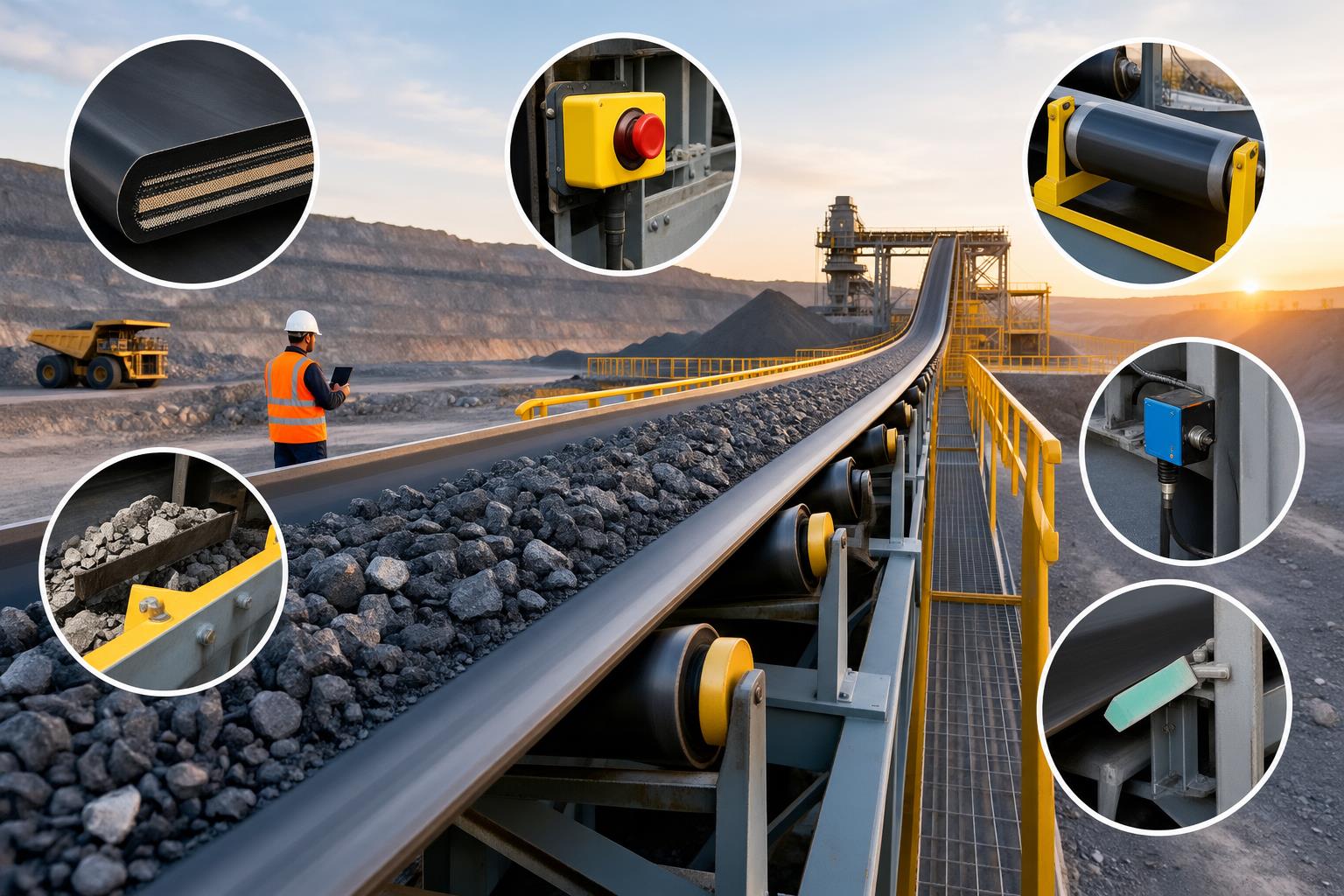
Due to the heavy work done on a daily basis, the mining conveyor belt should be built well. High tensile strength is important for the belt’s ability to carry heavy loads while in use. Abrasion resistance safeguards the belt surface from the presence of rough and sharp materials.
The belt should also be impact-resistant if there are large rocks that fall on the belt. A strong belt can help to prolong the lifespan and minimize the required belt replacement. Choosing suitable Rentone Belt mining conveyor belts can support the needs of demanding mining applications.
Essential Security Features
- Emergency Stops: These help to control the conveyor in dangerous situations.
- Belt Guards: Guards minimize contact with moving parts of the conveyor.
- Fire Resistance: Appropriate belts alleviate fire hazards in challenging mining environments.
- Belt Tracking: Belt tracking systems help to keep the belt tracking during operation.
- Warning Systems: Alarms and indicators warn if problems are likely to occur.
Efficient Load Handling
Efficient load handling helps to move materials efficiently throughout the mining site. The width of the belt should be equal to the amount of material and the capacity of the conveyor. The belt speed should also be suitable for the material to be conveyed and the system design.
To minimize the impact and loss of the material, loading points should be supported. Skirt systems can be used to help minimize spillage around critical transfer points. Controlled and clean loading allows loading to be more efficient and reduces unnecessary belt wear.
Smart Monitoring Systems
- Temperature Sensors: Temperature is measured by monitoring the unusual temperature of the main parts.
- Speed Sensors: These systems can be employed to detect abnormal conveyor velocity.
- Alignment Sensors: Excessive belt misalignment can be detected by alignment sensors.
- Rip Detection: Detection systems can help identify serious belt damage early.
- Condition Monitoring: Regular data can support better maintenance planning.
Easy Maintenance Access
A mining conveyor system that can be easily inspected and maintained would be better. Rollers, pulleys, belts, and other components can be easily accessed for inspection by the maintenance staff.
Unwanted belt problems can be minimized and material buildup reduced with regular cleaning. Proper alignment can also help to reduce early operating stress and wear. Easy access for maintenance can help to minimize downtime and make maintenance safer.
Conclusion
A well-designed mining conveyor belt system should be strong, safe, and efficient. This construction of the belt is also advantageous for heavy loads and in rough working conditions. Safety features are used to increase equipment and mining worker safety. Monitoring systems are beneficial to identify errors in advance before they become a big problem.