Sports writing has traditionally been associated with press boxes, locker rooms, stadiums, and newspaper offices. Today, however, a growing amount of sports journalism can be done remotely.
A laptop, internet connection, research skills, and a strong understanding of a particular sport can be enough to start building a career. Writers can cover games from home, interview sources over video calls, analyze statistics, publish breaking news, and contribute to publications without ever being physically present at the venue.
That doesn’t mean becoming a remote sports writer is easy. Competition is high, deadlines can be demanding, and writers need to prove they can produce reliable and engaging work without being in a traditional newsroom.
For aspiring writers, though, remote sports writing can offer a flexible way to build a career around a favorite sport or team.
Choose a Sport or Area to Cover
The first step is deciding what you want to write about.
You don’t necessarily need to focus on one sport forever, but having a clear specialty can make it easier to establish yourself. Someone who follows the NFL closely, for example, may have an advantage covering the Buffalo Bills because they already understand the roster, coaching staff, division, and history.
The same applies to the NBA, MLB, NHL, soccer, college sports, motorsports, or other areas.
You can also specialize in a particular type of sports content. Some writers focus on:
- Game previews and recaps
- Breaking news
- Player profiles
- Opinion and commentary
- Statistical analysis
- Interviews
- Features and long-form stories
- Sports business
- Fantasy sports
- Betting content
Starting with an area you genuinely understand makes it easier to develop original ideas and produce informed coverage.
Start Building a Portfolio
One of the biggest challenges for new sports writers is the experience paradox: publications want writers with experience, but you need opportunities to gain that experience.
A portfolio helps solve the problem.
You don’t need dozens of published articles to get started. A handful of strong examples can demonstrate your ability to research, structure, and write a sports story.
If you haven’t been published yet, create your own samples.
Write a game analysis, player profile, team preview, or feature article. Treat it like a professional assignment rather than a school exercise.
For example, if you want to cover the Seattle Mariners, you could create several pieces examining the team’s roster, a recent series, a particular player’s development, or an important storyline heading into the season.
The goal is to show editors what you can produce.
Learn How to Research From a Distance
Remote sports writing requires strong research skills because you may not have access to a locker room, press conference, or stadium.
Fortunately, the internet provides enormous amounts of information.
Official team and league websites, press releases, statistics databases, interviews, news conferences, and reputable publications can all provide information for a story.
Social media can also be useful for monitoring breaking news and identifying potential storylines, but it shouldn’t automatically be treated as a reliable source.
If a major player injury or trade is being discussed online, verify the information through an official announcement or credible reporter before publishing it.
Being remote makes verification even more important.
Learn to Use Sports Statistics
Modern sports writing is increasingly data-driven.
You don’t need to become a professional statistician, but understanding the basic statistics associated with your sport can significantly improve your writing.
An NFL writer should understand more than passing yards and touchdowns. NBA writers can look at efficiency and advanced shooting statistics, while MLB writers can use metrics that provide more insight into pitching and hitting performance.
Statistics are particularly useful for remote writers because they can provide context when you aren’t physically at the game.
Instead of simply describing what happened, you can explain why it mattered.
Develop Your Own Voice
There are thousands of sports articles published every day. Good writing alone isn’t always enough to stand out.
Developing a recognizable voice can help.
That doesn’t mean every article needs to be opinionated or informal. It means your writing should have a clear perspective and personality while remaining appropriate for the publication.
Consider what you can offer that another writer cannot.
Perhaps you are particularly good at explaining statistics in simple terms. Maybe you specialize in player development, tactical analysis, or the business side of sports.
Finding that niche can help you become more valuable to editors.
Learn Basic SEO
Remote sports writers increasingly need to understand how readers find articles online.
Search engine optimization, or SEO, can help your work reach a larger audience.
Basic SEO knowledge includes understanding search intent, writing useful headlines, using descriptive subheadings, and naturally incorporating relevant terms into an article.
You should also learn how evergreen and timely sports content differ.
A game recap may attract significant traffic immediately after a game but become less relevant quickly. A detailed guide about a team’s history, a player profile, or an explanation of a particular rule may continue attracting readers for months or years.
Understanding both types of content can make you more useful to digital publications.
Pitch Sports Publications
Once you have a few strong samples, start pitching publications.
Don’t send the same generic email to every sports website. Research the publication first and understand what it covers.
Look for gaps in its existing coverage.
Instead of saying, “I would love to write for your website,” propose a specific article idea.
For example:
“I noticed you have been covering the Bills’ offseason extensively. I’d like to pitch a piece examining how the team’s new offensive approach could affect its red-zone production.”
A specific pitch demonstrates that you’ve actually researched the publication and understand its audience.
Keep pitches concise. Editors are busy, and they don’t need your entire career history in the first email.
Look Beyond Traditional Sports Publications
Becoming a remote sports writer doesn’t necessarily mean working for a major sports website.
There are opportunities with local news organizations, team-focused websites, newsletters, magazines, sports businesses, blogs, content agencies, and independent publications.
Local outlets can be particularly useful for building experience.
A writer covering a smaller team or local sports scene can often find opportunities that are difficult to get at major national publications.
Those assignments can help build a portfolio that eventually leads to larger opportunities.
Build Relationships With Editors
Getting one assignment is great. Becoming a writer an editor regularly relies on is even better.
Meet deadlines. Follow the publication’s style guidelines. Respond to messages promptly. Fact-check your work. Don’t make an editor chase you for a story.
These basic habits can have a significant impact on your career.
Over time, editors may begin sending assignments directly to you rather than requiring you to pitch every story.
Remote work makes reliability especially important because editors aren’t seeing you in an office every day. Your work and communication have to demonstrate that you can be trusted to work independently.
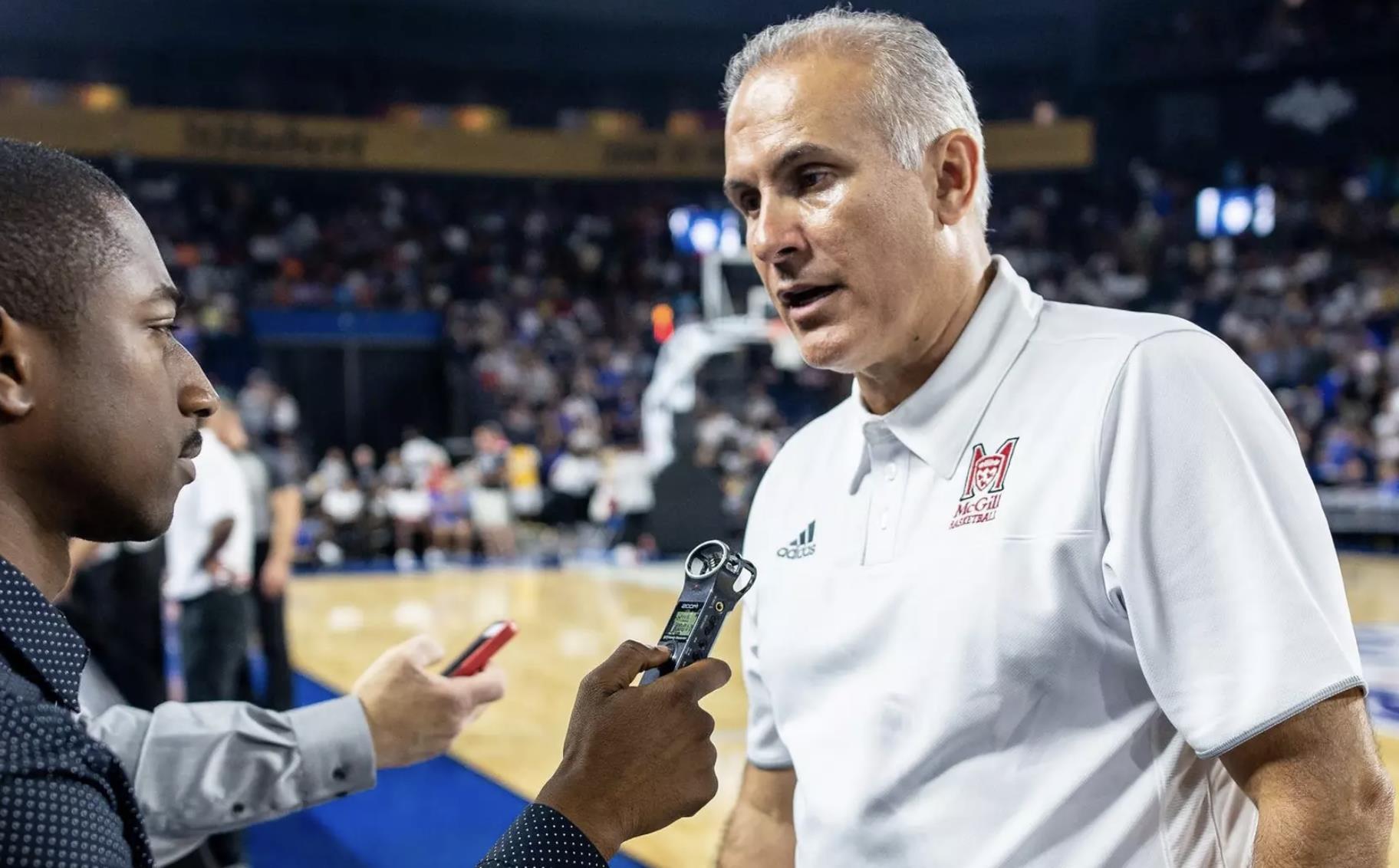
Get Comfortable With Remote Interviews
Being remote doesn’t mean you can’t conduct interviews.
Video calls, phone interviews, email interviews, and other digital communication tools make it possible to speak with sources from almost anywhere.
Before an interview, research the person and prepare specific questions.
Avoid questions that can be answered with a quick internet search. The best questions encourage sources to explain something, provide an opinion, or tell a story.
Afterward, verify quotes carefully before publishing them.
Use Technology to Improve Your Workflow
Remote writers have access to a wide range of tools that can make their jobs easier.
Writing platforms can simplify collaboration with editors. Project-management software can keep track of deadlines, while transcription tools can save time after interviews.
AI can also assist with research organization, brainstorming, transcription, and other repetitive tasks.
The key is using technology as a support system rather than allowing it to replace your reporting and judgment.
Your value as a sports writer comes from what you notice, how you interpret it, and how effectively you communicate it.
Follow Games Like a Reporter
Watching a game as a fan and watching one as a writer are two different experiences.
A fan may focus on whether their team wins. A writer should also be asking why the game unfolded the way it did.
What tactical adjustment changed the game? Which player had an unexpected impact? Was there a particular matchup that determined the result? Did a coaching decision change momentum?
Take notes while watching.
Record important plays, quotes from broadcasts or press conferences, statistics, and potential story ideas. These notes can make writing the article much easier afterward.
Be Prepared for Fast Deadlines
Sports writing can move extremely quickly.
A major trade can happen in the middle of the day. A player can get injured during a game. A coach can make an unexpected announcement after a loss.
Remote writers need to be comfortable reacting quickly while maintaining accuracy.
It is better to take an extra minute to verify an important detail than to publish incorrect information simply to be first.
Speed matters, but credibility matters more.
Start Small and Build Up
You don’t need to land a national sports writing job immediately.
Start with smaller publications, freelance assignments, independent websites, newsletters, or your own platform.
Each assignment can help you improve your writing, build your portfolio, develop contacts, and understand what editors expect.
Over time, you can use that experience to pursue better-paying assignments and larger publications.
Think of your career as a progression rather than a single opportunity.
The Skills That Matter Most
Successful remote sports writers tend to combine several skills.
They need to be good writers, but they also need to be curious, organized, reliable, and comfortable with technology.
The ability to research quickly is important. So is understanding statistics, communicating with editors, meeting deadlines, and identifying stories that readers will care about.
Perhaps most importantly, remote writers need to be self-motivated.
There may be no newsroom around you and no editor sitting nearby reminding you about a deadline. You have to create your own structure and hold yourself accountable.
Building a Career From Anywhere
Remote sports writing has made it possible to build a journalism career without living in the same city as the teams or publications you cover.
A writer in one part of the country can cover an NFL team hundreds or thousands of miles away. A baseball writer can analyze the Seattle Mariners from home. A soccer writer can follow international competitions from a laptop.
Technology provides access to statistics, video, interviews, press conferences, photographs, and breaking news from almost anywhere.
But technology is only part of the equation.
The writers who stand out are the ones who can take all that information and turn it into something useful, interesting, and original.
If you can consistently produce accurate stories, meet deadlines, develop strong relationships with editors, and find compelling angles, remote sports writing can become much more than a side project. It can become a genuine career.