Minneapolis winters keep people indoors for months at a time, and locals have found their favorite antidote in the neighborhood sports bar. What started as a place to catch a game turned into something bigger: a regular meeting point where friendships form over shared wins and losses.
This shift didn’t happen by accident. Bars adapted their layouts, menus, and screens to match how people actually want to spend their evenings together, and Minneapolis residents responded by making these spots part of their weekly routine.
Game Day Rituals Bring Neighbors Together
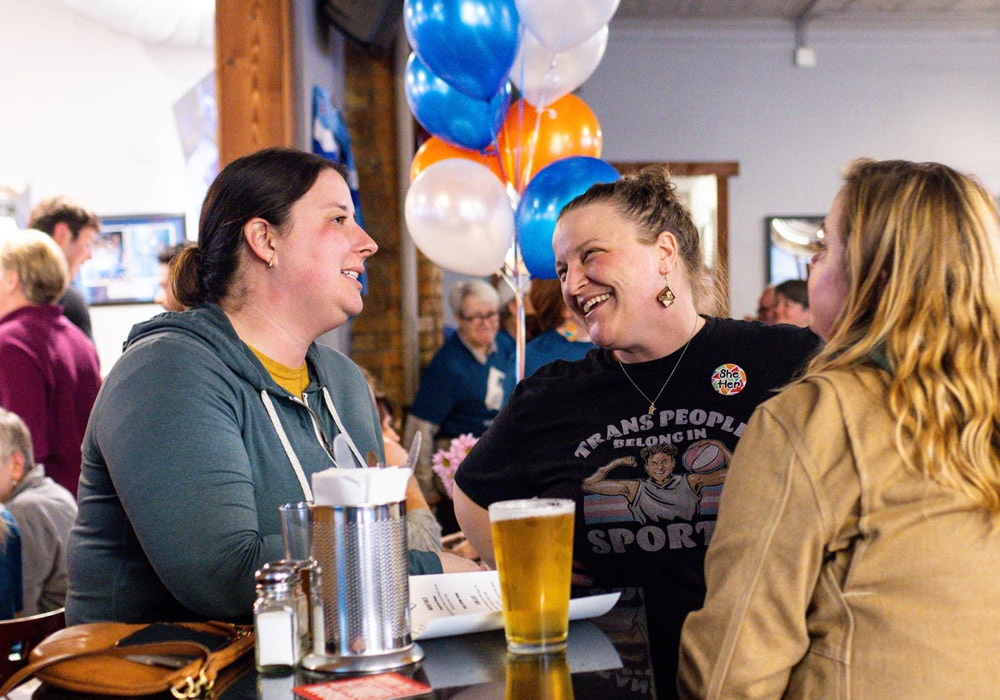
Weekly viewing parties turn casual visitors into familiar faces fast. Once someone claims the same stool for three Sunday games in a row, the bartender knows their order, and the regulars nearby start saving them a seat. That kind of consistency builds a small community almost without anyone noticing it happen.
Shared team loyalty also breaks the ice quicker than any small talk ever could. Two strangers wearing the same jersey have an instant reason to strike up a conversation, and within a few minutes they’re debating a coaching decision like old friends. Sports give people a shortcut past the usual awkward small talk.
According to a staff member at The Rabbit Hole sports bar, one simple habit makes a real difference for newcomers: arrive a little before kickoff and ask the bartender which seats offer the best view of the main screen. Staff members tend to know the room better than anyone, and a quick question often leads to a better night out.
Big screens and upgraded sound systems play their part too. A packed bar with a dozen screens showing the same play from different angles recreates something close to the stadium experience, minus the parking hassle. That combination of visuals and crowd noise keeps people coming back even when their team isn’t playing particularly well.
Neighborhood Bars Replace Disappearing Community Spaces
Minneapolis has lost a fair number of community centers and social clubs over the past decade, and sports bars have quietly stepped into that gap. Where people once gathered at a union hall or a church basement for weekly meetups, they now gather around a bar counter instead, and the format works just as well.
Bartenders often become informal connectors within their neighborhoods. They remember names, birthdays, and which team someone roots for, and they introduce regulars to each other without making it feel forced. That kind of quiet matchmaking turns a simple bar visit into something closer to a standing social appointment.
Friendships that start over a shared table frequently extend well past closing time. Regulars trade phone numbers, plan fishing trips, or start carpooling to away games together, and none of that would happen without the bar serving as the initial meeting ground. The bar becomes the starting point rather than the whole story.
Sports bars fill a role that fewer and fewer venues in the city still offer: a low-pressure, no-cost-to-enter space where people can show up alone and leave with new friends. That accessibility matters more than most people realize when they’re choosing where to spend a weeknight.
Minneapolis Sports Culture Fuels Bar Loyalty
Vikings games alone can fill a bar to capacity by kickoff, and Wolves and Twins fans bring a similar level of devotion during their respective seasons. That year-round rotation keeps foot traffic steady no matter the month, giving bars a reliable base of regulars rather than one busy season followed by a slow stretch.
College sports crowds add another wave of loyal patrons on top of the professional teams. Gopher football Saturdays draw alumni and current students alike, and many of them stick around afterward for a second or third round while comparing notes on the game. That overlap between college and pro fans keeps the bar lively all week.
Local rivalries give people an easy conversation starter the moment they walk through the door. Someone doesn’t need an introduction to talk trash about a division rival; they just need to sit down near someone wearing the wrong colors. That built-in dynamic makes sports bars unusually easy places to strike up a conversation with strangers.
Plenty of fans plan entire weekends around the schedule, working backward from kickoff to figure out when to grab dinner or meet up with friends beforehand. That kind of planning turns a single game into a full day of socializing, and the bar sits right at the center of it.
Food and Drink Menus Keep People Staying Longer
Shareable appetizers do a lot of quiet work here. A table full of wings, pretzels, or nachos naturally pulls a group together, since everyone reaches for the same plate instead of ordering separate meals. That shared food dynamic keeps conversation flowing and makes the whole table feel more connected.
Local beer selections tie a lot of these bars directly to Minnesota’s identity. Featuring a rotating list of Twin Cities breweries gives regulars something to feel proud of, and out-of-town visitors often ask for recommendations before they order. That local flavor gives the bar a personality beyond just being a place to watch a game.
Happy hour pricing stretches out weekday visits in a way that weekend games can’t quite match. A discounted plate and a lower-priced pint give people a reason to stop by after work even when nothing important is on the schedule, and that habit often carries over into weekend loyalty too.
Menu variety keeps both solo visitors and larger groups satisfied at the same table. Someone eating alone can grab a quick sandwich, while a group of six can order a spread to share, and neither person feels out of place doing their own thing. That flexibility matters more than most menus give it credit for.
Technology Upgrades Change How Fans Watch Together
Multiple screens let bars show several games running at once without anyone missing a play from their own matchup. A Vikings fan and a Wolves fan can sit at the same table and still catch every important moment, which keeps mixed groups happy instead of forcing anyone to compromise on what they watch.
Sports apps and live betting boards have added a layer of interactivity that older bar setups never had. Patrons check odds on their phones between plays or track a fantasy lineup mid-game, and that constant engagement keeps people glued to their seats even during a slower quarter.
Trivia nights and fantasy league draft parties extend a bar’s relevance well beyond the actual game days. A Tuesday trivia night draws in a different crowd than a Sunday football audience, and that variety keeps the bar’s calendar full throughout the week rather than depending entirely on live sports.
Reliable wifi and charging stations have quietly turned some sports bars into daytime hangouts too. Remote workers post up with a laptop during the afternoon, order lunch, and stay through happy hour, blending work and socializing in a way that simply wasn’t possible a decade ago.
Conclusion
Minneapolis locals didn’t set out to turn sports bars into their main social outlet, but the pieces fell into place naturally. Between disappearing community spaces, deep local sports loyalty, and bars that keep upgrading their food, tech, and atmosphere, the shift made sense.
Now, sports bars function more like a neighborhood living room than a place to grab a drink. Given how much they’ve adapted to fit local habits, that role looks likely to stick around for a long time.