Key Takeaways
- Do not argue with officers, resist arrest, or try to explain the entire incident in the moment.
- Clearly invoke the right to remain silent and request legal counsel before answering investigative questions.
- Keep track of bond conditions, court dates, paperwork, and any no-contact restrictions.
- Preserve relevant evidence without deleting messages, editing videos, or contacting witnesses about their statements.
- Early legal guidance can help identify defenses, procedural issues, and practical next steps.
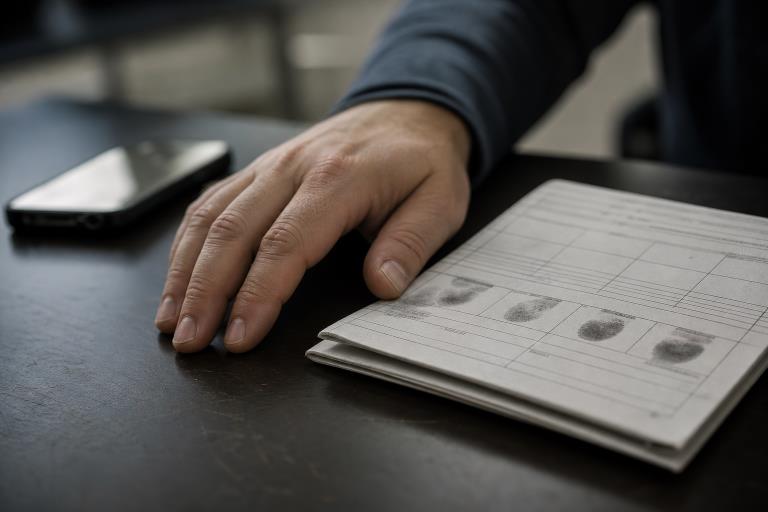
An assault or battery accusation can move quickly from a heated disagreement into an arrest, a no-contact order, a court date, and consequences that affect work, family, housing, and reputation. In the first hours after an arrest, decisions about what to say and what to preserve can matter greatly. A Savannah assault and battery lawyer from Jarrett Maillet J.D., PC can help a person understand the allegations, protect important rights, and prepare for the steps ahead.
Every case has its own facts. The circumstances may involve conflicting accounts, self-defense claims, questions about witness credibility, video footage, injuries, messages, or a prior relationship among the people involved. The most useful early approach is usually calm, organized, and careful rather than reactive.
The First Minutes After an Arrest
Being arrested is stressful, especially when a person believes the other side started the confrontation or has told police an incomplete story. Still, the safest immediate response is to stay calm. Do not pull away, make threats, destroy property, hide a phone, or attempt to persuade officers that the matter is merely a misunderstanding.
It is reasonable to ask why you are being arrested, but it is usually unwise to offer a detailed account before receiving legal advice. Booking procedures, such as providing identifying information or following basic directions, are different from answering questions designed to investigate the incident. A lawyer can later evaluate whether the police had sufficient evidence, whether the charge fits the facts, and whether important procedures were followed.
Your Rights During Police Contact
A person accused of assault or battery has important constitutional protections, including the right not to make self-incriminating statements and the right to seek counsel. A respectful, direct response can be enough:
“I want to remain silent, and I would like to speak with a lawyer.”
Trying to “clear things up” can create problems when someone is upset, injured, tired, or unsure of the sequence of events. Statements may be misunderstood, quoted selectively, or compared with later evidence. The same caution applies after booking. Calls from jail may be recorded, conversations with cellmates are not confidential, and social media posts can be preserved and reviewed later.
First Appearance And Bond
A first appearance is an early court proceeding where a judicial officer may review the charges, address basic rights, and consider bond or release conditions. Timing and procedures can vary based on the type of arrest, warrant status, court schedule, and allegations. A lawyer can help a client or family member identify the correct court, confirm the next hearing, and understand the paperwork.
What Bond Conditions May Include
- Release on personal recognizance, when permitted.
- A cash bond or surety bond.
- A requirement to avoid alcohol, weapons, or specific locations.
- Mandatory reporting, testing, counseling, or other conditions.
- A no-contact order involving the alleged victim or certain witnesses.
Release is not the end of the case. Missing court, violating a bond condition, or communicating with someone protected by an order can lead to additional trouble. If a family member needs to confirm whether an active warrant exists or determine which local office holds information, Georgia provides a way to search for existing warrants through the appropriate county channels.
Family Communication And Evidence Preservation
One trusted person should collect paperwork, track court dates, and communicate practical information to family members. That person may need the arrested individual’s full name, booking location, arrest date, bond amount, and case number. The goal is organization, not public discussion of the facts.
Evidence can disappear quickly. Video may be overwritten, witnesses may become difficult to locate, and phone data can be lost when messages are deleted or devices are replaced. Save original photos, videos, texts, receipts, medical records, clothing, repair estimates, and the names of people who may have seen or heard the incident. Do not alter files, delete unfavorable messages, or ask witnesses to change their accounts.
How A Savannah Assault And Battery Lawyer Can Help
Assault and battery charges are not all the same. The allegations may range from threatened harm to physical contact, visible injury, use of an object, or accusations involving a family or household member. The specific charge and surrounding facts can affect potential penalties, bond decisions, and the court process.
A defense lawyer can review police reports, body-camera footage, 911 recordings, surveillance video, medical documentation, witness statements, and digital communications. That review may reveal inconsistencies, missing context, mistaken identity, unreliable assumptions, or evidence supporting self-defense or defense of another person. In some cases, the central issue is whether contact was intentional, whether a threat was credible, or whether the accused person reasonably responded to an immediate danger.
Legal counsel can also help a client avoid harmful contact with an alleged victim, prepare for hearings, assess possible resolutions, and make informed decisions about a trial. If an arrest does not result in a conviction or later becomes eligible for record relief, Georgia provides guidance on the process for requesting criminal record restriction. However, eligibility depends on the case’s details and disposition.
Common Mistakes To Avoid
- Giving a long statement immediately:A rushed explanation may unintentionally harm the defense.
- Contacting the alleged victim:Even an apology or attempt to reconcile can violate a bond condition or no-contact order.
- Posting online:Messages, photos, and comments can become evidence.
- Deleting information:Deleted texts or videos may be important evidence and can raise separate concerns.
- Ignoring court notices:A missed hearing can result in a bench warrant or bond consequences.
- Assuming the case will disappear:A lack of further police contact does not necessarily mean the case is over.
A 48-Hour Action Checklist
- First hour:Stay calm, remain silent, and request a lawyer.
- First day:Confirm booking location, charges, bond status, release conditions, and the next court date.
- Within 24 hours:Gather papers and preserve relevant evidence in its original form.
- Before release:Read every bond condition carefully and ask questions about anything unclear.
- Within 48 hours:Speak with qualified legal counsel about the accusations, evidence, defenses, and deadlines.
An accusation does not determine the outcome of a case. Careful choices after an arrest, combined with a thorough review of the facts and evidence, can make a meaningful difference in how an assault or battery case is handled.