Key Takeaways
- Minor cosmetic concerns can have more than one appropriate treatment option.
- Tooth health, gum health, and bite function should be evaluated before appearance.
- Conservative treatment aims to preserve healthy natural tooth structure when possible.
- Oral hygiene and daily habits can influence how long a cosmetic repair lasts.
- The least invasive option is not always the right option for every tooth.
A small chip, uneven edge, narrow gap, or stubborn discoloration can make a noticeable difference in how a smile looks and feels. Still, a visible concern is not always only cosmetic. Sensitivity, pain, swelling, decay, or a recent injury may point to an issue that needs treatment before appearance-focused changes are considered.
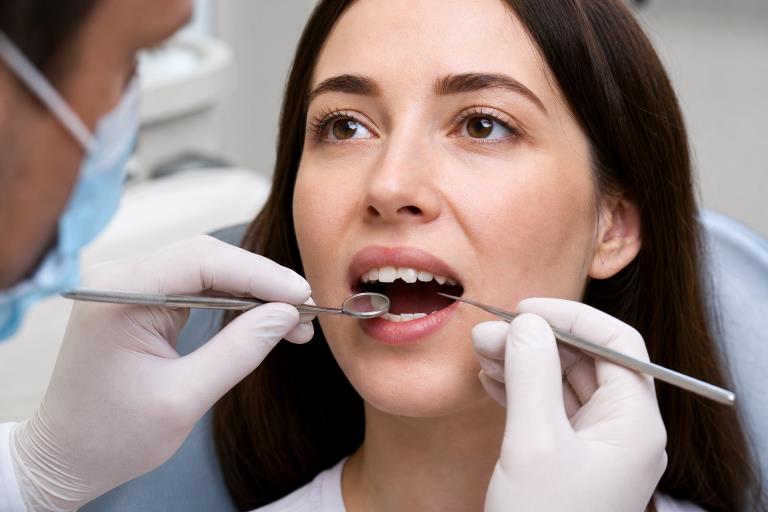
For people exploring tooth bonding in Delaware OH, the best first step is a dental examination. A dentist can determine whether the tooth is stable enough for a small repair, whether the bite puts stress on that area, and whether another option would better protect the tooth over time.
Even a minor chip after a fall, sports injury, or hard bite deserves attention. Damage that appears limited on the surface can sometimes involve a crack, nerve irritation, or changes in the way the teeth come together. Prompt evaluation can help prevent a small concern from becoming a more complex restoration later.
Good cosmetic dentistry is not about making every tooth look identical. It is about creating an improvement that fits the person’s natural tooth color, facial features, bite, and long-term oral health needs.
Patients looking for a broader overview of preventive and restorative care can also review the services offered by North Orange Family Dentistry. A personalized discussion helps connect cosmetic goals with the practical needs of the teeth and gums.
What Makes A Cosmetic Repair Conservative?
Conservative cosmetic dentistry describes treatment designed to preserve as much healthy tooth structure as possible. Rather than automatically covering a tooth with a crown or changing several teeth at once, a dentist considers the smallest suitable intervention that can safely meet the patient’s goals.
That does not mean conservative care is always permanent or appropriate. A small repair may eventually need polishing, touch-ups, replacement, or a different treatment. The right choice depends on the amount of remaining healthy enamel, the location of the concern, and the pressure placed on the tooth during chewing.
Common Options For Minor Smile Changes
Direct Composite Repair
Composite bonding uses tooth-colored resin shaped directly on a tooth. It may help improve selected chips, small gaps, uneven edges, and limited discoloration. It often allows a dentist to make a correction with little or no removal of healthy enamel. The Cleveland Clinic dental bonding guide notes that dental bonding is an option for making small cosmetic changes, and although the material is somewhat stain-resistant, it doesn’t resist stains as well as porcelain restorations, and it can chip over time.
Enamel Recontouring And Whitening
Enamel recontouring can smooth a minor rough edge or adjust slight unevenness when enough enamel is present. Whitening may help with generalized staining, but it does not repair chips, close gaps, or change tooth shape. Whitening should also be planned carefully when existing fillings, crowns, veneers, or bonding are visible, because those materials will not lighten in the same way as natural teeth.
Veneers, Crowns, And Orthodontics
Veneers may be considered for broader front-tooth changes involving color, shape, or surface appearance. Crowns can offer more coverage when a tooth is weakened, heavily restored, or missing a larger amount of structure. Braces or clear aligners may be a better fit when spacing, crowding, or bite alignment is the main issue, rather than the shape of one tooth.
How A Dentist Chooses The Right Option
Treatment planning should be based on an exam, not a filtered photo, online quiz, or social media trend. A dentist evaluates the size and position of the concern, remaining tooth strength, gum health, decay, cracks, old fillings, tooth color, and the bite. Nail biting, chewing ice, clenching, and grinding can also make a small repair more likely to wear or fracture.
Cost matters, but it should be considered alongside tooth preservation, appearance, durability, maintenance, and possible future treatment. A lower initial cost may not be the best value if the repair is not well-suited to the tooth’s condition or bite forces.
What To Expect During The Planning Visit
- Health check:The teeth, gums, bite, and nearby restorations are examined.
- Goal review:The patient explains what looks different or feels uncomfortable.
- Option comparison:Suitable treatments, limitations, and maintenance needs are discussed.
- Shade and shape planning:The proposed result is designed to blend with the surrounding teeth.
- Cost review:Fees, insurance coverage, and potential future repairs are explained before treatment begins.
Questions To Ask Before Choosing A Repair
- Is this tooth healthy enough for cosmetic treatment?
- How could this option affect my bite?
- What happens if the material chips, stains, or wears down?
- Will it need routine polishing, touch-ups, or replacement?
- How closely can the color match nearby teeth?
- Are there other options that would protect the tooth better?
Daily Habits That Protect Cosmetic Work
Brush twice daily with a soft-bristled toothbrush, clean between teeth every day, and attend regular dental visits. Avoid using teeth to open packages or cut objects. Limit chewing on ice, pens, fingernails, and other hard items. People who clench or grind may benefit from asking their dentist whether a custom night guard is appropriate.
Composite materials do not behave exactly like enamel. Heavy bite pressure, grinding, plaque buildup, frequent staining of beverages, and repeated hard-object chewing can affect their appearance and lifespan.
When A Small Repair May Not Be Enough
A more protective option may be needed if a large portion of the tooth is missing, a deep crack is present, decay extends beneath the affected area, or the bite places heavy force on the tooth. Likewise, orthodontic treatment may be more appropriate when tooth position is the underlying concern. A larger restoration is not automatically better. It may simply be more suitable for a tooth that needs added strength or coverage.
Common Questions
Can A Cosmetic Repair Fix A Painful Tooth?
Not necessarily. Pain can indicate decay, a crack, infection, gum disease, or another concern that requires diagnosis and treatment first.
Will The Repair Match Perfectly?
Dentists can select shades and shapes that blend naturally, but teeth have subtle color variation and may change over time. Clear expectations are important before treatment.
Can Cosmetic Work Be Repaired?
Some minor concerns can be polished or repaired, while more extensive damage may require replacement. The cause of the damage should be addressed as part of the solution.
A Simple Decision Checklist
- Schedule an exam for new pain, injury, or visible tooth changes.
- Confirm that the tooth is healthy enough for cosmetic care.
- Compare at least two suitable treatment paths when possible.
- Ask about durability, maintenance, and bite-related risks.
- Choose a plan that supports both smile appearance and long-term oral health.
Conclusion
Small smile concerns may have simple solutions, but the smartest decision begins with a complete evaluation. Conservative cosmetic care can be an excellent choice for the right tooth and situation. When treatment is matched to tooth health, bite function, daily habits, and realistic expectations, patients can make choices that support a confident smile without overlooking long-term dental health.