Key Takeaways
- Late fall and winter are often the preferred periods for major pruning on many Milwaukee trees.
- Dead, split, hanging, or hazardous limbs may need removal at any time of year.
- Oak trees require special caution during warmer months because fresh wounds can increase oak wilt risk.
- Flush cuts, long stubs, topping, and excessive removal of live branches can create long-term problems.
- Good pruning protects the branch collar, preserves natural structure, and anticipates future wind and snow loads.
Milwaukee trees contend with lake-effect weather, freeze-thaw cycles, wet springs, humid summers, and strong storm winds. For many deciduous trees, the best time for significant structural work is the dormant season, generally from late fall through winter, when leaves are down, and the branch framework is easier to inspect. For help identifying the safest timing and the correct pruning approach for a specific property, consider professional tree pruning in Milwaukee. Season matters, but safety comes first. A cracked limb above a driveway, a broken branch resting over a sidewalk, or deadwood hanging near a roof should not wait simply because it is summer. The goal is to make the smallest effective cut at the right location, while protecting the tree, nearby people, and the homes, garages, streets, and utility corridors that shape Milwaukee neighborhoods.
Why Pruning Timing Matters in Milwaukee
A tree on Milwaukee’s East Side, Bay View, Riverwest, or the Northwest Side can face very different exposures, yet every location is affected by the area’s dramatic seasonal shifts. Winter makes it easier to see crossing limbs, narrow branch unions, deadwood, and branches growing toward roofs or streets. It is also a practical time to correct structural concerns before summer thunderstorms, strong winds, and heavy foliage add weight and movement to a full canopy. Dormant pruning can also improve visibility for arborists, making it easier to identify weak branch attachments and long-term structural issues that are hidden by leaves during the growing season. However, dormant pruning is not a license to remove branches indiscriminately. Species, age, overall tree health, branch diameter, and the reason for pruning all matter when determining the safest approach. Some trees respond well to winter pruning, while others may require different timing because of disease concerns, flowering cycles, or recovery needs. University of Wisconsin guidance notes that bare trees are easier to evaluate during dormancy and emphasizes making clean, properly placed cuts that preserve the branch collar rather than cutting flush against the trunk. Following these practices helps trees seal pruning wounds more effectively, supports healthy growth, and reduces the risk of unnecessary stress or decay over time.
When Should Milwaukee Trees Be Pruned?
Late Fall and Winter
This is often the strongest window for structural pruning, crown cleaning, deadwood removal, and clearance work. With foliage absent, it is easier to identify competing leaders, rubbing branches, weak attachments, and limbs that may interfere with a roofline or driveway. Snow and icy conditions can affect access, but the biological timing is favorable for many trees.
Early Spring
Early spring can still allow limited corrective work, especially when a tree was not addressed during winter. However, buds may already be swelling, and active growth is approaching. Large, elective cuts are often better scheduled for a more appropriate period unless safety requires prompt action.
Summer and After Storms
Summer pruning should be selective. Milwaukee heat, drought stress, insects, and disease pressure can make a tree less tolerant of extensive live-branch removal. Still, broken limbs, cracked unions, storm damage, and branches that obstruct a sidewalk or structure deserve a timely professional assessment.
Special Timing for Milwaukee Oak Trees
Oaks deserve extra attention because fresh wounds can attract insects that spread oak wilt. In Wisconsin, unnecessary oak pruning is generally best avoided from April through July, when the risk of disease transmission is highest. If a storm tears off an oak limb during that period, the safety issue must still be addressed, but the work should be handled promptly and with species-specific precautions to help reduce the chance of infection. Homeowners should also ask whether wound management or other protective measures are appropriate for the particular situation. Elm trees likewise warrant a cautious approach, as disease concerns, overall tree health, and local growing conditions may influence the safest pruning schedule and the amount of material that should be removed. Rather than relying on a fixed date from a general online checklist, Milwaukee homeowners should consider the tree species, visible symptoms, recent weather, and the urgency of the situation. A qualified arborist can evaluate whether the work should proceed immediately for safety reasons or be scheduled for a more favorable season, helping to balance disease prevention with the need to protect people, property, and the tree’s long-term health.
The Pruning Cuts That Cause Damage
Flush Cuts
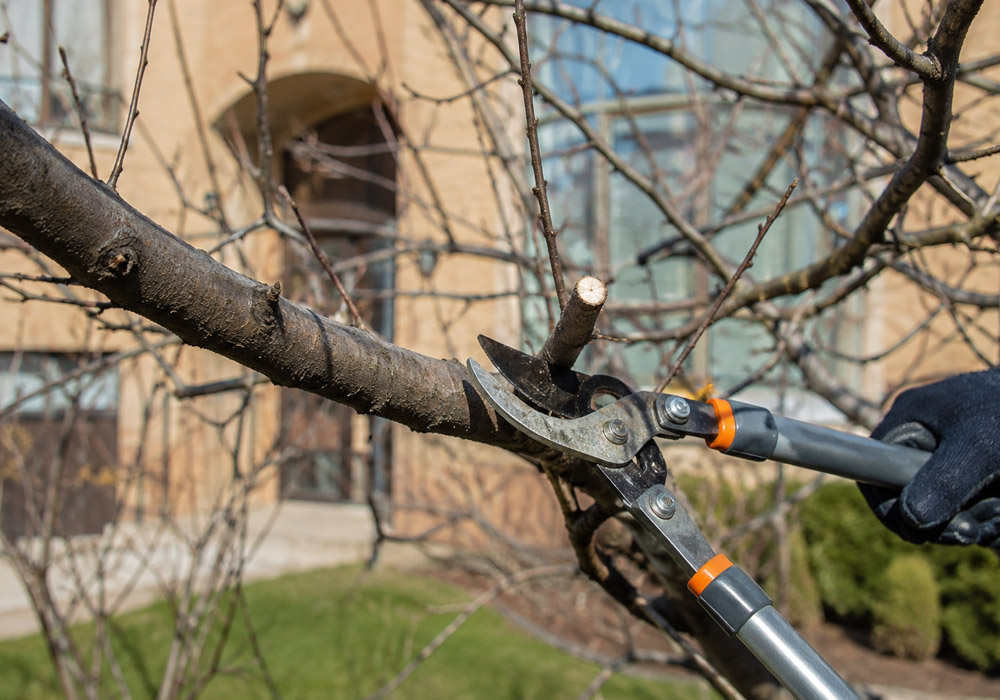
A flush cut removes the branch collar, the slightly raised tissue where the branch meets the trunk or a larger limb. It may look neat at first, but it creates a larger wound and damages protective tissue that helps the tree compartmentalize injury. The final cut should be just outside the collar, not flat against the trunk. The concern is supported by research on proper tree pruning techniques. Studies have shown that flush cuts create larger wounds and damage the tree’s natural protective mechanisms. This does not mean every flush cut causes identical damage, but it is compelling evidence for preserving the collar and avoiding unnecessary trunk injury.
Long Stub Cuts
The opposite mistake is leaving a long stub. A stub cannot effectively seal over, so it may die back and provide an entry point for decay. A proper removal cut eliminates excess branch tissue while preserving the collar. In a city where spring moisture and summer storms are routine, reducing potential points of decay is especially important.
Topping and Severe Heading Cuts
Topping is the harsh removal of major upper limbs, regardless of natural branch structure. It can leave large wounds and stimulate clusters of fast-growing shoots with weak attachments. The tree may become more difficult and more expensive to manage in the future. Selective crown reduction or clearance pruning is usually a better way to reduce risk while maintaining a more stable, natural form.
Removing Too Much Live Canopy
Leaves produce the energy a tree needs to grow, defend itself, and recover from stress. Removing too much live crown at once can weaken a mature maple, oak, linden, or other established shade tree. Good pruning prioritizes dead, damaged, rubbing, poorly attached, or hazardous limbs rather than creating a sparse canopy for appearance alone.
Cutting Heavy Limbs in One Pass
Large limbs can tear bark down the trunk if cut straight through from the top. The safer three-cut method begins with a small undercut several inches from the trunk, followed by a second cut farther out to remove the weight. The remaining stub is then removed with a final collar-preserving cut. Limbs over roofs, fences, sidewalks, vehicles, or power lines should be left to trained crews with the proper equipment.
How a Pruning Plan Should Be Built
Thoughtful pruning begins with a diagnosis, not a saw. First, identify the tree and the purpose of the work. Is the concern deadwood, roof clearance, a codominant leader, storm damage, poor branch attachment, canopy balance, or branches interfering with structures? Next, inspect what sits below and around the tree, including homes, garages, sidewalks, driveways, neighboring properties, utility lines, fences, and landscaped areas that could be affected during the work. The best plan selects the least damaging cut that achieves the intended goal while preserving as much healthy canopy as practical. That may mean removing deadwood, reducing a limb back to a suitable lateral branch, correcting a young tree’s structure, or leaving a sound branch in place and monitoring it instead. In some cases, a phased approach across multiple visits is more beneficial than making extensive cuts at once. Pruning and trimming are often used interchangeably, but pruning generally focuses on health, safety, and structure, while trimming may focus more on appearance, shape, or clearance. Understanding that difference helps homeowners discuss recommendations more effectively and choose the most appropriate treatment for each tree.
When to Request Professional Help
- A large limb is cracked, hanging, split, or resting on another branch.
- Branches contact a roof, chimney, street, walkway, or power line.
- The tree has two competing leaders with included bark or a narrow union.
- Deadwood is visible high in the canopy.
- You are considering topping a tree or removing several large live limbs.
- You are unsure whether an oak can be safely pruned during the current season.
Crawford Tree & Landscape Services, Inc. can help Milwaukee property owners evaluate pruning needs involving safety, clearance, canopy health, structural concerns, and storm-damaged branches.
Location: Crawford Tree & Landscape Services, Inc. | 8760 W Calumet Rd, Milwaukee, WI 53224 | (414) 710-0093
Final Thoughts
Pruning is not simply about making a tree smaller. The right timing and cut can support a tree’s structure for years, while poor cuts can lead to decay, weak regrowth, and avoidable hazards. For Milwaukee homeowners, the most reliable approach is to plan major work during dormancy when possible, address urgent hazards promptly, and avoid shortcuts that sacrifice the tree’s health for a temporary visual result. Regular inspections also help identify dead, damaged, or crossing branches before they become safety concerns. When pruning is based on the tree’s species, age, condition, and growing environment, it can improve structural stability, encourage healthy growth, and reduce the likelihood of storm-related damage. Careful, well-planned pruning protects both the tree and the surrounding property while helping preserve the long-term beauty and value of Milwaukee’s urban landscape.