Bringing home a rescue dog is exciting, but the first few days can also bring uncertainty. Some dogs arrive with detailed veterinary records, while others have an incomplete medical history or come from circumstances where regular care was limited.
A dog that appears healthy may still have dental disease, parasites, an old injury or vaccinations that need to be completed. Stress can also temporarily affect appetite, digestion, energy and behaviour, making it difficult to distinguish normal adjustment from a health concern.
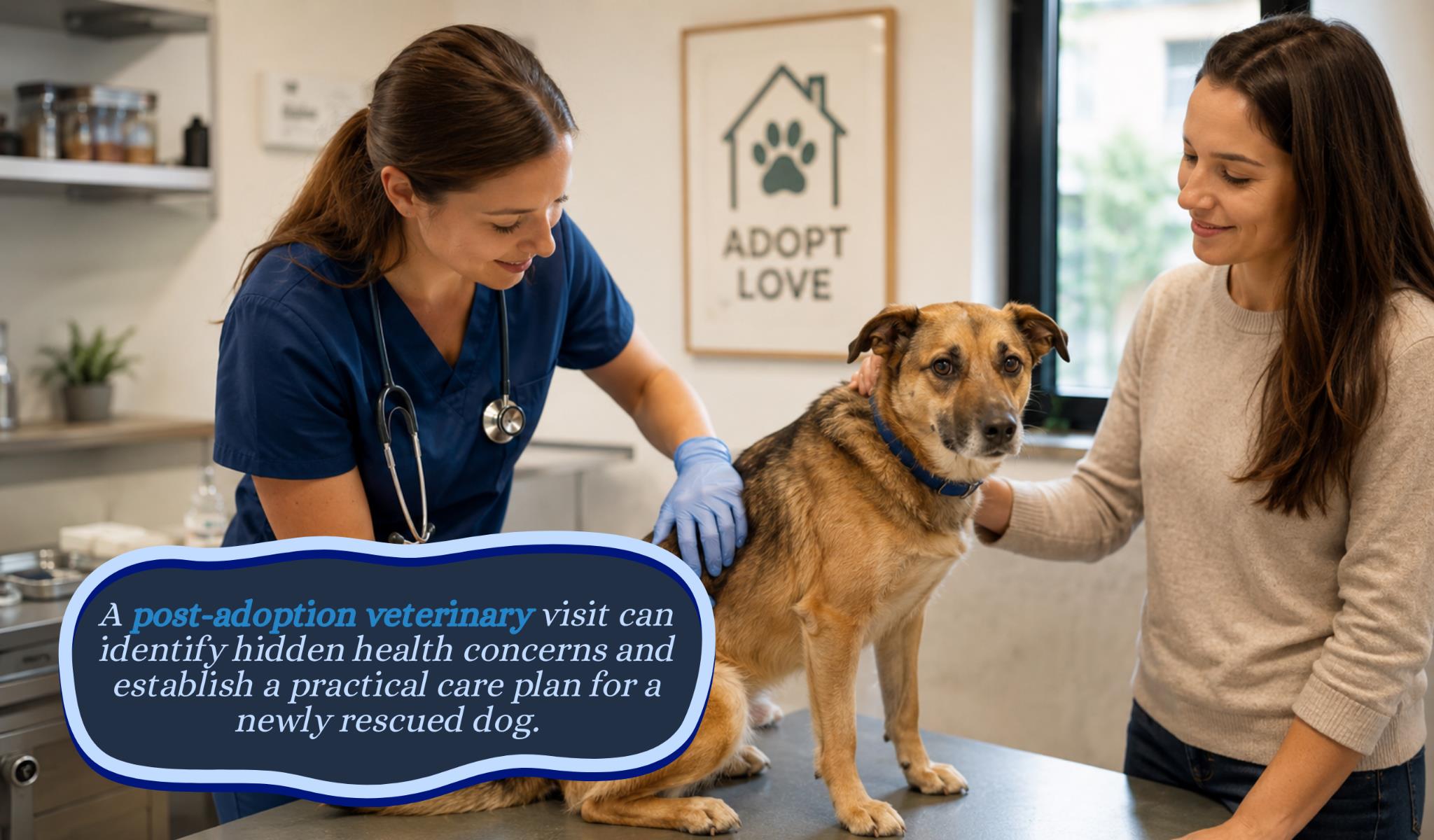
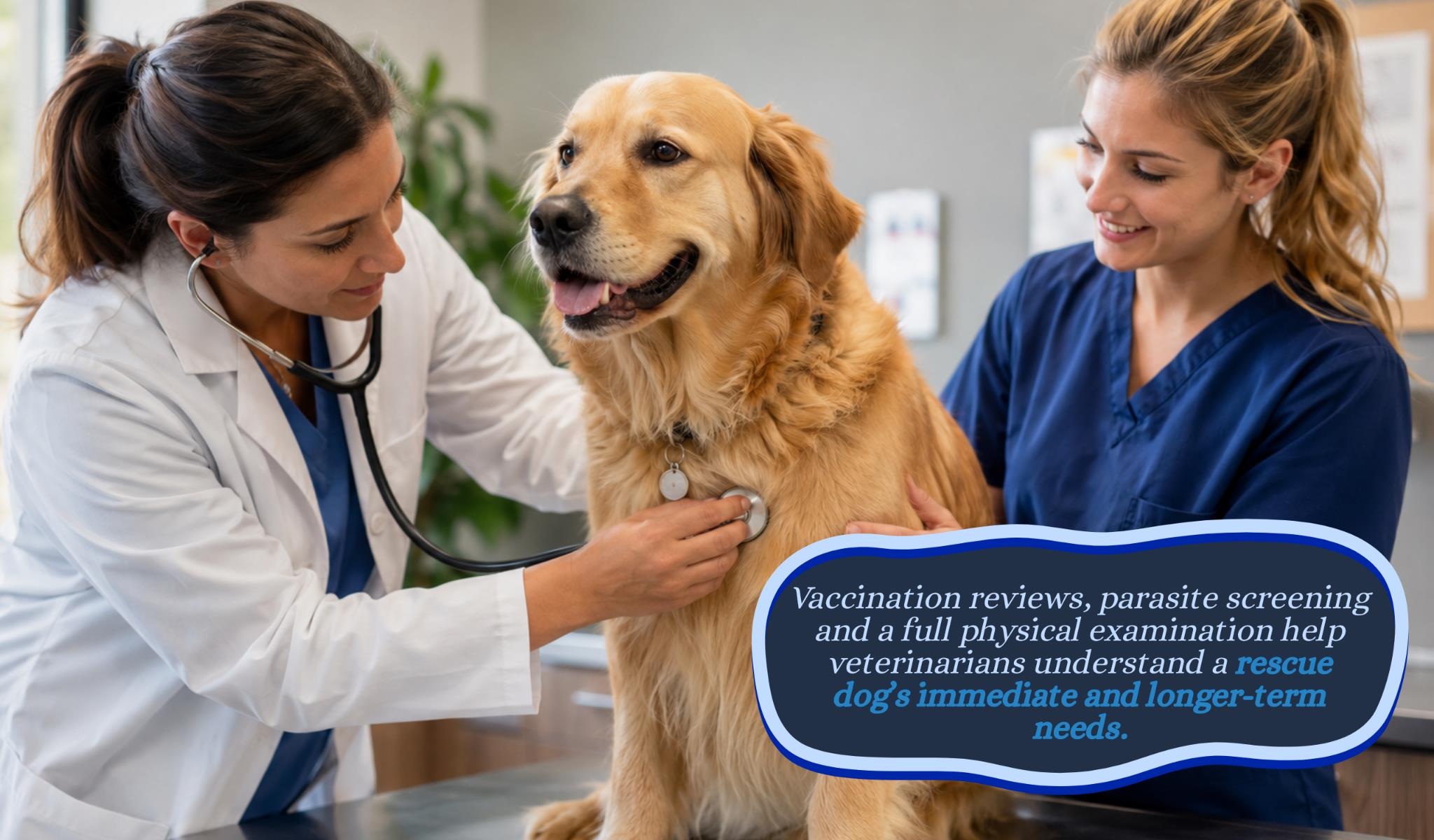
A post-adoption veterinary examination creates a useful starting point. It allows the veterinarian to assess the dog’s current health, review available records and develop a care plan based on age, lifestyle and individual risks.
For families adopting in central Denver, convenient access can also make follow-up care easier. The Sploot Denver downtown animal hospital near Commons Park combines primary and urgent veterinary care, offers same-day appointments and accepts urgent drop-offs during its regular 8 a.m. to 8 p.m. hours. The clinic is open 365 days a year and is Fear Free certified.
Not every newly adopted dog will need every test below. A veterinarian can decide what is appropriate after reviewing the dog’s records, symptoms and possible previous exposures.
1. A complete nose-to-tail examination
The first check is usually a comprehensive physical examination.
The veterinarian may evaluate the dog’s eyes, ears, mouth, skin, coat, joints, abdomen, heart and lungs. They may also check for lumps, wounds, pain, hair loss or signs of an old injury.
This examination establishes a baseline. Information such as weight, heart rate and body condition can be useful during future appointments, even when no immediate problem is found.
Bring any records supplied by the shelter or rescue organisation, including vaccination dates, microchip details, deworming history and previous test results. Photos or videos of unusual symptoms may also help if the behaviour does not occur during the appointment.
Understanding what it means to adopt a rescue dog can help families prepare for possible medical, behavioural and adjustment needs.
Mention coughing, sneezing, vomiting, diarrhoea, excessive thirst, frequent urination, stiffness or unexplained tiredness, even when the symptom seems minor.
2. Weight, nutrition and body condition
A dog’s ideal weight cannot be judged by appearance alone. Coat length, body shape and muscle loss can make a dog look healthier or heavier than it is.
During a body-condition assessment, the veterinarian considers fat coverage over the ribs, waist and abdomen. Muscle condition may be evaluated separately, especially in older dogs or animals that were underfed before rescue.
The findings can guide portions and diet choices. A thin dog should not automatically receive unlimited food. Increasing calories too quickly may worsen digestive problems, and the safest feeding plan depends on the dog’s condition.
Tell the veterinarian what the dog ate at the shelter and what has been offered since adoption. When a diet change is needed, a gradual transition may reduce stomach upset.
Weight should then be monitored. Unexpected gain or loss may reflect feeding issues, but it can also be an early sign of illness.
3. Vaccination-record review
Vaccination needs depend on age, previous records, health, location and lifestyle.
The American Animal Hospital Association’s canine vaccination guidelines separate vaccines into core and noncore categories and recommend tailoring protocols to the individual dog.
Vaccinations are only one part of a broader preventive healthcare plan for dogs, which may also include parasite control, dental care and routine screening.
Core canine vaccines protect against serious diseases such as rabies, distemper, parvovirus and adenovirus. Additional vaccines may be considered for dogs that spend time in boarding facilities, socialise with many dogs, travel frequently or encounter wildlife.
Rescue paperwork should be reviewed before another vaccine is given. A veterinarian can identify completed doses, determine whether boosters are due and address gaps or uncertain records.
Until vaccination status has been discussed, it may be sensible to avoid busy dog parks, shared water bowls and other high-contact environments where exposure to infectious disease may be greater.
4. Intestinal-parasite screening
Roundworms, hookworms, whipworms and other intestinal parasites do not always produce obvious symptoms. An infected dog may appear well or may experience diarrhoea, vomiting, weight loss, poor growth, a dull coat or abdominal discomfort.
A veterinarian may request a fresh stool sample for fecal testing. Different tests detect different stages or components of infection, so the recommended method may vary according to the dog’s age and history.
Testing is especially relevant when a rescue dog has an uncertain deworming history, came from group housing or has ongoing digestive symptoms.
Owners should collect waste promptly and wash their hands after handling feces. Some canine intestinal parasites can also affect people.
5. Heartworm and tick-borne disease testing
A rescue dog’s previous location can influence parasite risk.
Heartworm disease is spread by mosquitoes, while ticks can transmit infections affecting the blood, joints, kidneys and other organs. Dogs transported between states may have been exposed to risks that differ from those in their new home.
A veterinarian may recommend heartworm testing and, depending on travel history or symptoms, screening for tick-borne diseases. Fever, weakness, pale gums, unexplained bruising or shifting-leg lameness should be reported promptly.
Preventive medication should be selected with veterinary guidance. Products left over from another pet may be the wrong dose, unsuitable for the dog or no longer appropriate.
6. Skin, coat, ears and paws
Itching in a newly adopted dog should not automatically be blamed on stress.
Fleas, mites, allergies, skin infections and contact irritation can cause similar symptoms. Excessive licking, odour, redness, scabs, bald patches or repeated head shaking may help the veterinarian identify the cause.
The ears may be checked for inflammation, discharge, debris, infection or foreign material. Dogs with floppy ears, frequent swimming habits or previous ear disease may need a specific cleaning routine.
Paws also deserve attention. Cracked pads, long nails, irritation between the toes and embedded plant material can make walking uncomfortable. In Colorado, dogs may encounter snow, road salt, rough trails and dry surfaces, so paw care should reflect their activities.
Avoid using human creams, essential oils or another pet’s medication without veterinary direction. Similar-looking skin and ear problems may require very different treatment.
7. Dental and oral-health assessment
A rescue dog may continue eating despite significant dental discomfort.
The veterinarian can look for tartar, inflamed gums, fractured teeth, retained baby teeth, oral masses and infection. Persistent bad breath may be associated with periodontal disease rather than simply being a cosmetic issue.
An awake examination can identify many concerns, but a complete dental assessment and treatment may require anaesthesia so each tooth can be examined and cleaned safely.
Owners can also ask about home dental care. Toothbrushing is often helpful, but some dogs need time to accept handling around the mouth. A slow, reward-based introduction is more realistic than forcing a full brushing session immediately after adoption.
Human toothpaste should not be used because it is not designed to be swallowed by dogs.
8. Joint, mobility and old-injury checks
Rescue dogs may have arthritis, healed fractures or soft-tissue injuries that are not obvious during a short meeting.
At home, observe how the dog rises after resting, uses stairs, enters a vehicle and moves after exercise. Limping, stiffness, reluctance to sit, shorter walks or repeated licking of one joint should be discussed with the veterinarian.
The veterinarian may assess gait, joint movement, muscle symmetry and areas of discomfort. Imaging or additional testing may be recommended if an abnormality is found.
Exercise should match the dog’s current conditioning. A newly adopted dog may be enthusiastic about a long hike while lacking the muscle strength or paw conditioning needed to complete it safely.
Begin with manageable walks and increase activity gradually unless the veterinary team recommends otherwise.
9. Behaviour, stress and adjustment
Behaviour is also part of a rescue dog’s health assessment.
Shelter behaviour may not predict how the dog will act at home. Some dogs initially appear unusually quiet because they are overwhelmed. Others may begin showing separation distress, guarding behaviour, noise sensitivity or fear after they have had time to settle.
Adopters may also find it helpful to understand the 3-3-3 adjustment rule for rescue dogs, which describes how behaviour can change as a dog begins to feel safer in its new environment.
Tell the veterinarian about hiding, trembling, destructive behaviour, sleep disruption, house-soiling, growling or difficulty being left alone. Pain and illness can contribute to behavioural changes, so a medical cause should be considered before assuming the issue is purely related to training.
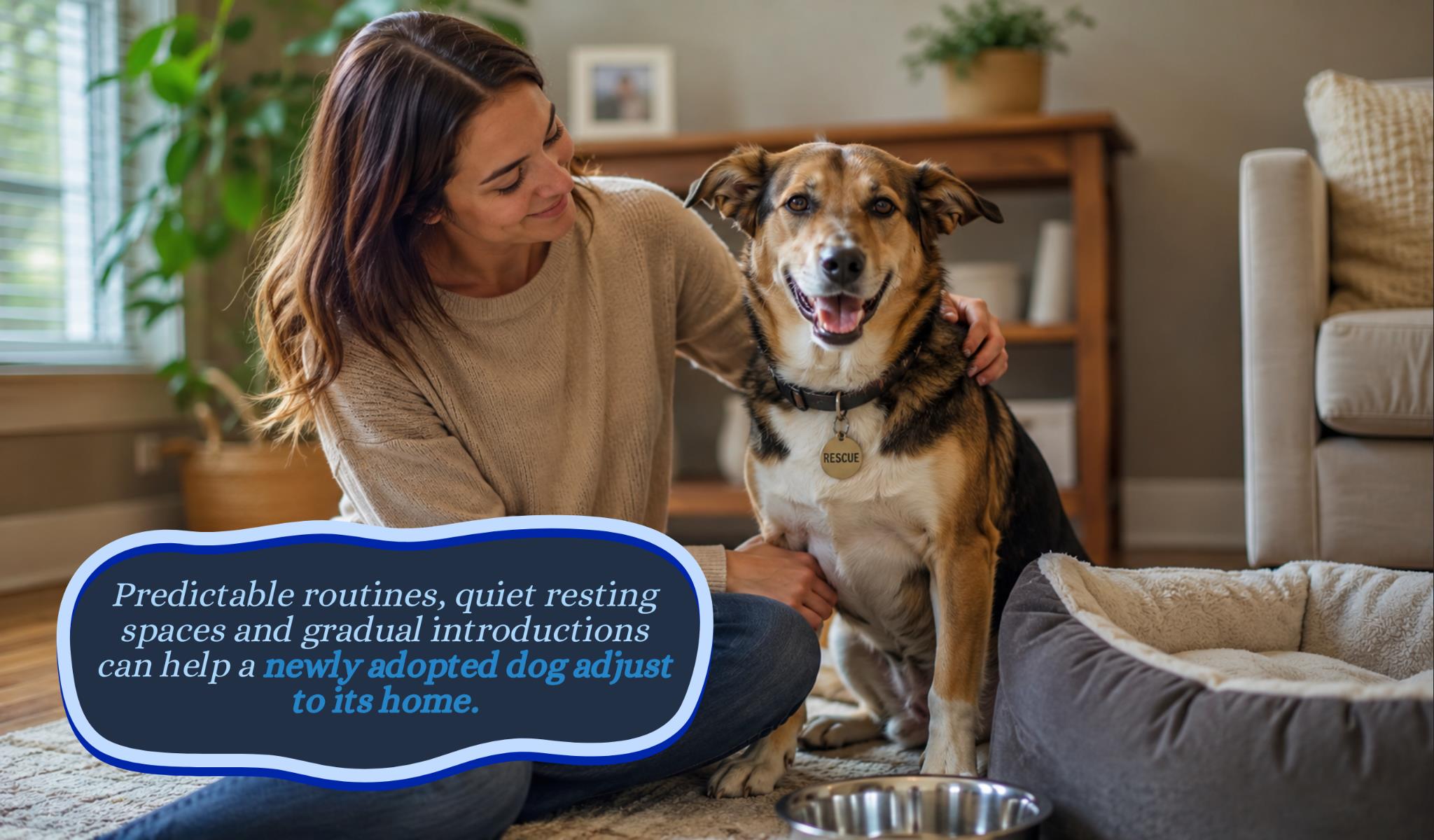
The veterinary team can also advise on gradual introductions to children, visitors and other animals. Punishment may intensify fear, particularly when the dog’s background is unknown. Predictable routines, safe resting spaces and reward-based handling usually provide a more constructive foundation.
Creating a practical care plan
A newly adopted rescue dog does not need every test or treatment during one visit. The first appointment should prioritise immediate concerns, confirm what has already been completed and establish the next steps.
The plan may include vaccine boosters, parasite prevention, dental treatment, dietary changes, weight monitoring or a follow-up examination after the dog has settled.
It should also identify warning signs that need same-day or emergency attention. Repeated vomiting, breathing difficulty, collapse, severe bleeding, seizures, a swollen abdomen or an inability to urinate should not wait for a routine appointment.
Adoption gives a dog a new home, but veterinary follow-through helps turn that beginning into a healthier one. A thoughtful first examination provides more than a checklist. It gives the family a clearer understanding of the dog in front of them and a realistic plan for supporting that dog in the months and years ahead.