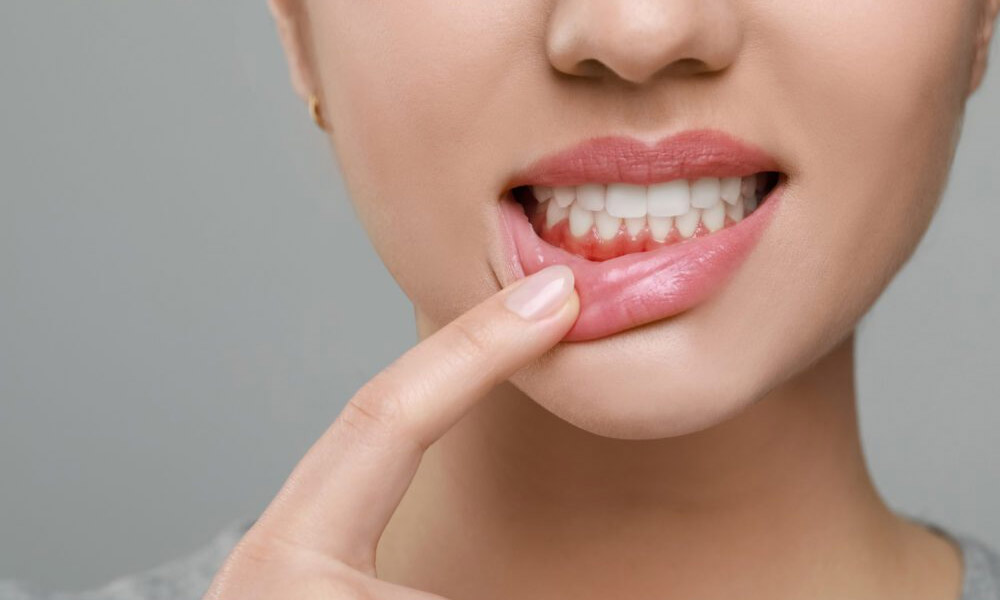
You know the feeling. Your palms get sweaty in the waiting room, your heart races when you smell that antiseptic, and you’ve rescheduled your cleaning three times already. Dental anxiety is incredibly common, affecting roughly 1 in 5 adults according to research. But here’s the thing: avoiding the dentist doesn’t make the problems go away, it usually makes them worse and more expensive later. Instead of skipping appointments, what if you had a toolkit of coping techniques that actually work? We looked at the science and talked to behavioral health experts to bring you the eight most effective strategies for getting through your next appointment without white-knuckling the armrest.
1. Controlled Breathing Techniques
Your breath is the one thing you control completely in that chair. When anxiety spikes, your body shifts into fight-or-flight mode, and your breathing gets shallow and fast. That makes the panic worse, which makes your breathing faster, and you’re in a loop. The fix is to break that loop with a simple pattern.
Try the 4-7-8 method: inhale through your nose for 4 seconds, hold for 7 seconds, and exhale slowly through your mouth for 8 seconds. Do this five times before the dentist picks up any instruments. The long exhale tells your nervous system that you’re safe. Some people like to pair this with counting backward from 100 by threes, which gives your brain a math problem to solve instead of letting it obsess over the drill sound. You can practice this at home too, so it feels automatic when you’re in the chair.
2. Progressive Muscle Relaxation
Anxiety makes your body tense up, especially your shoulders, jaw, and hands. Progressive muscle relaxation is the opposite: you deliberately tense each muscle group for 5 seconds, then release it and feel the tension melt away. Start with your toes and work your way up to your face.
Here’s a version that works well in a dental chair: clench your fists hard for 5 seconds, then let them go completely limp. Do the same with your shoulders, pulling them up toward your ears, then dropping them. Tighten your jaw muscles (but not too hard if your mouth is open), then relax them. You can run through this cycle several times during the appointment. It gives you something physical to focus on, and the release phase triggers a relaxation response that counters the anxiety chemicals in your body. You can learn more about the science behind this technique through the American Psychological Association’s stress resources.
3. Signal-Based Communication with Your Dentist
Feeling out of control is a huge driver of dental anxiety. You don’t know when they’re going to stop, and you can’t speak with instruments in your mouth. The solution is a pre-agreed signal system. Before your appointment starts, tell your dental team that you’ll raise your left hand if you need a break, and they’ll stop immediately. That’s it. One simple signal that gives you back control.
Most dentists are completely on board with this. They’d rather pause for 10 seconds than have a patient who’s so stressed they can’t continue. You can also agree on a “slow down” tap on the armrest versus a “stop everything” urgent wave. Knowing you have an escape hatch makes the whole experience feel less like being trapped. And if you’re looking for a dental team that’s especially understanding about anxiety, you might want to ask around for a dentist downtown vancouver who emphasizes gentle, patient-centered care. Just being upfront about your nerves before the appointment can cut your anxiety in half because you’re no longer hiding it.
4. Guided Imagery and Audio Distraction
Your brain can only focus on so much at once. If you’re busy picturing a quiet beach with waves rolling in, you have less mental bandwidth left to worry about what’s happening in your mouth. Guided imagery is a proven technique for anxiety reduction, and it’s remarkably easy to use at the dentist.
Load up a guided meditation or a visualization audio track on your phone before you go. Bring earbuds and play it during the appointment. You can listen to ocean sounds, forest recordings, or a narrator who walks you through a calm scene step by step. The key is to pick something you’ve practiced at home so it’s familiar and you can slip into it quickly. Many dental offices now offer headphones or even virtual reality headsets for anxious patients, so don’t hesitate to ask. One study found that listening to music during dental procedures reduced anxiety scores significantly compared to no music at all, so even just your favorite playlist can help.
5. The “One Small Step” Exposure Approach
Here’s a counterintuitive idea: don’t schedule a full cleaning as your first appointment. If your anxiety is severe, break the visit down into smaller steps. Maybe you just sit in the waiting room once to see what it feels like. The next week, you sit in the dental chair with your jacket on. Then you let them do a quick visual exam with no instruments. Each small success builds your confidence and teaches your brain that nothing bad happens.
This technique comes from cognitive behavioral therapy, and it’s highly effective. Your brain’s fear response actually decreases with repeated, safe exposure. It’s the same reason you get less nervous about public speaking the more you do it. So set up a “meet and greet” appointment where you don’t plan on having any work done. Just talk to the team, look around, and sit in the chair for a minute. You might be surprised at how much easier the real appointment feels afterward. The National Institute of Mental Health’s anxiety resources explain why gradual exposure works. It’s not about being brave all at once. It’s about being a little bit braver each time you go.
6. Nitrous Oxide and Sedation Options
Let’s be real about this: sometimes breathing exercises aren’t enough. That’s not a failure on your part. For moderate to severe dental anxiety, sedation options are a legitimate, medical-grade solution. Nitrous oxide, or laughing gas, is the lightest option. You inhale it through a small mask, and within minutes you feel relaxed and floaty. You’re still awake and can respond to the dentist, but you care a lot less about what’s happening. The effects wear off within minutes of stopping the gas, so you can drive yourself home.
For deeper anxiety, there’s oral sedation (a pill you take an hour before the appointment) or IV sedation, where you’re technically awake but have little to no memory of the procedure afterward. These require more planning, and you’ll need someone to drive you home, but for many people, the trade-off is worth it. If you have a big procedure coming up and your anxiety is through the roof, having this conversation with your dentist could be the difference between getting treatment and putting it off for another year. Just remember that sedation manages the experience, it doesn’t address the root fear, so pairing it with some of the other techniques on this list can give you the best outcome over time. You can read more about sedation dentistry options at the American Dental Association’s patient resources.
7. Desensitization Through Low-Stakes Dental Visits
Your brain makes associations. If every time you go to the dentist, it’s for a painful filling or an emergency root canal, your brain learns that “dentist” equals “pain.” One of the best ways to rewire that is to schedule appointments that aren’t procedures at all. Go in for a polishing that’s purely cosmetic. Or a fluoride treatment that takes five minutes. Or even just a walk-in to ask a question about whitening products.
Each of these low-stakes visits gives your brain a new data point: the dentist’s office can be a place where nothing bad happens. Over time, the association shifts from fear to neutral, and maybe even positive. It’s like exposure therapy in bite-sized pieces. And the more often you go, the more routine and boring it becomes, which is exactly what you want. Boring is good. Boring means no drama, no surprises, no pain. So look for a dental practice that offers these quick, no-pressure visits and book one just to practice being in the environment without any real treatment on the schedule.
8. Finding a Dentist Who Specializes in Anxious Patients
Some dentists are just better at handling anxious patients than others. They talk you through every step, they move slowly, they check in constantly, and their whole demeanor is calm and unhurried. If your current dentist makes you feel rushed or dismisses your concerns, you have every right to find a new one. This isn’t about being picky. It’s about finding a healthcare provider who fits your needs.
When you search, look for words like “anxiety management,” “gentle dentistry,” or “sedation options” on a practice’s website. Call ahead and ask directly: “I have really bad dental anxiety. How would your team handle me?” The right practice will have a clear answer and a welcoming tone. The wrong one will hesitate or seem confused by the question. You can also ask friends and family for recommendations, especially anyone who has a similar level of dental fear. Finding the right dentist is the single biggest factor in overcoming dental anxiety because it changes the entire experience from adversarial to collaborative. Once you have that relationship, everything else on this list becomes ten times easier to use.
What to Do When You’re Sitting in the Waiting Room Right Now
Let’s say your appointment is in 20 minutes and you’re already anxious as you read this. Here’s a quick emergency kit: put in your earbuds and play a song that makes you feel powerful or calm. Do three rounds of 4-7-8 breathing. Tense and release your shoulders and hands. Remind yourself that the door is always open and you can leave anytime you need to, that’s your right. And remember that millions of adults sit in that same chair every single day, and most of them survive just fine.
Dental anxiety is real, and it’s not something you can just “get over” by telling yourself to relax. But it is something you can manage with the right tools. Start with the techniques that feel most comfortable to you, practice them at home, and bring them to your next appointment. Every visit is a chance to build a better experience, and every successful visit makes the next one easier. Your oral health matters, and you deserve to get the care you need without spending the whole time in panic mode.