Most sellers assume cash buyers only want move-in-ready houses with fresh paint and a tidy yard. That assumption leaves a lot of money on the table. Cash buyers in the Midwest operate on a completely different logic than retail buyers. They price for potential and current condition, not for Pinterest-worthy staging. That shift changes which properties qualify. Not two or three types. Seven distinct categories show up again and again in the Quad Cities market and the surrounding Iowa and Illinois communities. Here’s exactly what those are and why each one attracts cash buyer attention.
The CASH-FIT Framework: How Buyers Actually Screen Properties
Before breaking down each type, it helps to understand the lens cash buyers use. Call it the CASH-FIT screen: Condition, As-is Value, Seller Motivation, Holding Cost, Flexibility on Timeline, Inherited or Distressed Status. Any property that checks at least three of those six boxes is worth a conversation. A house that scores on all six gets a same-day offer.
That framework explains something that surprises first-time sellers: a structurally compromised duplex in Davenport can be more attractive to a cash buyer than a spotless suburban home whose owner has no urgency to sell. Condition matters, but motivation and flexibility often matter more, notes Bearcats Housing management.
1. Single-Family Homes in Any Condition
This is the bread and butter. Single-family detached houses make up the largest share of American housing stock, and they’re the most common property type cash buyers see. The condition range is wide. A house that’s outdated from the 1970s with original appliances and carpet that’s seen better days qualifies just as readily as a home with fire damage or a roof that’s five years past its useful life.
The key detail sellers miss: cash buyers aren’t buying your lifestyle. They’re buying square footage, lot size, location, and the math on what it costs to get the home to resale condition. A dated kitchen doesn’t kill a deal. It just adjusts the number.
2. Inherited Properties and Probate Situations
Inherited homes represent one of the most emotionally loaded selling scenarios there is. You’ve got grief, family disagreements, an unfamiliar property you may have never even lived in, and a legal process that moves at its own pace. Cash buyers work in this space regularly because heirs often need a clean exit more than they need top dollar.
The intergenerational wealth transfer happening right now is enormous. Over the next 25 years, an estimated $105 trillion will pass from older generations, according to Cerulli Associates, with about $2.5 trillion in gifts and inheritances expected to change hands in 2024 alone. A significant portion of that transfer includes real property, and not every heir wants to become a landlord or manage a renovation project two states away. For those sellers, We Buy Houses for cash in Iowa and Illinois is often the most practical path forward.
3. Vacant and Distressed Properties
A home that’s been sitting empty for six months is losing value every week. Pipes freeze. Vandalism happens. Insurance gets expensive or lapses entirely. Owners of vacant homes often reach a point where selling fast costs less than continuing to hold.
According to the Census Bureau, there were approximately 15.1 million vacant homes nationwide in 2024, representing about 10.3% of the country’s housing inventory. USAFacts, citing that same Census Bureau data from 2024, puts that figure in sharp relief: millions of those properties sit in the hands of owners who aren’t using them and aren’t actively marketing them through traditional channels. Cash buyers actively seek this inventory precisely because it’s off-market and often priced to move.
4. Multi-Family Properties
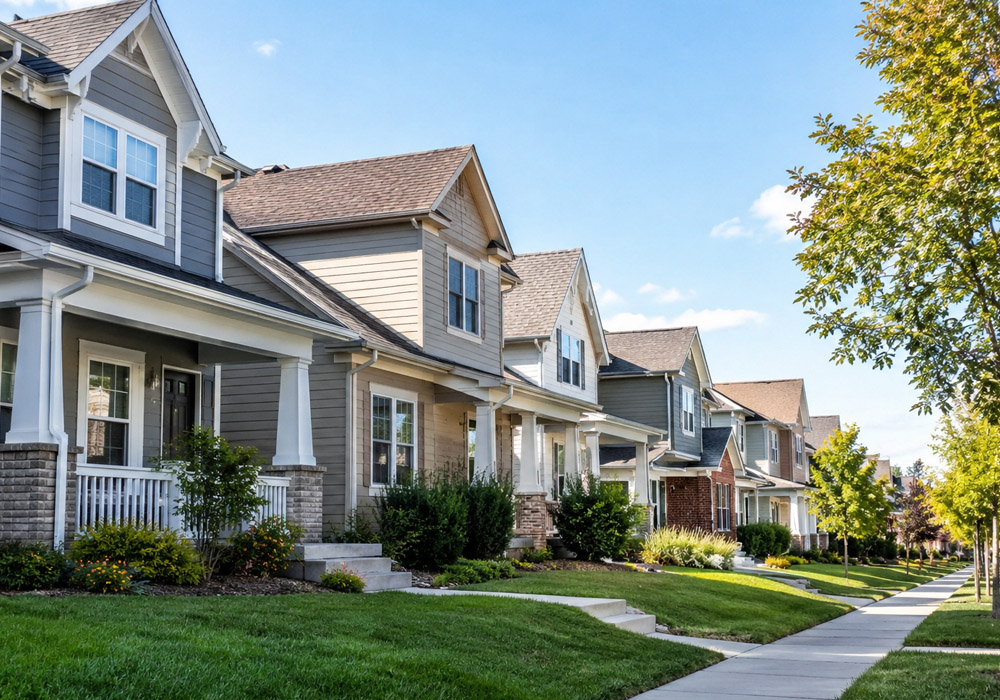
Duplexes, triplexes, and small apartment buildings are firmly in play for experienced cash buyers. The appeal is straightforward: you’re buying income potential, not just shelter. A duplex where one unit is rented and one is vacant still generates revenue during any renovation period.
The national multi-family market tells you how active this asset class is. Multifamily completions reached 608,000 units in 2024, the highest level since 1986, according to a National Association of Home Builders analysis of the Census Bureau’s Survey of Construction. Sellers of aging small multi-family buildings in markets like Rock Island or Moline often find that retail buyers aren’t interested in the operational complexity, but a cash buyer with a portfolio approach absolutely is.
5. Townhomes and Attached Single-Family Units
Townhomes occupy an interesting middle ground. They share walls but function like single-family homes. HOA rules can complicate a traditional sale, especially if dues are in arrears or the association has pending special assessments. Cash buyers typically handle those complications directly, either negotiating around them or factoring the costs into the offer.
In Midwest markets, townhomes in established neighborhoods often carry lower price points than detached homes, which makes the math on a cash offer more straightforward. If you’ve got an attached unit that needs updates or has a messy HOA situation, the retail market is going to be slow. Cash buyers move faster precisely because they aren’t waiting on bank appraisals or buyer financing contingencies.
6. Apartments and Small Rental Buildings
Small apartment buildings with four to twelve units are a category many sellers underestimate. If you inherited a small rental portfolio, if you’re retiring out of the landlord business, or if deferred maintenance has stacked up faster than rent income can cover it, you may be looking at a property that traditional buyers won’t touch without extensive due diligence timelines.
Cash buyers in the Midwest who focus on rental-scale acquisitions can close without the drawn-out financing process a conventional buyer requires. The seller’s primary advantage here is speed and certainty. No deal falling through at the 11th hour because an appraiser came in low.
7. Vacant Land and Buildable Lots
Raw land and vacant lots are the most overlooked category on this list. Most people assume you need a structure to attract a cash buyer. You don’t. In the Quad Cities area and surrounding communities in Iowa and Illinois, infill lots and agricultural parcels both have active buyer interest. The calculus for the buyer is future development potential, zoning flexibility, and whether utilities are accessible.
Sellers of vacant land who go through traditional real estate channels often wait months for a qualified buyer. Financing land purchases is harder than financing homes, so the buyer pool shrinks considerably. A cash buyer removes that friction entirely.
A Quick Property-Type Comparison
| Property Type | Common Seller Situation | Why Cash Works Here
|
| Single-Family (any condition) | Relocation, divorce, financial pressure | No repair contingencies, fast close |
| Inherited / Probate | Estate settlement, out-of-state heir | Clean exit, no staging or showings |
| Vacant / Distressed | Holding costs mounting, no occupants | Eliminates ongoing carrying costs fast |
| Multi-Family | Tired landlord, deferred maintenance | Buyer handles income-property complexity |
| Townhome | HOA issues, dated interior | Bypasses financing and appraisal delays |
| Apartments (4-12 units) | Portfolio exit, retirement | No conventional loan approval required |
| Vacant Land / Lots | Inherited lot, unused parcel | No structure needed, land loan issues avoided |
What Actually Makes a Property a Good Fit
Here’s the honest answer: motivation beats condition almost every time. A seller who needs to close in three weeks and owns a structurally sound but cosmetically rough house in Bettendorf is a far stronger candidate for a cash offer than a seller who wants full retail value and has nine months of flexibility. Cash buyers price for certainty and speed, and they pass some of that value back to sellers through a process that’s genuinely frictionless on the paperwork side.
That’s not to say condition is irrelevant. A house with major foundation issues will see a lower offer than one with cosmetic problems only. But the category of property matters less than most sellers think. Whether it’s a duplex in Silvis, an inherited bungalow in Clinton, or a vacant lot outside Muscatine, the underlying question is the same: can the numbers work for both sides?
If your property falls into any of the seven categories above, the only way to find out what it’s worth in a cash transaction is to ask. Getting an offer costs nothing and tells you exactly where you stand. That’s a lot more useful than guessing.