Thanksgiving is all about gratitude, family, and a table full of favorite dishes. It’s also a day that asks a lot of your body, from hours in the kitchen to long drives and a meal that leaves everyone reaching for the top button of their jeans.
Knowing where the strain comes from makes it easier to enjoy the holiday and still feel good on Friday. Here are six ways Thanksgiving can take a toll on your body and how to bounce back.
1. Long Hours on Your Feet in the Kitchen
The cook often logs more time standing than anyone else in the house. Hours of chopping, basting, and stirring on hard kitchen floors can leave your feet, knees, and lower back aching before the first guest arrives.
Supportive gear from Copper Fit can make those hours more comfortable. These compression socks, knee sleeves, and arch support inserts are designed to provide extra support for your body while you’re on your feet all day.
Wear cushioned shoes rather than slippers or bare feet, and stand on a padded mat by the stove or sink if you have one. Taking a short seated break while the turkey roasts helps, too.
2. Hours of Sitting in the Car or Airport
Thanksgiving is one of the busiest travel times of the year. Annually, over 75 million people travel for Thanksgiving, with the vast majority going by car.
Long stretches of sitting can leave your back stiff and your legs feeling heavy. Stop every couple of hours to stretch and walk around, stay hydrated, and roll your shoulders and ankles while you’re seated.
If you’re flying, get up to walk the aisle when it’s safe to do so, and keep a water bottle handy once you’re through security.
3. A Meal That Overloads Your Digestion
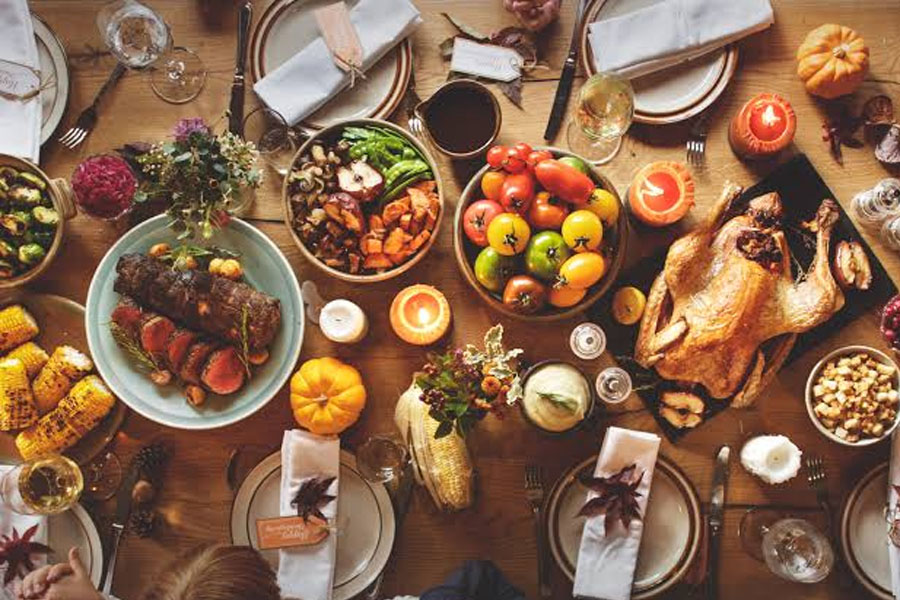
The American Council on Exercise estimates that a traditional Thanksgiving meal contains about 3,000 calories and 229 grams of fat. That’s a lot for your digestive system to handle in one sitting.
Rich, fatty foods slow digestion and can lead to bloating and heartburn, especially if you lie down right after eating. Eat slowly, pause between courses, and take a short walk before dessert.
You don’t have to skip your favorites to feel better afterward. Smaller portions of the dishes you love most, plus plenty of water, can keep you comfortable through the evening.
4. The Post-Feast Energy Crash
Turkey often gets blamed for the post-dinner slump, but the size of the meal is the bigger factor. A heavy, carb-rich plate sends your body into digestion mode, and a glass or two of wine adds to the drowsiness.
Balancing your plate with protein and vegetables, and drinking water alongside any alcohol, can help you stay alert enough to enjoy the evening. A little fresh air after dinner helps, too. Even a lap around the block with family can wake you up before dessert.
5. Sore Muscles From the Turkey Trot or Backyard Football
Many families start the day with a turkey trot 5K or end it with a game of touch football. If you’re not used to running or sprinting, those activities can leave you with sore muscles or a tweaked knee by the end of the day.
Warm up with a few minutes of light movement and stretching before you play. Afterward, keep moving gently, and give your muscles a day or two to recover before your next workout. A warm shower and some light stretching that evening can ease the stiffness that tends to show up the next morning.
6. Late Nights and Disrupted Sleep
Between early-morning prep, late-night dishes, and houseguests sleeping on the couch, sleep often takes a hit over the holiday weekend. A heavy meal and alcohol close to bedtime can also make it harder to rest well.
Try to finish eating a few hours before bed, and stick close to your usual wake-up time. The Black Friday deals will still be there after a good night’s sleep.
If you’re hosting overnight guests, set up their sleeping spaces before the holiday so you’re not making beds at midnight. A little prep earlier in the week can help save your energy for the day itself.
Giving Thanks Without the Aches
Thanksgiving’s toll on your body comes from a familiar mix of standing, sitting, eating, and staying up late. A little planning, some supportive gear, and a few smart habits can keep aches and fatigue from overshadowing the celebration.
Take care of your body throughout the day, and you’ll be ready to enjoy the leftovers and maybe another slice of pie the next morning. Then you can head into the rest of the holiday season feeling rested, comfortable, and ready for whatever comes next.