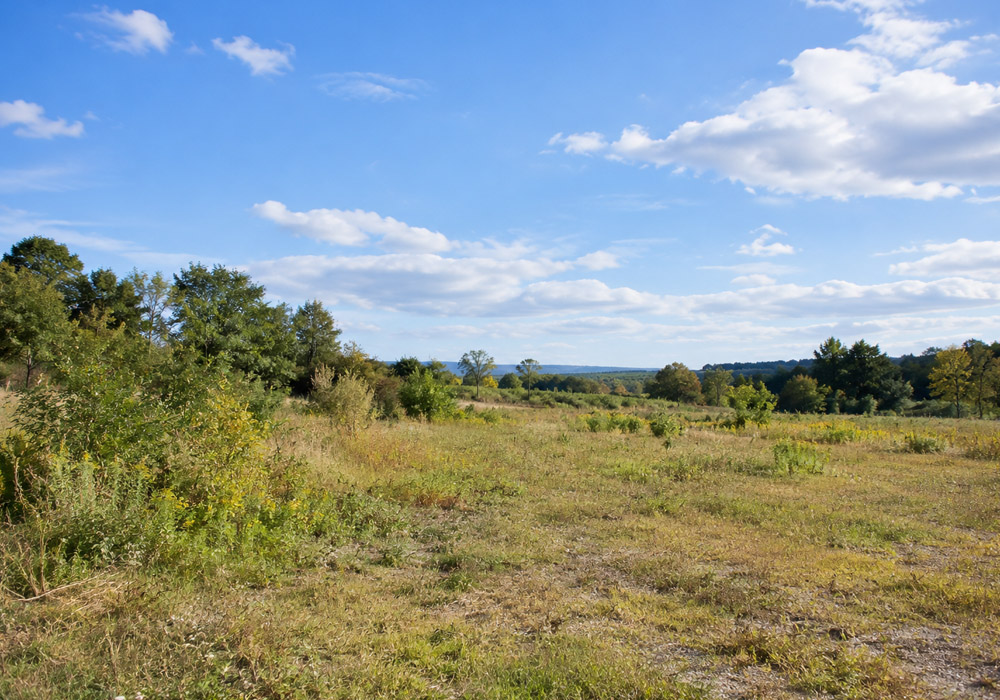
If your empty lot has been sitting unsold, look for practical issues that might be holding it back. Pricing, presentation and unanswered questions about the parcel are useful places to start. The good news is, none of these issues are on the level of prime-time drama. They may be problems you can address – pricing problems, visibility gaps, missing paperwork, or a seller who hasn’t done the math on what waiting actually costs. Are you guilty of any of this? No sweat if you are. Here’s how to get back on track.
You’re pricing it off memory, not the market
Many land owners tend to determine the value of their land based on the price they paid back in 2006, or based on what a neighbor said they believe their acre of land is worth. The issue is that finding close comparables for raw land can be difficult, which is why sellers end up taking their best guess rather than considering actual data. This gap between emotional-based pricing and real comparable sales can leave a parcel priced above what buyers are prepared to pay.
You need to gather the most recent sales of bare acreage in your exact area, not improved lots where utilities have been already installed. Even nearby desert parcels in Arizona may not be useful comparisons if access and terrain differ. Check those details before treating a neighbouring sale as evidence for your asking price. If you can’t find true comparables, a local land broker, or appraiser that specializes in unimproved parcels could provide you with a number that tells you the reality instead of your wish.
Nobody looking for land can actually find yours
Many real estate agents market land just like they market houses: they put it on the MLS and consider it finished. However, people who buy land don’t search like that. Consider whether land-specific listings would help you reach investors or end users. Use clear aerial photographs to explain terrain and road access, with approximate boundary markings identified as such rather than presented as a survey.
If your listing lacks an aerial photo, marked boundaries, and a listing on a land-specific website, potential buyers may struggle to understand what you are offering. Fix those issues before you consider lowering the price. It can also help to look beyond retail buyers. Direct land buyers such as Sell My Land Arizona purchase parcels from owners, and asking what they would offer gives you another reference point to weigh against your listing.
Title problems and outdated surveys kill deals at the finish line
Unanswered questions about ownership, boundaries or access can hold up a sale. Rather than waiting for a buyer to raise them, ask a local title professional which records need reviewing and whether anything needs clarification before you list.
So beat them to the punch. Ask whether a boundary survey or preliminary title report would be useful before listing, and get a quote for the work. Compare that upfront expense with the risk of delays once a buyer is ready to proceed.
You’re marketing to the wrong buyer entirely
A buyer needs to know whether the parcel could suit their intended use. Do not assume an agricultural zoning label answers every question about housing, or that missing water and sewer connections rule out every residential buyer. Get parcel-specific advice before making claims about what can be built or how the land could be serviced.
To be on the safe side, determine the exact zoning specifications for your land and the utilities accessible before you start drafting any advertising content. Then, focus on the type of buyer that suits your land: a farmer, a solar power company, an off-grid home constructor, or an investor waiting for the value to go up. Advertise your undeveloped desert property in the same way you’d promote a lot in the suburbs, and it would keep on being unsold.
You haven’t calculated what waiting is actually costing you
Here’s a part worth putting on paper. Every month your land sits unsold, you’re still paying property taxes, possibly insurance, and covering any other parcel-specific expenses. Add up twelve months of those costs against your asking price and the math often looks a lot worse than it did when you first listed.
A well-priced, well-marketed parcel can still take longer to sell than you hope. Ask prospective buyers what their offers depend on: financing, inspections, appraisals or other checks. A cash offer may remove the need for a buyer’s loan, but do not treat it as an unconditional sale. Read the proposed terms, ask what could delay closing and compare the net proceeds with the cost of continuing to wait.
If you’ve run the numbers and holding costs are eating into whatever premium you might get from a slower sale, a direct offer from a land buyer may be worth comparing with your other options. Confirm the checks, costs and closing conditions in writing instead of assuming a direct sale bypasses questions about the land.
These five areas give you a practical way to review a stalled listing. Several small problems together may be making the sale harder than it needs to be. Fix the pricing, fix the visibility, clear the paperwork, target the right buyer, and be honest about what the clock is costing you. Do that, and you will have a clearer basis for choosing between another round of marketing and an offer already on the table.